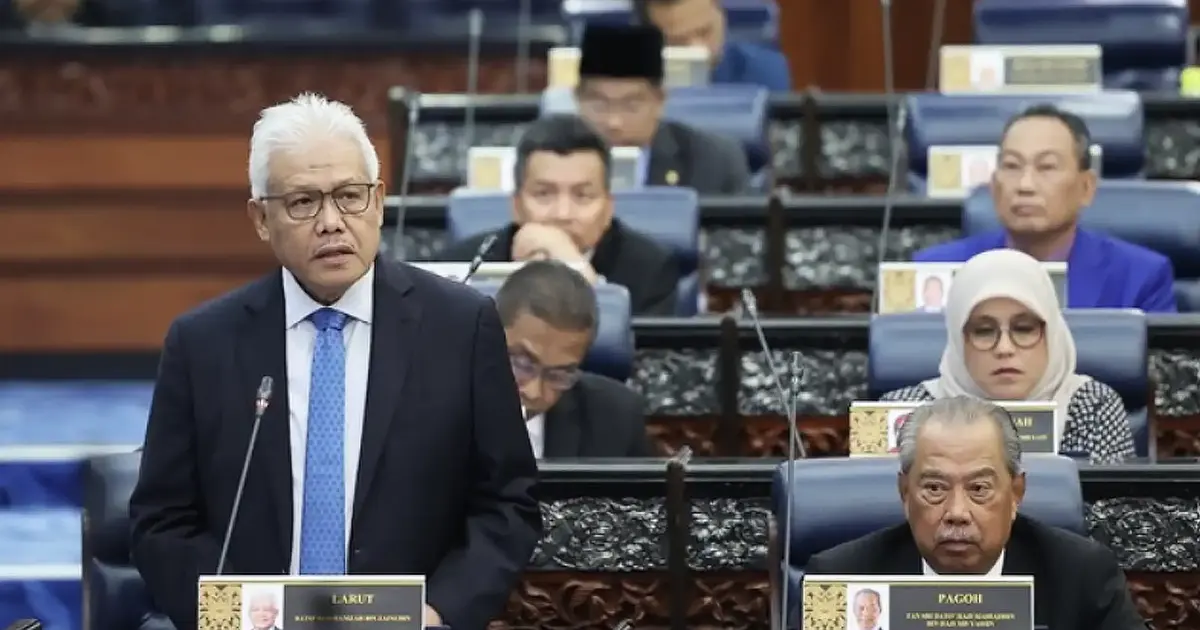
Dewan Rakyat Speaker Johari Abdul has publicly disclosed that Muhyiddin Yassin, the former Prime Minister, made an official request to alter his seating arrangement within the chamber. The speaker's statement marks a significant development in the ongoing parliamentary dynamics, particularly as it relates to the positioning of senior political figures within Malaysia's legislative house. This disclosure comes amid broader shifts in the country's political configuration, with various factions repositioning themselves following recent electoral cycles and coalition adjustments.
The timing of Muhyiddin's seat change request carries considerable weight given his prominent standing as a former head of government and his continued influence within opposition-aligned circles. Such requests, while appearing procedural on the surface, often reflect deeper strategic calculations about visibility, parliamentary strategy, and political messaging. The speaker's willingness to publicly confirm the request suggests transparency in handling administrative matters that could otherwise remain backstage machinations of the legislature.
Parallel to addressing Muhyiddin's seating matter, Speaker Johari Abdul has formally acknowledged receipt of documentation confirming Hamzah Zainudin's position as opposition leader. Hamzah, who represents the Larut constituency, steps into a role of considerable responsibility within Parliament. The opposition leader serves as the principal spokesperson for the government's critics and chairs the shadow cabinet, making this an influential post in Malaysia's parliamentary system.
The formal recognition of Hamzah Zainudin carries implications for how opposition parties will coordinate their legislative agenda and public messaging. As opposition leader, Zainudin will lead questioning of government policies, coordinate opposition voices on matters of national importance, and represent the parliamentary opposition in key procedural and ceremonial functions. His appointment reflects organisational decisions made within the opposition bloc regarding leadership and strategic direction.
These parliamentary developments underscore the fluidity and complexity of Malaysia's current political landscape. The country has witnessed significant shifts in coalition arrangements over recent years, with former alliances dissolving and new configurations emerging. Muhyiddin's own political trajectory has seen him move between various alignments, and his current positioning relative to other parliamentary figures demonstrates the ongoing recalibration occurring within opposition spaces.
The speaker's dual announcements represent the formal machinery of Parliament adapting to reflect the practical realities of the current legislative composition. Seating arrangements within the Dewan Rakyat carry symbolic weight beyond mere physical positioning; they represent how parliamentary business is conducted and how different political camps view their standing within the institution. Changes to such arrangements typically occur when factional alignments shift or when individual legislators seek to distance themselves from particular groupings.
For Malaysian observers tracking parliamentary developments, these moves signal continued repositioning among senior opposition figures. Muhyiddin's request for a seat change may indicate shifting political calculations about his role moving forward, whether he seeks greater independence from certain blocs or wishes to strengthen positioning within others. Similarly, the formal establishment of opposition leadership under Hamzah's name provides clarity about institutional structures and decision-making hierarchies within the parliamentary opposition.
The speaker's role in confirming these arrangements highlights the importance of parliamentary administration in reflecting and facilitating the work of elected representatives. Speaker Johari Abdul has responsibility for managing the chamber's operations, enforcing parliamentary rules, and handling procedural matters that enable the legislature to function effectively. His confirmation of both Muhyiddin's request and Hamzah's leadership position represents the execution of these administrative duties.
From a regional perspective, Malaysia's parliamentary developments merit attention as they reflect broader patterns of political realignment seen across Southeast Asia. Coalition politics, shifting allegiances, and the reorganisation of opposition structures form part of the broader democratic landscape throughout the region. How parties and individual politicians navigate these transitions, and how institutions like the speaker's office manage such changes, offers insights into the functioning of parliamentary democracy in the region.
The practical implications of these parliamentary adjustments will likely unfold gradually as the opposition proceeds with its work under Hamzah Zainudin's leadership and as Muhyiddin's repositioned seating affects parliamentary dynamics. Observers of Malaysian politics will be watching how these administrative changes translate into substantive shifts in how the opposition operates, what legislative priorities it pursues, and how effectively it holds government accountable. The speaker's willingness to make these matters public demonstrates the transparency with which Parliament manages its internal operations, even as the political significance of such moves remains contested among analysts and observers.

