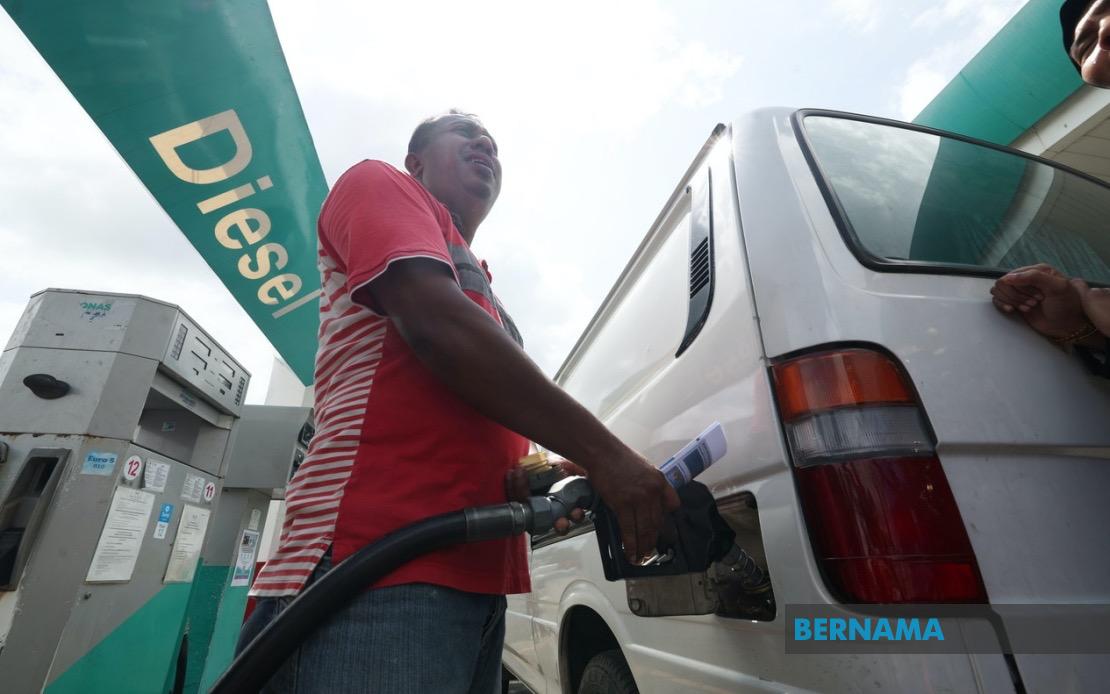
Prime Minister Datuk Seri Anwar Ibrahim has announced that the MADANI Government will lower the price of subsidised diesel to RM2.10 per litre beginning in July 2026. The move represents a significant adjustment to fuel subsidies and signals the government's commitment to a more fiscally sustainable approach to supporting consumers at the pump. The announcement was made during an official ceremony in Bintulu where the Prime Minister oversaw the ceremonial handover of cheques related to the conversion of Bintulu Port from federal to state administration.
The diesel subsidy reduction will operate through a targeted mechanism rather than a blanket subsidy applied across all users. This approach mirrors the structure successfully implemented under the BUDI MADANI RON95 programme, which has been in operation for petrol. Under the new system, eligible Malaysians will be able to access subsidised diesel at the controlled price through verification using their MyKad identification cards. The shift towards targeted subsidies reflects a broader policy direction aimed at ensuring that government support reaches those who genuinely need it while improving the sustainability of public finances.
Finance Minister II Datuk Seri Amir Hamzah Azizan is scheduled to present comprehensive details regarding the implementation of the new diesel pricing structure to media representatives in Kuala Lumpur. His briefing will likely clarify eligibility criteria, the verification process, and any transitional measures for existing diesel consumers. The detailed explanation is expected to address practical questions regarding how the MyKad-based system will function at petrol stations nationwide and what adjustments retailers and consumers should anticipate.
The decision to adopt a targeted subsidy model for diesel reflects international best practices in fuel pricing policy. Many nations have moved away from universal fuel subsidies due to their substantial fiscal burden and regressive nature, as they benefit all consumers regardless of income level. Malaysia's gradual shift towards targeted support, beginning with RON95 petrol through BUDI95 and now extending to diesel, demonstrates a maturing approach to balancing affordability with fiscal responsibility. This methodology allows the government to maintain support for vulnerable populations while reducing overall subsidy expenditure.
For businesses and commercial operators who depend heavily on diesel, the announcement carries important implications. At RM2.10 per litre, the subsidised rate will influence logistics costs, transportation expenses, and operational budgets across manufacturing, agriculture, and services sectors. Companies will need to assess how this pricing affects their cost structures and may need to adjust business planning accordingly. The timing of implementation in July 2026 provides businesses with advance notice to incorporate the new pricing into their forecasts and strategic planning.
The introduction of MyKad-based verification represents a technological approach to subsidy administration that reduces opportunities for abuse or leakage of subsidies to unintended beneficiaries. The system builds on existing digital infrastructure and identity verification mechanisms already embedded in Malaysian society. However, implementation will require coordination between the government, financial institutions, and petrol station operators to ensure smooth rollout. Potential challenges include ensuring all eligible citizens have updated MyKad records and that verification systems function reliably across all retail outlets.
Regional energy markets will likely watch Malaysia's subsidy reform with interest, as several Southeast Asian nations grapple with similar questions about fuel pricing and government support mechanisms. The approach balances social concerns with economic pragmatism in ways that could inform policy discussions across the region. As global oil prices remain volatile and governments face fiscal pressures, Malaysia's experience with targeted diesel subsidies may offer lessons for neighbouring countries considering their own subsidy reforms.
The diesel price of RM2.10 per litre represents a specific policy choice regarding the balance between consumer affordability and government expenditure. Unlike the previous universal subsidy system, this targeted approach requires administrative infrastructure to verify eligibility and distribute benefits. The government has essentially determined that this investment in verification systems and administrative overhead is justified by the savings achieved through limiting subsidy access to intended recipients. This represents a more sophisticated understanding of subsidy policy than simple price controls.
Consumer awareness and education will be critical to the successful rollout of the new diesel subsidy scheme. Many Malaysians accustomed to accessing subsidised fuel at any petrol station will need to understand that future diesel purchases may require verification of eligibility through MyKad. Petrol station operators will require training on the verification procedures and any technical systems implemented to authenticate eligible purchasers. Clear communication from government agencies about the transition timeline and specific implementation details will help smooth the adjustment period.
Looking ahead, the RM2.10 diesel pricing may establish a baseline that the government could adjust based on international crude oil prices and domestic fiscal conditions. Unlike the BUDI95 petrol scheme which has remained relatively stable, diesel pricing could prove more dynamic given its importance to commercial and industrial users. The announcement provides a clear starting point, but the actual trajectory of diesel prices in subsequent years will depend on how global markets evolve and how the government assesses fiscal sustainability.
The broader context of this subsidy reform reflects the MADANI Government's stated commitment to fiscal consolidation and more efficient resource allocation. By implementing targeted subsidies rather than universal support, the administration can direct limited government resources towards policy objectives with demonstrable social benefit. This approach also aligns with Malaysia's medium-term fiscal framework and debt management objectives, as reducing subsidy expenditure creates space for investment in other priority areas such as infrastructure, education, and healthcare.

