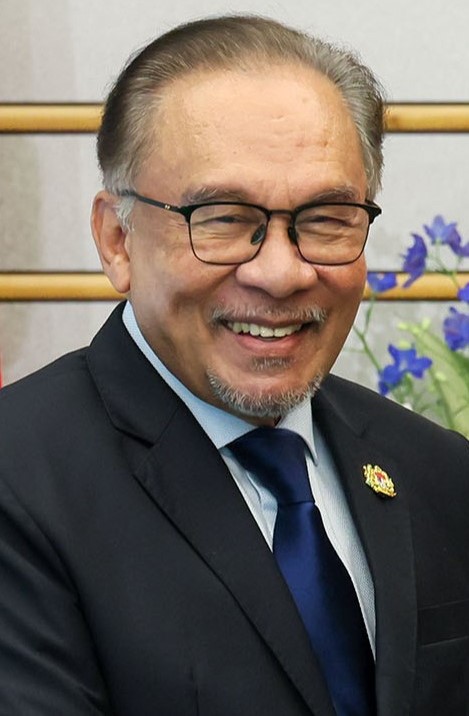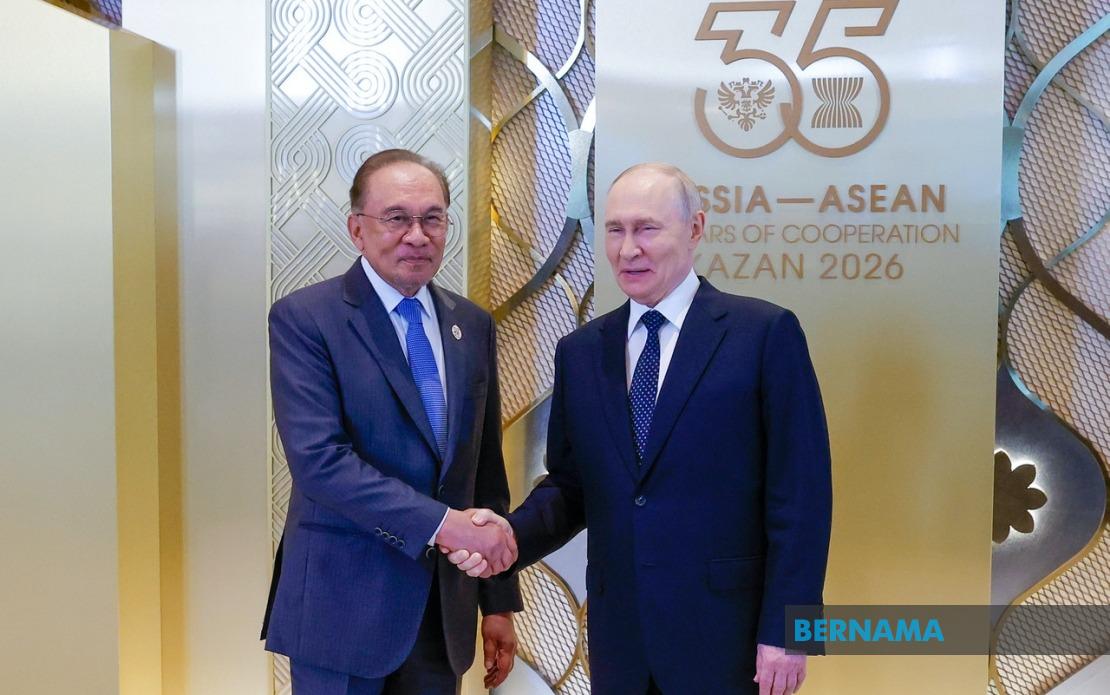
Prime Minister Datuk Seri Anwar Ibrahim has underscored the critical importance of sustained diplomatic engagement in addressing the complex geopolitical landscape that confronts the international community today. Speaking from Kazan following the ASEAN-Russia Commemorative Summit, Anwar emphasised that structured forums for dialogue between regional blocs and major powers serve as essential mechanisms for navigating persistent global uncertainties and challenges that no single nation can address in isolation.
The Prime Minister's remarks came after he attended a state gala dinner hosted by President Vladimir Putin as part of the bilateral and multilateral programme scheduled for the June 17 to 18 summit. Anwar, who is also the Finance Minister, travelled to Tatarstan's capital specifically to participate in what Malaysian officials view as a significant moment for cementing ASEAN's strategic relationships beyond its immediate regional sphere.
According to Anwar, platforms such as the ASEAN-Russia Commemorative Summit perform multiple critical functions in contemporary international relations. Beyond their ceremonial aspects, these gatherings create substantive opportunities for leaders to establish personal rapport, clarify respective national interests, and identify convergence points where cooperation can yield tangible benefits. The informal atmospherics of such events—including state dinners and cultural exchanges—complement the formal negotiation sessions and facilitate candid discussions that might not occur in strictly regimented bilateral settings.
Trust-building remains paramount in Anwar's diplomatic calculus, particularly given the persistent tensions and misunderstandings that characterise contemporary geopolitical competition. He indicated that the summit served as a venue where participating nations could move beyond transactional interactions and develop deeper institutional relationships grounded in genuine understanding of each other's perspectives, constraints, and aspirations. This emphasis on trust reflects Malaysia's traditional foreign policy orientation, which prioritises dialogue and consensus-building over confrontational approaches.
The exploration of cooperation areas between ASEAN and Russia represents another dimension of value that Anwar highlighted. Southeast Asia and Russia occupy complementary positions in global trade, energy, technology, and security domains, creating multiple pathways for mutually advantageous partnerships. For Malaysia specifically, enhanced ASEAN-Russia cooperation could facilitate access to Russian expertise and markets while simultaneously offering Russian entities opportunities within Southeast Asia's dynamic and growing economies.
Anwar stressed that cultural and historical dimensions of engagement cannot be overlooked in building sustainable international relationships. His reference to Russia's rich cultural heritage, historical significance, and national achievements reflected the recognition that diplomatic ties must rest upon foundations of mutual respect and appreciation for each nation's contributions to civilisation. This approach aligns with Malaysia's philosophy of seeking commonalities while respecting differences, particularly relevant in contexts involving nations with vastly different political systems and strategic cultures.
The timing of this summit carries particular significance for Malaysia and ASEAN. As Southeast Asian nations navigate intensifying great power competition in their region, maintaining substantive relationships with multiple major powers becomes increasingly crucial for preserving strategic autonomy. Russia's renewed interest in Southeast Asia through such commemorative summits signals Moscow's determination to maintain relevance in Asian affairs despite facing Western sanctions and geopolitical isolation.
For Malaysia, Anwar's attendance and his characterisation of the summit's importance reflect the government's commitment to balanced foreign policy. Rather than aligning exclusively with any particular bloc, Malaysia continues to engage pragmatically with all major powers, extracting maximum benefit from multiple partnerships while attempting to insulate the region from great power rivalries. This stance requires constant diplomatic calibration and the kind of engagement platforms that Anwar emphasised.
The Finance Minister's dual portfolio underscores Malaysia's integrated approach to foreign relations. Economic partnerships cannot be divorced from political and strategic considerations, and Anwar's presence at both economic forums and political summits reflects Malaysia's understanding that durable international relationships require multifaceted engagement across all sectors.
Looking forward, Anwar's emphasis on engagement platforms suggests that Malaysia will continue investing in multilateral frameworks and bilateral relationships that enhance the country's strategic position. In an era of increasing unpredictability, such forums provide mechanisms for reducing miscalculation, building coalitions around shared interests, and managing differences without allowing them to escalate into confrontation.
The ASEAN-Russia summit exemplifies the type of structured engagement that Anwar advocates—bringing together representatives of a major regional organisation with a significant global power to discuss matters of mutual concern. These interactions, whether occurring in Kazan or elsewhere, contribute to a global order characterised more by dialogue than by unilateral assertion of power.