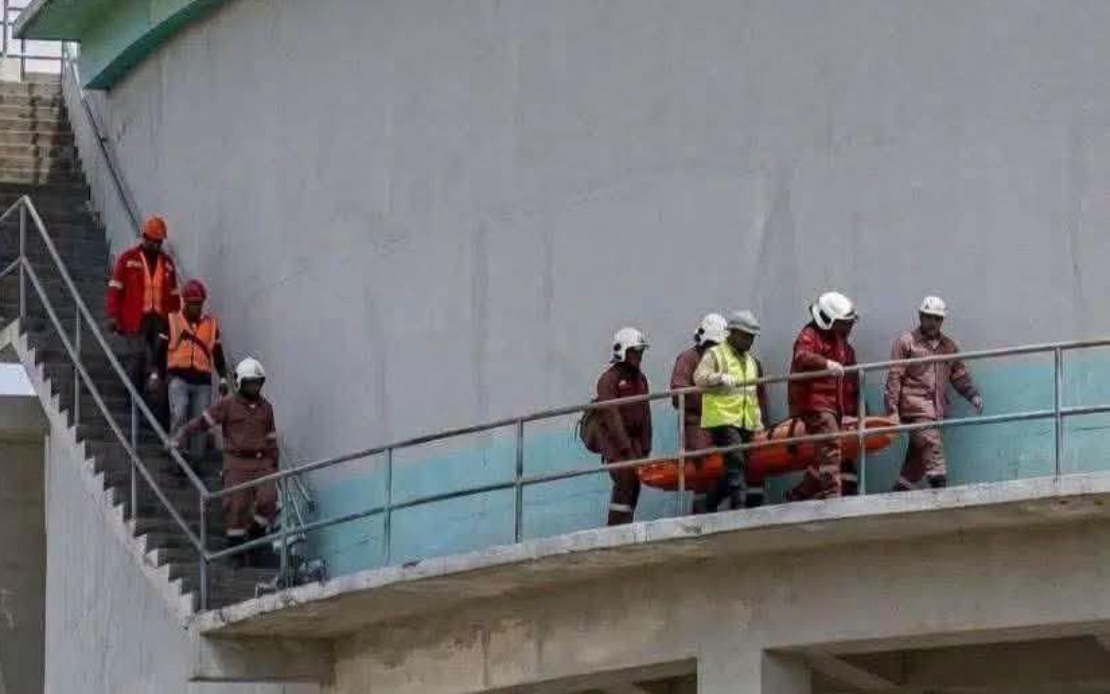
The Department of Occupational Safety and Health has launched a formal investigation into a workplace fatality that occurred during water tank cleaning operations at Menara Saujana Perdana 1 in Sungai Buloh, Selangor, on June 16. The victim, identified as an industrial trainee, died while engaged in confined space work—a category of employment activity recognised globally as presenting elevated risk of serious injury or death. DOSH director-general Hazlina Yon confirmed that personnel from the Selangor branch conducted an immediate site inspection and implemented protective measures, including issuing a notice that prevents any interference with the accident scene pending completion of the inquiry.
Investigators are gathering testimony from witnesses and collecting evidence to establish the precise circumstances surrounding the incident. The examination will determine whether any party contravened provisions of the Occupational Safety and Health Act 1994, specifically Sections 15, 17 and 18, which establish the legal duties owed by employers, independent contractors, and other responsible entities toward safeguarding personnel and third parties potentially exposed to workplace hazards. Should violations be substantiated, enforcement measures will be initiated against the accountable parties. This investigation reflects the regulatory framework's emphasis on preventing fatalities in high-risk work environments, particularly those involving restricted access locations where atmospheric hazards, structural collapse, or entrapment pose significant dangers.
Hazlina used the occasion to reinforce mandatory compliance expectations across Malaysia's industrial sectors. Confined space operations demand rigorous procedural adherence, comprehensive risk assessment, and implementation of control mechanisms before any worker enters such environments. Employers must secure appropriate permits specific to the intended work activity, a requirement that serves as a documented confirmation that hazards have been identified, preventive measures activated, and supervision arrangements established. The reminder underscores a persistent gap between regulatory obligations and actual workplace practice, suggesting that incidents of this nature continue to occur partly due to inadequate adherence to established safety standards or shortcuts taken to expedite completion of contracted tasks.
The legal framework imposes affirmative obligations on employers to conduct thorough hazard identification and risk evaluation protocols prior to commencing work, especially activities classified as high-risk. This prospective analysis must inform the selection of appropriate safeguards, whether administrative controls such as restricting access and limiting duration of exposure, engineering solutions like ventilation systems and retrieval equipment, or personal protective equipment. Failure to systematically address these elements creates conditions where workers, particularly those early in their careers, may lack awareness of specific dangers or possess insufficient experience to recognise warning signs. Industrial trainees represent a particularly vulnerable segment of the workforce, as they simultaneously face the learning curve of new roles while potentially encountering sophisticated hazards for the first time.
The regulatory obligation extends to ensuring that all personnel, including trainees and newly hired staff, receive appropriate occupational safety and health instruction tailored to their assigned duties. This training must encompass both general principles and task-specific procedures, with particular emphasis on the distinctive risks inherent to confined space operations. Competent supervision—provided by individuals with requisite knowledge, training, and authority—must be present throughout the work period to monitor compliance, identify emerging hazards, and intervene when unsafe practices are observed. The combination of structured training, clear procedural guidance, and attentive supervision creates multiple barriers against the sequence of events that typically culminates in serious incidents or fatalities.
Hazlina's statement specifically emphasised employer responsibility for cultivating workplace cultures where safety receives genuine priority rather than serving as a rhetorical commitment. This requires allocating adequate financial and human resources to safety infrastructure, selecting competent supervisory personnel, and maintaining accountability systems that reward safe performance and discourage dangerous shortcuts. The extension of these obligations to encompass vendors and contractors acknowledges the reality that Malaysian worksites increasingly involve multi-party arrangements where principal contractors may attempt to deflect safety responsibilities onto subcontractors, creating ambiguity regarding who bears ultimate accountability for worker protection. Regulatory clarity on this point aims to prevent such displacement of responsibility.
The water tank cleaning sector, while appearing routine or unglamorous compared to construction or manufacturing, carries substantial hazard potential that is sometimes underestimated. Confined spaces such as tanks may contain toxic residues, oxygen-depleted atmospheres, or flammable vapours that accumulate over time. Workers can lose consciousness rapidly upon entry without warning, and rescue operations face significant difficulty given the restricted geometry of access and egress points. The incident at Menara Saujana Perdana 1 represents another data point in a concerning pattern of confined space fatalities occurring across Southeast Asia, many of which share common causative factors including inadequate atmospheric testing, insufficient ventilation, lack of rescue equipment readiness, and insufficient worker training or awareness.
For Malaysian industrial operators and facility managers, the investigation carries operational implications extending beyond the immediate regulatory consequences. Organisations maintaining water storage systems, cooling towers, treatment facilities, or similar confined space assets require comprehensive safety management systems that address not merely compliance with written rules but genuine prevention of incidents through systematic hazard control. This necessitates periodic audits of contractor qualifications, refresher training for regular workers, and maintenance of rescue capability including trained personnel and appropriate extraction equipment. Insurance implications may also arise, as providers increasingly scrutinise whether organisations implemented reasonable precautions, potentially affecting coverage or premium assessments.
The incident also highlights capacity challenges within Malaysia's occupational safety and health regulatory apparatus. While DOSH has established clear standards and procedures, the geographic dispersal of industrial activities across the nation, coupled with the technical expertise required to evaluate confined space safety arrangements, creates resource constraints affecting inspection frequency and investigation quality. Selangor, as the industrialised heartland surrounding Kuala Lumpur, generates substantial investigative caseloads, potentially limiting proactive inspection capacity. This reality places greater emphasis on industry self-regulation and employer initiative in maintaining safety standards, as regulatory inspection cannot occur with sufficient frequency to prevent all violations through external oversight alone.
Moving forward, the DOSH investigation findings will likely be disseminated across relevant industry associations and published in regulatory guidance, serving as a learning resource for other organisations conducting similar activities. Such incident investigations, when communicated transparently, provide valuable information that allows other employers to identify potential weaknesses in their own safety systems before incidents occur. The deaths that initiate such investigations carry human costs measured in lost lives, disrupted families, and diminished communities, but they simultaneously create opportunities for systemic improvement when lessons are effectively extracted and widely adopted. For Malaysia's workers engaged in high-risk activities, collective safety depends substantially on whether individual organisations and the broader industrial sector embrace these lessons or permit similar preventable incidents to recur.

