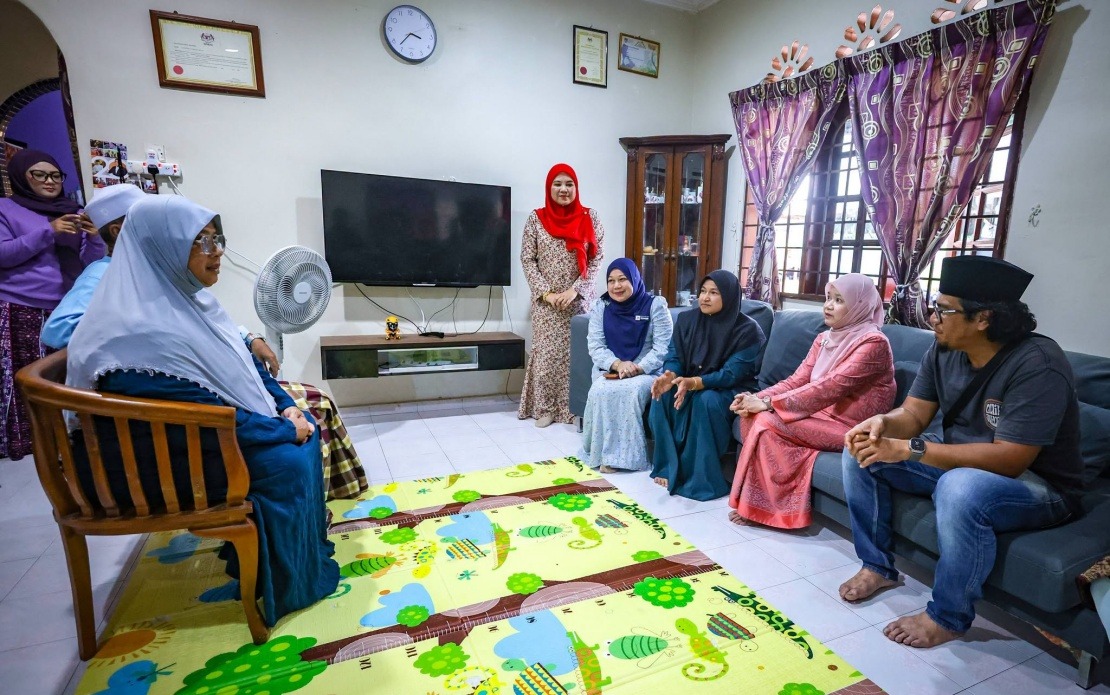
Education Minister Fadhlina Sidek travelled to Melaka on Wednesday to convey her condolences to the family of Muhammad Raiyan Nufael, a Form Two student whose death has sparked fresh concerns about student safety during school sports activities. The 14-year-old collapsed during a rugby training session at a school in Telok Mas and was pronounced dead that evening, prompting the minister's personal visit as an expression of the Ministry of Education's sympathy to the bereaved family.
In a statement shared on social media, Sidek emphasised the gravity of the tragedy while extending the government's formal support to the grieving household. She called for divine mercy upon the deceased and prayed that the family would find strength and resolve to endure this devastating loss. The gesture underscores the ministry's recognition that such incidents carry profound implications not only for the immediate family but for the broader school community and parents nationwide who entrust their children to educational institutions.
The circumstances surrounding the student's death highlight potential vulnerabilities in how schools manage physical exertion and medical oversight during sporting activities. According to initial reports, Muhammad Raiyan had only participated in approximately 15 minutes of the rugby session before difficulties emerged. The critical moment occurred when he began experiencing respiratory distress while standing during a coach's briefing that followed a scheduled training break. This timeline raises questions about conditioning levels, heat management, and the availability of trained medical personnel at the training venue.
The incident occurred in the afternoon, with the student's collapse reported around 6 pm on Wednesday. The rapid progression from initial training to medical emergency suggests the possibility of an acute condition that may have been exacerbated by physical exertion, environmental factors, or pre-existing health vulnerabilities that went undetected. Schools across Malaysia often conduct pre-participation medical screening for contact sports like rugby, yet gaps in such protocols remain a concern across the education system.
This tragedy arrives at a time when Malaysian schools are increasingly promoting sporting participation as part of their holistic development framework. Rugby, despite its popularity in select schools, carries inherent risks of injury and physical strain that require comprehensive safety measures. Training intensity, player conditioning, hydration protocols, and immediate access to emergency medical services form a critical safety net that institutions must maintain rigorously.
The Telok Mas incident will likely prompt the Ministry of Education to review current guidelines governing contact sports training sessions, particularly regarding maximum duration without breaks, heat stress management during tropical climate training, and mandatory presence of qualified medical personnel or certified first aid responders. Schools may face increased pressure to implement more stringent pre-training health assessments and to establish clear protocols for monitoring students who display signs of physical distress.
For parents in Malaysia, such incidents inevitably trigger anxiety about whether their children's schools maintain adequate safeguards. The tragic loss of a young life forces educational administrators to confront difficult questions about resource allocation, trainer certification, and the balance between encouraging athletic development and protecting student welfare. These considerations extend beyond individual schools to encompass systemic policies that govern how youth sports are conducted nationwide.
The visit by Education Minister Fadhlina Sidek carries symbolic weight in signalling that the government takes such incidents seriously and recognises the human cost of inadequate safety measures. Her presence at the family home demonstrates official acknowledgement of responsibility and institutional compassion, though many parents will await concrete announcements regarding policy reforms and enhanced safety standards.
Investigations into the precise medical cause of Muhammad Raiyan's collapse will be essential in determining whether the incident was attributable to heat stroke, cardiac arrhythmia, asthma, or another condition. Autopsy results and medical findings may reveal whether warning signs were missed or whether the tragedy resulted from an unpredictable medical event. This information will be crucial in shaping any subsequent recommendations for schools conducting similar activities.
Moving forward, the Ministry of Education and school administrators must consider whether current supervision ratios during training sessions are adequate, whether coaches receive training in recognising medical emergencies, and whether schools have established partnerships with nearby medical facilities for rapid response situations. The integration of automated external defibrillators at sports facilities and the implementation of athlete monitoring systems in high-intensity training programmes may represent necessary additions to existing school infrastructure.
The loss of Muhammad Raiyan Nufael represents not merely a statistical tragedy but a profound reminder that young lives remain fragile and that institutional duty of care demands constant vigilance. As schools resume their sporting programmes, this incident should catalyse honest examination of whether existing safety protocols adequately protect participants or whether complacency has allowed preventable risks to persist. The Ministry of Education's response in the coming weeks will indicate whether this tragedy becomes an impetus for meaningful systemic change or merely a tragic anomaly.

