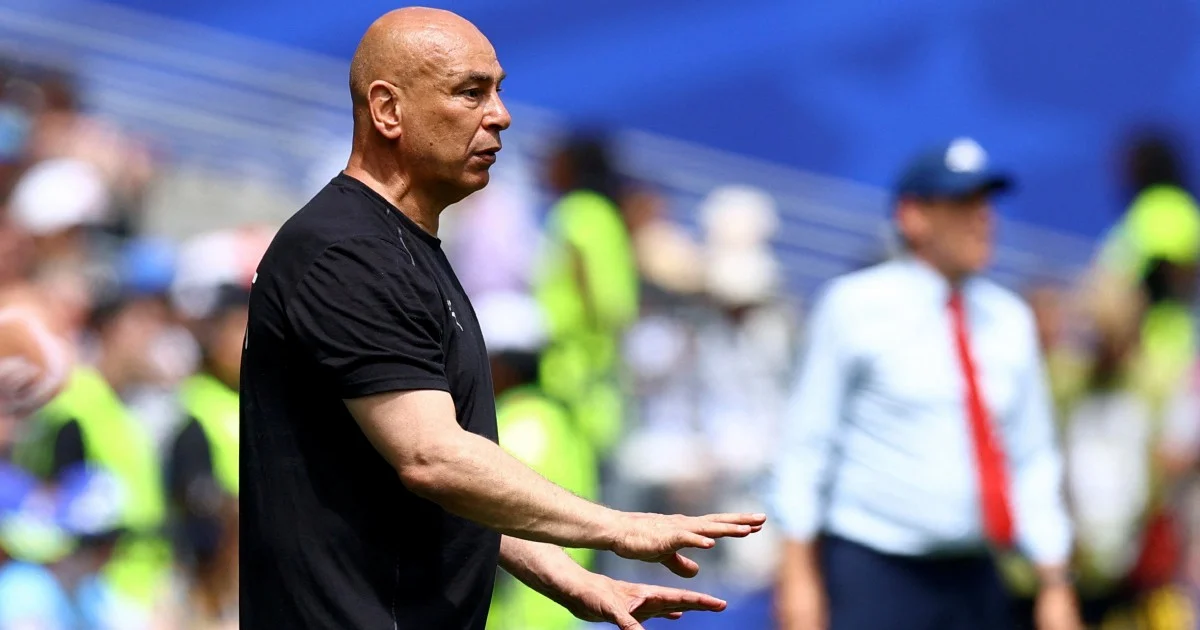
Egypt's preparations for their World Cup fixture against New Zealand have been marked by persistent speculation regarding the squad's internal dynamics, particularly surrounding the role and relationship of Mohamed Salah with the coaching staff. However, coach Hossam Hassan has moved decisively to quash these rumours, reassuring stakeholders that the team remains focused and cohesive ahead of the Group G clash scheduled for Sunday at Vancouver's BC Place venue.
The emergence of reports suggesting friction between Salah and the management structure has inevitably drawn scrutiny from Egyptian football followers and international observers alike. Such narratives can prove particularly damaging during tournament football, when psychological momentum and collective confidence become critical determinants of success. By publicly refuting these claims, Hassan appears intent on controlling the narrative and preventing outside noise from infiltrating team preparations during this crucial phase of the competition.
For Egyptian football enthusiasts, the squad's internal stability carries enormous significance given the nation's enduring World Cup aspirations. Egypt has never won the FIFA World Cup despite numerous attempts to emerge as a dominant force on the global stage. This represents a substantial motivational factor for both the management and playing contingent, who see the tournament as an opportunity to achieve something historically elusive for their nation.
Salah's centrality to Egypt's attacking architecture cannot be overstated. The Liverpool midfielder represents the country's most accomplished and globally recognized talent, and his influence extends far beyond individual match performances. His presence elevates the squad's collective morale and attracts considerable media attention to Egyptian football on the international stage. Any perceived discord involving such a talismanic figure naturally generates concern among supporters and analysts regarding the team's prospects.
The confrontation with New Zealand carries profound implications for Egypt's tournament trajectory. As a Group G contest, the match represents a pivotal moment that will substantially influence the team's pathway toward advancing from the group phase. The manner in which Hassan's squad performs against the Oceania representative will provide genuine insight into both the strength of their preparation and the unity of their squad environment.
Hassam's emphatic denial of internal troubles suggests a managerial determination to present a unified front to external audiences. This represents standard practice among coaches seeking to maintain positive public perception during high-stakes competitions. By insisting that no substantive difficulties exist within the dressing room, Hassan effectively reinforces his authority while simultaneously protecting player morale from potential erosion caused by persistent media interrogation.
For Malaysian and Southeast Asian football observers, Egypt's World Cup campaign holds particular resonance given the region's passionate engagement with international football. The tournament draws substantial viewership throughout Southeast Asia, and teams featuring globally recognized stars like Salah command considerable audience interest. Egypt's success or failure in this competition will influence broader perceptions of African football's competitive standing relative to other continental confederations.
The psychological dimension of squad cohesion during World Cup football cannot be dismissed as peripheral to on-field performance. History demonstrates repeatedly that teams afflicted by internal divisions struggle to translate individual talent into collective effectiveness. Conversely, squads characterized by genuine unity and mutual respect frequently exceed objective predictions regarding their capabilities. Hassan's insistence on harmony therefore carries practical implications beyond mere public relations considerations.
BC Place, which will host the New Zealand encounter, represents a venue familiar to many Canadian-based observers of international football. The stadium's configuration and playing surface will present specific challenges that Hassan's technical staff has undoubtedly analyzed extensively. The psychological advantage of a crowd configuration may also factor into the match dynamics, particularly given New Zealand's status as an Oceania representative facing a much-heralded African football nation.
The trajectory of Egypt's World Cup campaign will ultimately be determined by their performance across multiple fixtures rather than by pregame declarations regarding squad unity. However, Hassan's proactive management of expectations and narrative control demonstrates sophisticated understanding of the psychological pressures inherent in tournament football. His denial of Salah discord, whether addressing real tensions or merely preempting speculation, reflects contemporary coaching practice of managing external perception during competitions.
Moving forward, observers will monitor Egypt's actual performance against New Zealand for genuine evidence regarding squad cohesion. Displays of coordinated attacking play, defensive solidity, and collective effort will provide far more reliable indicators of internal harmony than coaching staff pronouncements. The eventual outcome of their Group G campaign will definitively establish whether Hassan's assertions regarding squad unity reflected genuine internal harmony or merely optimistic public positioning during a critical tournament phase.

