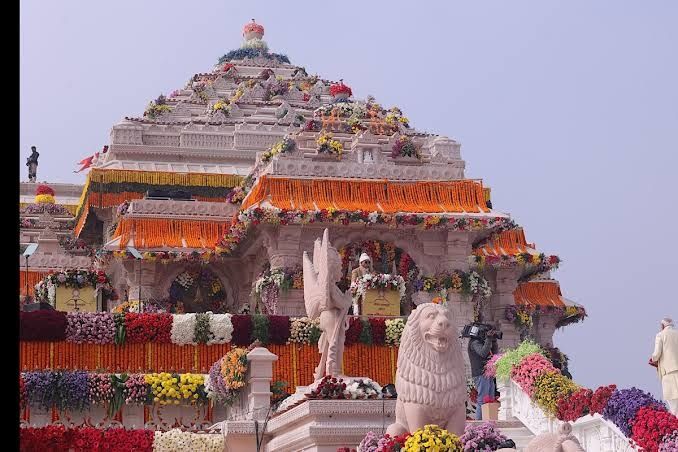
Indian authorities have taken action against eight individuals accused of stealing and misappropriating offerings at the Ram Mandir, a prominent temple in Uttar Pradesh that has become emblematic of Prime Minister Narendra Modi's Hindu-nationalist political agenda. Police filed criminal charges on June 25, marking a significant development in a case that has drawn scrutiny to one of India's most symbolically important religious sites. The arrests include several temple employees whose duties centred on managing the financial contributions and valuables left by worshippers.
The Ram Mandir occupies contested historical ground in Ayodhya, constructed on land where the Babri Mosque stood for approximately four centuries until its demolition by Hindu activists in 1992. Modi himself presided over the temple's ceremonial inauguration in early 2024, transforming the opening into a major political event. The inauguration represented a symbolic culmination of the Bharatiya Janata Party's long-standing campaign to reclaim the site, a cause that fundamentally shaped contemporary Indian politics and propelled Modi's rise to power.
The arrested individuals face serious legal charges including criminal breach of trust, theft, criminal conspiracy, and corruption, according to official statements released by the Uttar Pradesh government. Most of those in custody worked directly with cash, gold, silver, and other valuables donated by pilgrims visiting the temple. The Special Investigation Team established by Chief Minister Yogi Adityanath's administration has been leading the inquiry, with authorities vowing to pursue accountability regardless of the accused's position or status.
While government officials have remained circumspect about the total value of allegedly misappropriated funds, opposition parties and media investigations suggest the theft may exceed US$20 million. This figure, if accurate, would represent a substantial portion of the continuous stream of donations flowing into one of Hinduism's most sacred sites. The government has not issued an official statement confirming the alleged scale of embezzlement, leaving considerable uncertainty about the investigation's true scope and the amount devotees may have been defrauded of.
The revelations have triggered significant distress among the temple's donor community and devotees. Viti Saxena, a 44-year-old homemaker who contributed to the construction fund, expressed deep disappointment and questioned whether her donation actually reached the temple's coffers. She articulated widespread concern among Hindu believers whose faith in the institution has been shaken by allegations that those managing sacred contributions may have diverted them for personal gain. The scandal has transformed what was intended to be a triumph of religious faith and cultural reclamation into a source of embarrassment and loss of confidence.
The Ram Mandir's construction itself represents an extraordinary financial achievement, with estimates placing the total cost at approximately US$240 million. Crucially, every dollar spent on building the temple came exclusively from public donations rather than state funds or corporate sponsorship. This reliance on voluntary contributions from millions of devotees across India—and increasingly from the diaspora—made the promise of transparent financial stewardship fundamental to the project's moral legitimacy. The misappropriation allegations therefore strike at the heart of the trust relationship between the temple management and its supporters.
The historical context surrounding the temple adds significant weight to the current controversy. Hindu tradition holds that the deity Ram was born in Ayodhya over seven millennia ago, though modern archaeology has not definitively established this claim. The Babri Mosque, destroyed in 1992, was constructed in the sixteenth century by Mughal Emperor Babur according to Muslim historical records. The mosque's demolition became a pivotal moment in Indian politics, galvanizing Hindu nationalist sentiment and establishing the cause as a central rallying point for the BJP's political mobilization.
The BJP's instrumental role in championing the temple's reconstruction proved transformative for Indian electoral politics. What began as a grassroots Hindu nationalist campaign eventually facilitated the party's ascent from opposition status to becoming India's dominant political force, displacing the Indian National Congress, which had governed the nation with minimal interruption since independence from Britain in 1947. Modi's personal leadership in the temple's inauguration ceremony was therefore laden with historical significance and political meaning, making the subsequent fraud allegations particularly damaging to the government's credibility and the Hindu nationalist project's moral standing.
For Southeast Asian observers, particularly those in religiously diverse societies, the Ram Mandir theft case carries broader implications about institutional accountability and financial governance within faith-based organizations. Malaysia's own experience with managing donations to religious institutions and the documented concerns about transparency in charitable giving demonstrate the universal nature of these challenges. The Indian case underscores the importance of robust financial controls, independent auditing, and clear accountability mechanisms that transcend national borders and religious traditions.
Uttar Pradesh Chief Minister Yogi Adityanath's statement that no guilty person will escape justice signals an attempt at damage control, though skeptics note the political sensitivity of prosecuting cases affecting a flagship BJP initiative. The investigation's credibility will depend on whether prosecutions proceed impartially and whether the government demonstrates genuine commitment to recovering misappropriated funds. The accused individuals will face trial, but the real challenge for the Ram Mandir's management will be rebuilding donor confidence and implementing safeguards that prevent future breaches of trust.
The scandal arrives at a delicate moment for Hindu nationalism's political project in India. While the BJP remains electorally dominant, recent setbacks in state elections and rising economic discontent have diminished some of the party's invincibility perception. The Ram Mandir controversy provides opposition forces with ammunition to question whether the government prioritizes symbolic victories over substantive governance and institutional integrity. For millions of devotees who contributed their resources in good faith, the allegations represent a profound betrayal of sacred trust.

