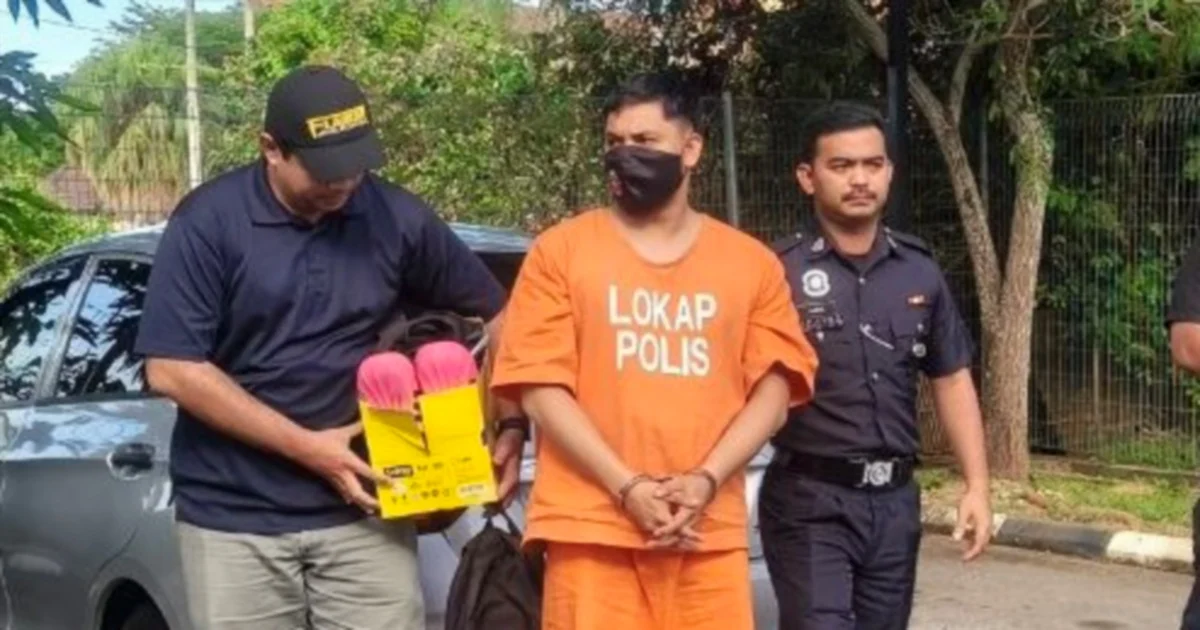
A former information technology engineer faced criminal sanctions in Besut today after admitting to fraudulently using other people's identity documents in connection with the Budi95 subsidy scheme. The magistrate's court imposed a fine of RM18,000, with the alternative of serving 18 months in prison should he fail to pay the penalty. The case marks another enforcement action under Malaysia's subsidy fraud investigations, which have intensified in recent years as authorities work to protect government assistance programmes from exploitation.
The defendant pleaded guilty to three separate counts of misusing the identity cards of others, indicating a pattern of deliberate deception rather than an isolated incident. Such convictions underscore the vulnerability of identity-based subsidies to systematic abuse, particularly when perpetrators have technical expertise that enables them to navigate application systems. The Budi95 scheme, which targets specific demographic groups, relies heavily on proper identity verification to ensure funds reach legitimate beneficiaries. When individuals with IT knowledge exploit such mechanisms, they compromise not only programme integrity but also divert limited resources from those genuinely entitled to support.
Terengganu has experienced several high-profile fraud cases in recent years, reflecting both the prevalence of such offences and the improved detection capacity of state enforcement agencies. The Besut district, located in the northern part of the state, has seen its share of subsidy-related investigations. This latest conviction demonstrates that authorities are actively pursuing leads and building cases against those who manipulate government assistance programmes. The fact that a technically-skilled individual was caught suggests that even sophisticated fraudsters are not immune to investigation once their activities are flagged.
The use of multiple identity cards—evidenced by the three counts—reveals how perpetrators attempt to maximize their take from subsidy schemes by creating a pattern of claims across different applications. Each fraudulent claim represents a deliberate decision to misappropriate public funds, and the severity of the penalty reflects judicial concern about protecting the integrity of welfare systems. For courts, sentencing in such cases must balance punishment with deterrence, signalling to potential offenders that subsidy fraud carries real consequences. The RM18,000 fine is substantial relative to typical Malaysian individual incomes, and the custodial alternative ensures compliance for defendants without immediate financial means.
From a regional perspective, Malaysia's approach to subsidy fraud enforcement aligns with broader Southeast Asian efforts to strengthen financial accountability and prevent welfare programme abuse. As governments across the region expand social safety nets to address poverty and economic inequality, the risk of fraudulent claims simultaneously increases. Countries like Indonesia, the Philippines, and Thailand have similarly faced challenges with identity fraud in their own assistance schemes, making Malaysia's pursuit of such cases relevant to neighbouring jurisdictions. Sharing enforcement methodologies and investigative techniques with ASEAN partners strengthens the entire region's capacity to combat transnational welfare fraud.
The Budi95 scheme itself has become a focal point for oversight following several previous fraud cases. Launched to provide targeted support, the programme depends on accurate beneficiary identification and verification. When fraud is detected and prosecuted, it sends an important message that authorities take their fiduciary responsibility seriously. However, each case also reveals potential vulnerabilities in application and verification procedures. Experts have increasingly recommended biometric authentication systems and real-time cross-referencing with national identity databases to reduce opportunities for identity misuse. Malaysia's development of such safeguards may take time, but cases like this one justify investment in stronger technological controls.
The defendant's background as an IT engineer adds a layer of concern to fraud prosecution efforts. Technical professionals possess the knowledge to exploit system weaknesses that ordinary citizens might not recognize or be able to access. Their involvement in subsidy fraud often indicates either deliberate targeting of government programmes they know how to circumvent, or willingness to use professional skills for personal financial gain. This category of offender presents particular challenges for investigators, as they may attempt to cover their digital trails or exploit loopholes in oversight mechanisms. Successful prosecution of such individuals demonstrates that technical sophistication does not provide immunity from criminal accountability.
The implications for other potential fraudsters are significant. A conviction resulting in financial penalties and the possibility of imprisonment serves as a clear warning that subsidy abuse will be investigated and prosecuted. In Malaysia's legal system, where defaults to custodial sentences remain enforceable, many defendants will prioritize paying fines rather than facing jail time. This creates an incentive structure that encourages compliance whilst maintaining proportionality in sentencing. For those already engaged in subsidy fraud, the risk calculation shifts once high-profile cases reach conviction stage and receive media attention.
Looking forward, the Besut case highlights the ongoing need for public agencies administering Budi95 and similar programmes to remain vigilant about fraud detection. Implementing regular audits, cross-checking beneficiary information against other government databases, and training staff to identify red flags can significantly reduce opportunities for misuse. Additionally, public awareness campaigns about subsidy fraud consequences may deter potential offenders, particularly in communities where such schemes are widely accessed. The balance between accessibility—ensuring eligible citizens can easily claim benefits—and security—preventing fraudulent claims—remains a central challenge for programme administrators.
Courts will continue to encounter subsidy fraud cases as investigations proceed across various government assistance programmes. Each prosecution contributes to a growing body of case law that helps establish sentencing guidelines and demonstrates judicial resolve against welfare fraud. For Malaysian society, protecting the integrity of subsidy schemes ensures that limited public resources are deployed effectively and reach those most in need. The RM18,000 fine imposed today represents not merely punishment for one individual, but a reaffirmation of the state's commitment to deterring systematic abuse of programmes designed to support vulnerable populations. As technology-enabled crime evolves, so too must enforcement responses, requiring ongoing collaboration between police, prosecutors, judges, and programme administrators.

