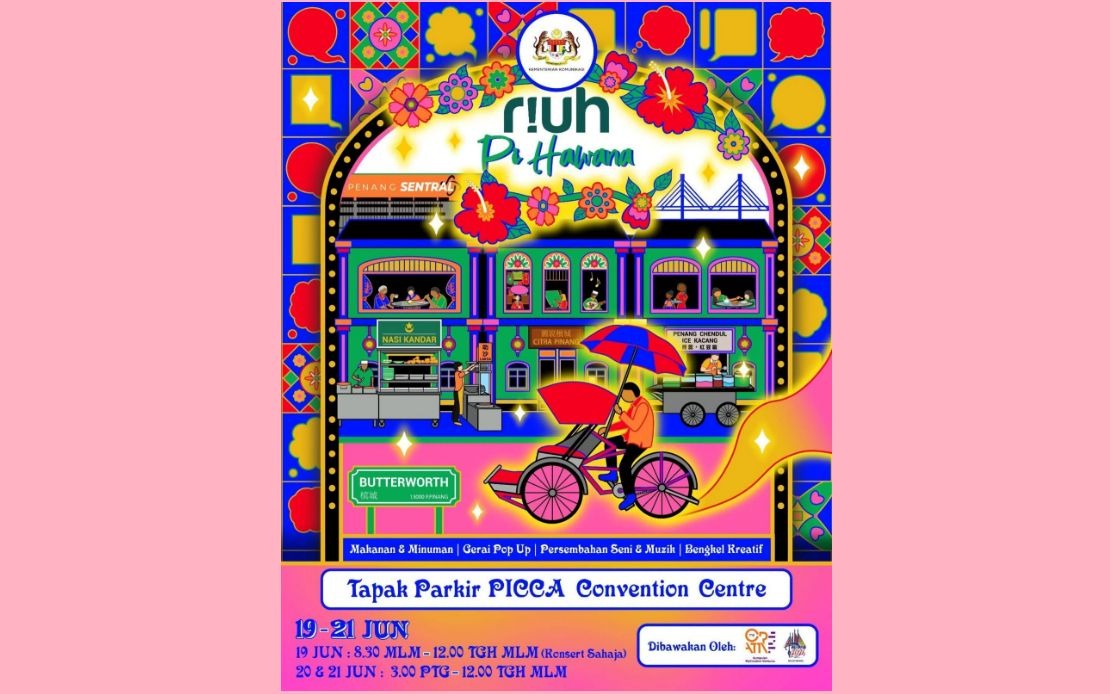
Penang is gearing up for a significant cultural event this June when the RIUH Pi HAWANA Carnival opens its gates at the PICCA Convention Centre Parking Lot at Butterworth Arena, uniting three of Malaysia's most recognised rock bands for a celebration that blends nostalgia with contemporary entertainment. Organised by MyCreative Ventures in partnership with the National Journalists' Day festivities, the three-day extravaganza running from June 19 to 21 positions itself as more than a music festival, promising instead a multifaceted community gathering that reflects the breadth of Malaysia's creative industries and cultural heritage.
The carnival's carefully curated schedule reflects organisers' intentions to maximise attendance across different demographics. Friday evening launches the festivities at 8.30 pm, maintaining a condensed window until midnight, while Saturday and Sunday broaden the accessibility window with activities commencing at 3 pm and extending through to the witching hour. This structure allows working professionals and families to participate more readily, particularly crucial for a carnival affiliated with a media industry summit that will draw practitioners throughout the weekend.
Exists, celebrated for their longevity in Malaysia's rock scene, will kick off the musical programme on the opening night, establishing the nostalgic tone that permeates the event's identity. Bunkface follows on June 20 with their energetic brand of alternative rock, whilst Masdo's closing set on June 21 provides a natural crescendo to the carnival portion of the festivities. The sequencing suggests organisers understand the different audience profiles attracted by each act, strategically distributing headliners to encourage sustained attendance rather than concentrated single-night crowds.
Beyond the marquee attractions, the carnival's programming reveals ambitions to create immersive cultural experiences rather than simply showcase performances. A roster of emerging and established artists including Chelsea Ng, Sakura Band, Fugo, Saint Kylo, Lucidrari and Budak Nakal Hujung Simpang ensures continuous entertainment, preventing audience fatigue and providing exposure opportunities for artists operating outside the mainstream spotlight. This model strengthens the local music ecosystem by creating platforms for diverse talents to reach audiences they might not ordinarily access.
The workshop component distinguishes this carnival from standard music festivals throughout Southeast Asia. Offerings spanning cyanotype printmaking, lumen photography, stone seal carving and zine-making sessions cater to creative enthusiasts across skill levels, whilst activities centred on Nyonya beading and Boria heritage exploration specifically acknowledge Penang's multicultural identity and arts traditions. Rather than treating local culture as entertainment backdrop, these workshops position cultural knowledge as active practice, inviting visitors to understand creative traditions through participation rather than passive observation.
Projected attendance figures of approximately 30,000 visitors underline the event's significance within Penang's cultural calendar and justify the substantial logistical investment required. The presence of local brand partners and food vendors creates an economic multiplier effect, channelling spending through the regional economy whilst establishing the carnival as a genuine community asset rather than an externally imposed spectacle. This localist approach resonates particularly in Penang, where preservation of cultural identity against homogenising pressures remains a contentious civic concern.
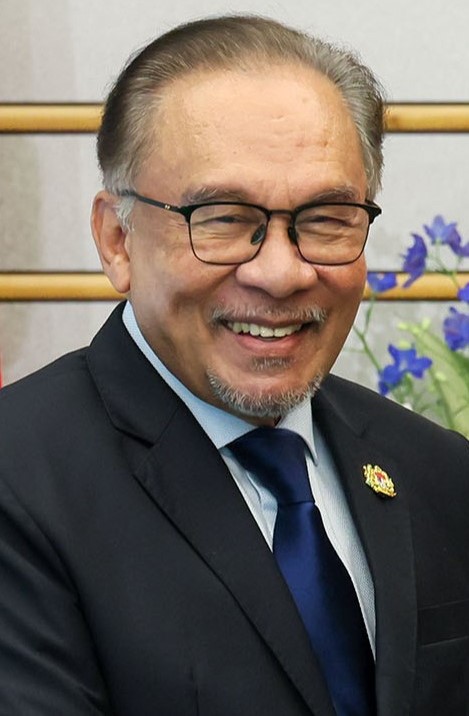
Concurrently, the HAWANA 2026 Summit transforms the carnival into something grander—a platform celebrating Malaysia's media industry during a period of significant political and informational turbulence. Scheduled for June 20 with Prime Minister Datuk Seri Anwar Ibrahim officiating, the summit will convene approximately 1,000 media practitioners domestically and internationally around the theme "Media Integrity strengthens Credibility." The timing allows visiting delegates to experience the carnival's creative energy, subtly positioning Malaysian artistic achievement as inseparable from the professional integrity the summit champions.
The Ministry of Communications' organisation of HAWANA 2026, with Bernama as implementing agency, reflects deliberate governmental engagement with media sector recognition. In a landscape where press freedom remains contested and media polarisation presents ongoing challenges, gathering media professionals around explicit integrity principles carries symbolic weight. The summit aims to formalise acknowledgement of journalists' contributions and dedication, creating institutional recognition that Malaysian media narratives sometimes understate.
For Malaysian audiences and Southeast Asian observers, this convergence of rock music heritage, cultural workshops and media industry summit represents a model of event curation that transcends entertainment tourism. The carnival's success will depend substantially on whether it achieves genuine integration across its components or devolves into parallel events sharing space. If effectively executed, RIUH Pi HAWANA establishes a template for festivals that serve multiple community functions simultaneously—providing entertainment, celebrating local talent, preserving cultural practices, generating economic activity and affirming professional standards within a single framework. Such ambition carries obvious risks of over-extension, yet reflects increasingly sophisticated understanding that cultural events can meaningfully address contemporary social priorities whilst remaining accessible and entertaining.