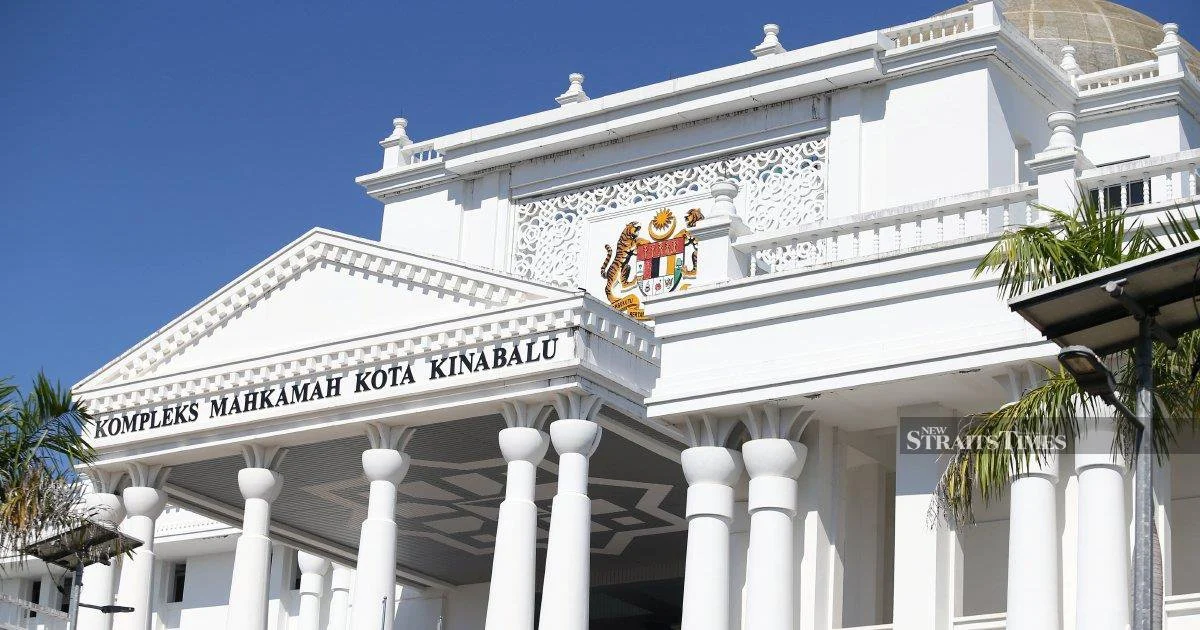
The inquest into the death of 13-year-old Zara Qairina Mahathir, the daughter of former Prime Minister Mahathir Mohamad, continued in Kota Kinabalu on Tuesday with testimony from a document examination specialist who acknowledged limitations in her ability to dispute the conclusions of a fellow expert in the same field.
The witness, called as the 74th person to give evidence before the court, explained that she could not directly contradict the findings presented by another document examination expert who had previously testified in the proceedings. This admission underscores the technical and often subjective nature of forensic document analysis, where specialists examining the same evidence may reach different conclusions based on their methodology, experience, and interpretation of physical characteristics.
Document examination is a critical forensic discipline in cases involving written evidence, signatures, or other paper-based materials. Experts in this field analyse handwriting, ink composition, paper characteristics, and printing techniques to determine authenticity, detect forgeries, or identify document alterations. The willingness of professionals to acknowledge when they cannot definitively refute a peer's work demonstrates the scientific integrity expected in such proceedings, though it can also complicate efforts to establish certainty in high-profile cases.
The inquest has now heard from 74 witnesses since it began, reflecting the complexity and scope of the investigation into Zara's death. Each witness brings specific knowledge or observations relevant to understanding the circumstances surrounding the incident. The prolonged nature of the proceedings indicates that authorities and the court are committed to examining all available evidence and hearing from all potentially relevant parties before reaching conclusions.
Zara Qairina's death has attracted significant public and media attention both domestically and internationally, given her family connection to Malaysia's political leadership. The inquest process, rather than a criminal trial, serves to establish the facts surrounding her death and determine whether any criminal conduct was involved. This investigative mechanism allows the court to examine evidence comprehensively without the formal adversarial structure of a criminal prosecution.
The testimony from the 74th witness regarding document examination limitations highlights challenges that forensic experts regularly encounter when evaluating physical evidence. Unlike some scientific analyses that produce definitive, reproducible results, document examination often involves judgment calls about subtle variations in handwriting, pressure patterns, or ink distribution. Two qualified experts examining identical documents may reasonably reach different conclusions based on their training, previous case experience, and the specific criteria they emphasise in their analysis.
This type of expert disagreement is not uncommon in forensic work and does not necessarily indicate incompetence or bad faith from either professional. Rather, it reflects the reality that some scientific disciplines, particularly those involving interpretation of visual or written evidence, contain inherent elements of subjectivity. Courts must therefore carefully weigh competing expert testimony and consider the qualifications, methodology, and reasoning of each witness when determining what evidence to accept.
The witness's acknowledgment that she could not contradict her colleague's findings may have various implications for the inquest proceedings, depending on the specific documents under examination and the significance of the disputed analysis. If the documents in question are central to establishing key facts about Zara's death, the inability to definitively resolve the contradiction between experts may require the court to rely on other evidence or to make determinations based on the balance of probabilities rather than absolute certainty.
For Malaysian legal observers and the general public following the case, this development illustrates the practical challenges that arise when specialized expertise becomes central to understanding what occurred. The inquest system has proven valuable in allowing thorough examination of all relevant facts and expert opinions, though the complexity of some evidence can complicate the path toward definitive conclusions.
The proceedings are expected to continue with additional witnesses, as the court systematically works through all available evidence. The inquest's outcome will ultimately depend not on any single piece of testimony or expert analysis, but on how the court synthesises all the evidence presented and applies legal standards for determining the circumstances of Zara Qairina's death.
The case remains significant for Malaysia's legal system and civil society, as it demonstrates how the inquest mechanism operates in high-profile matters and how courts manage complex forensic evidence when establishing facts in cases of particular public concern. The thoroughness being shown in this proceedings reflects the importance authorities place on ensuring public confidence in the justice system's ability to impartially investigate and explain circumstances surrounding the death of a young person, regardless of her family's prominence.

