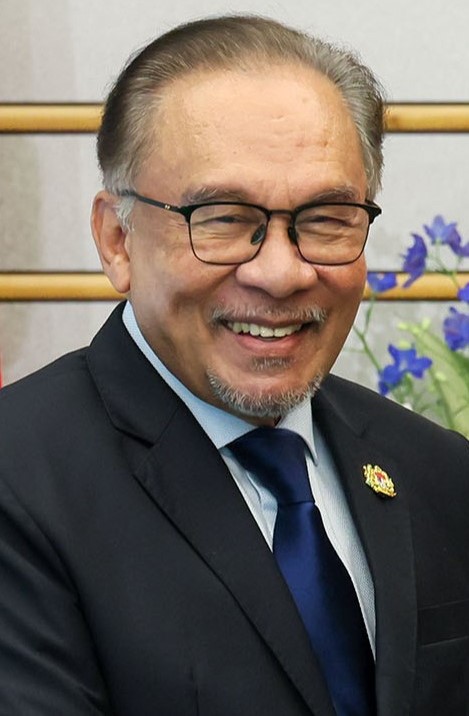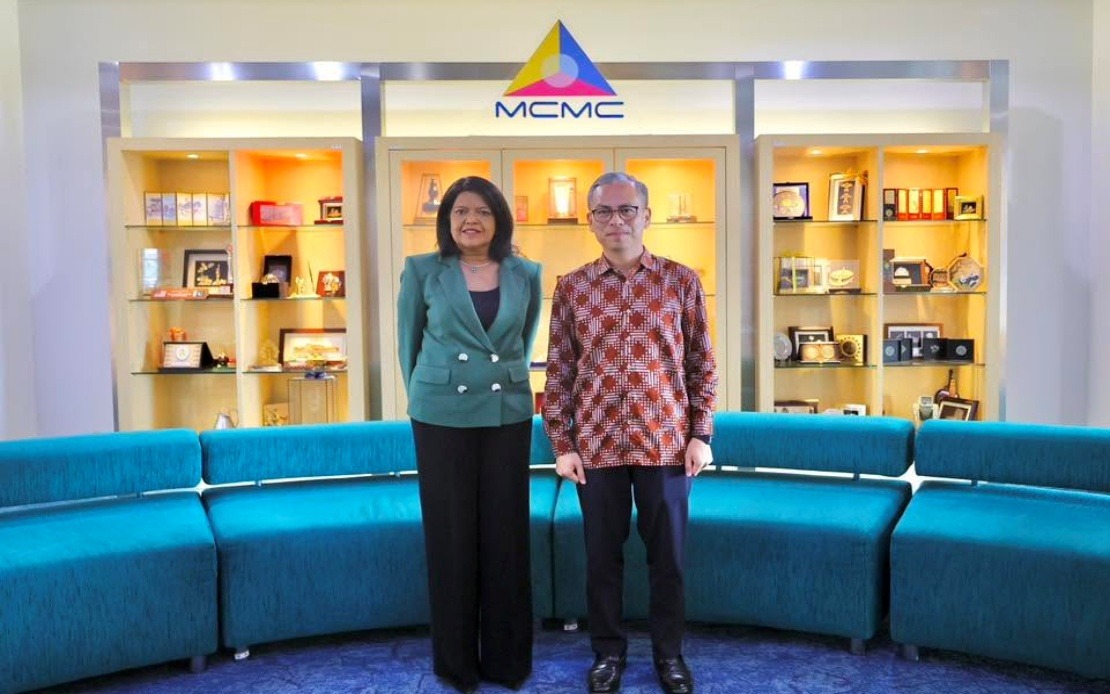
Malaysia's Communications Minister Datuk Fahmi Fadzil has expressed his support for Tan Sri Nallini Pathmanathan's appointment as chairman of the Malaysian Media Council, highlighting the significance of the role in maintaining media standards across the country. In remarks shared via social media on June 15, Fahmi extended his wishes to the former Federal Court judge, signalling government backing for her leadership of the media industry's principal self-regulatory institution.
Nallini's selection to helm the Malaysian Media Council represents a deliberate choice to place a figure with extensive judicial experience at the helm of the body responsible for overseeing press conduct and ethical standards. Her background as a Federal Court judge brings credibility and institutional gravitas to an organisation tasked with balancing the complex relationship between press freedom and accountability. The appointment underscores the government's intention to position the council as an authoritative and independent voice capable of earning respect from both media practitioners and the general public.
The Malaysian Media Council, formally established under the Malaysian Media Council Act 2025, serves as the media industry's self-regulatory mechanism. This institutional arrangement reflects a broader global trend of media organisations maintaining independent oversight structures rather than relying solely on government regulation. Such bodies are designed to protect editorial independence while simultaneously ensuring that publications adhere to professional standards and ethical norms. The council's mandate extends to addressing public complaints, adjudicating disputes, and fostering dialogue between media organisations and civil society.
In his Facebook statement, Fahmi articulated three specific aspirations for Nallini's tenure: upholding responsible media freedom, strengthening journalistic ethics, and ensuring the media industry remains both sustainable and trustworthy. These priorities reflect contemporary challenges facing journalism globally, where questions about misinformation, corporate consolidation, and declining public trust in institutions have become increasingly pressing. For Malaysia, these concerns take on particular relevance given the rapid digitalisation of the media landscape and the proliferation of online platforms that fall outside traditional regulatory frameworks.
The council's board unanimously endorsed Nallini's appointment during a meeting held on May 26, indicating substantial institutional consensus around her candidacy. This unanimity is noteworthy, as it suggests that members spanning different segments of the media industry—from publishers to broadcasters to digital platforms—saw merit in her appointment. Such consensus can strengthen the council's effectiveness, as it demonstrates that leadership decisions are grounded in broad industry agreement rather than factional interests.
Nallini's judicial pedigree positions her to navigate the increasingly complex intersections between media law, constitutional rights, and public interest considerations. Federal Court experience provides familiarity with how Malaysia's courts interpret constitutional guarantees of press freedom under Article 10 of the Malaysian Constitution, as well as the legitimate limitations on such freedom. This legal grounding proves invaluable when the council must adjudicate disputes involving sensitive issues like national security, religious sensitivities, or political contestation, where balancing competing rights demands sophisticated legal reasoning.
The establishment of the Malaysian Media Council under dedicated legislation represents an evolution in Malaysia's media governance architecture. Previously, self-regulatory mechanisms operated through industry associations or memoranda of understanding with the government. Codifying the council's authority into statute provides clearer legal standing and more defined procedures for its operations, potentially enhancing its capacity to enforce compliance with industry codes. However, the statutory basis also carries expectations of accountability to parliament and the public, placing Nallini in a position where her decisions will likely draw scrutiny from political actors, civil society organisations, and international media watchdogs.
For Southeast Asian media practitioners, Malaysia's emphasis on self-regulation offers both opportunities and lessons. Self-regulatory bodies, when properly resourced and independent, can serve as buffers against governmental overreach while maintaining professional standards more effectively than state-controlled alternatives. Nallini's appointment sends a signal across the region that Malaysia is attempting to strengthen institutional mechanisms for mediating between press freedom and accountability—a balance that remains elusive across much of Southeast Asia, where either excessive state control or insufficient professional accountability characterise media landscapes.
The timing of this appointment coincides with broader regional discussions about digital regulation, misinformation, and the role of traditional media in an increasingly fragmented information ecosystem. The council will need to develop frameworks that address not only conventional print and broadcast outlets but also digital-native news organisations, social media platforms hosting news content, and online influencers functioning as de facto media. Nallini's task extends beyond adjudicating complaints to shaping industry standards that remain relevant as technology and audience habits continue evolving.
Looking ahead, Nallini's leadership will be tested by her capacity to maintain the council's independence while earning respect from government, civil society, and the industry itself. Early indications suggest ministerial confidence in her appointment, which provides political space for the institution to operate with relative autonomy. The council's credibility will depend on its willingness to investigate complaints against major media organisations without fear or favour, and to issue rulings that sometimes displease powerful institutional interests. Her judicial background suggests familiarity with such institutional independence, though the political culture surrounding media regulation in Malaysia presents distinct challenges compared to the courtroom environment.