Authorities in Rajasthan's Dholpur district have launched a criminal investigation into the suspected honour killing of two young sisters, whose bodies were discovered in a river near Sagarpada Bridge on June 11. Police have identified the victims' father, Bharat Lodha of Pharakpur village, and several family members as primary suspects in what appears to be a case driven by familial opposition to the women's romantic choices. The incident represents another tragic case in a pattern of honour killings that continues to plague parts of northern India despite legal safeguards and police crackdowns.
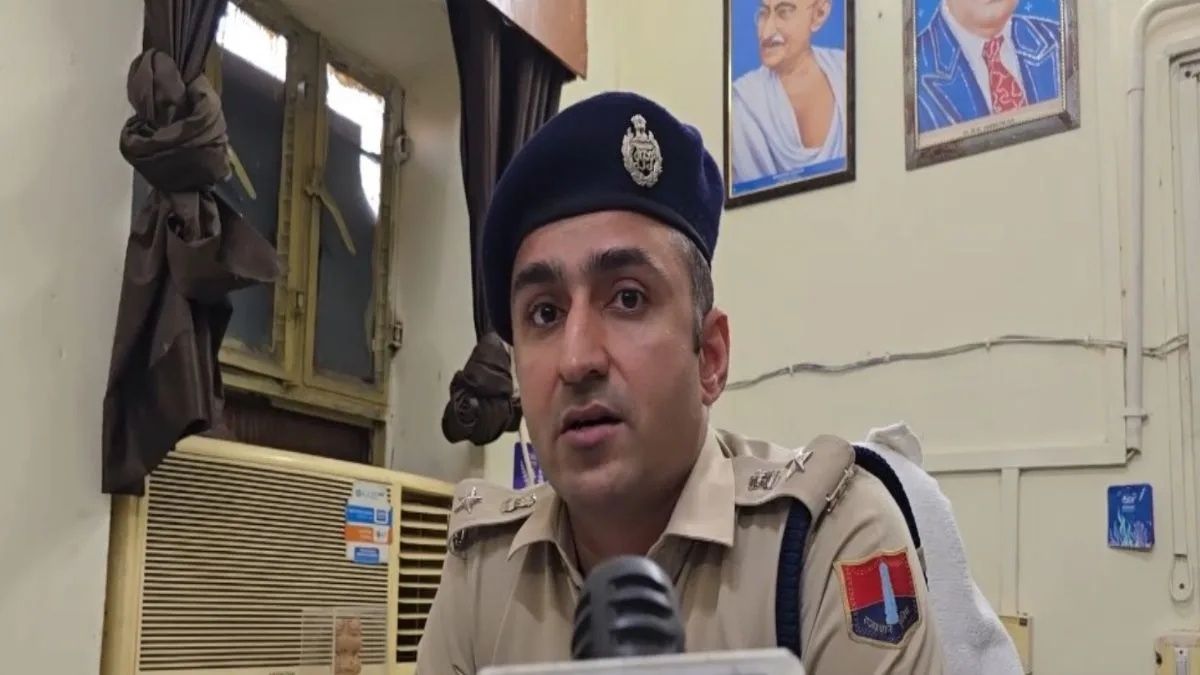
Superintendent of Police Vikas Sangwan told reporters on Friday that initial evidence suggests the women were pushed from Sagarpada Bridge into the river sometime between 9 and 10 p.m. on the night in question. The preliminary investigation has centred on establishing whether family disapproval of the sisters' romantic relationships provided the motive for the alleged crime. Sangwan emphasised that while early findings point towards foul play by family members, numerous details remain under active verification as officers continue gathering evidence from the scene.
The investigation has moved beyond simple accident theories to focus on deliberate criminal action. Police teams examined the bridge location and surrounding areas to reconstruct the sequence of events leading to the deaths. Key investigative questions include how the victims came to be at the bridge, which family members may have accompanied them, the vehicle used to transport them to the location, and the precise timing of the alleged incident. Each of these elements is crucial to building a case against the accused and determining the exact nature of their involvement.
The honour killing angle reflects deep-rooted social tensions in certain communities where family control over younger members, particularly women, remains a dominant concern. In such cases, romantic relationships outside the family's approval or involving individuals from different castes or religions can trigger extreme reactions from patriarchal authority figures. The alleged involvement of multiple family members suggests this was not an impulsive act but potentially a planned response to perceived family dishonour, a disturbing pattern investigators have documented in previous cases across northern Indian states.
Police work in honour killing investigations faces particular complexities because potential witnesses are often family members themselves, creating conflicts of interest and complicating witness testimony. Officers must navigate the tension between establishing criminal liability and handling family dynamics that may involve community pressure to drop charges or accept reconciliations. In this Dholpur case, gathering credible evidence will prove essential given that the alleged crime occurred in a remote location during evening hours when fewer outside witnesses may have been present.
The case also highlights ongoing gaps in protection mechanisms designed to safeguard young women at risk. Despite legal reforms criminalising honour killings and increased police training on such cases, enforcement remains inconsistent across districts. Many investigations rely heavily on confessions or information from family members willing to cooperate, creating dependency on factors beyond investigators' direct control. The Dholpur district police will need to secure strong circumstantial and forensic evidence if family members remain uncooperative during questioning.
For Malaysian readers, this case underscores how honour-based violence transcends borders and reflects broader challenges within patriarchal family structures across South and Southeast Asia. While Malaysia has not recorded similar incidents on the scale seen in India, domestic violence rooted in family honour disputes remains a concern, and law enforcement agencies throughout the region have strengthened protocols for identifying and protecting potential victims. The psychological pressure exerted on young women by families opposing their romantic choices represents a serious human rights issue that authorities across the region continue monitoring.
The investigation's trajectory will depend on several factors including the cooperation of family members, forensic findings from the scene, and any communications or witness accounts that can establish premeditation. Police indicated that formal charges and further legal action will follow once preliminary inquiries conclude. Sangwan's statements suggest investigators remain cautious about drawing final conclusions until all evidence is processed, a methodical approach that acknowledges the gravity of accusations against family members.
Honour killings in India, while statistically concentrated in specific states and districts, have triggered nationwide policy responses and police training initiatives. Women's rights organisations have called for more aggressive prosecution of such cases and better victim protection systems. The Rajasthan police's decision to pursue the honour killing angle suggests growing recognition of these crimes as distinct categories requiring specialised investigation approaches rather than treatment as simple homicides. This case will likely influence how similar incidents are handled across the state and neighbouring jurisdictions moving forward.

