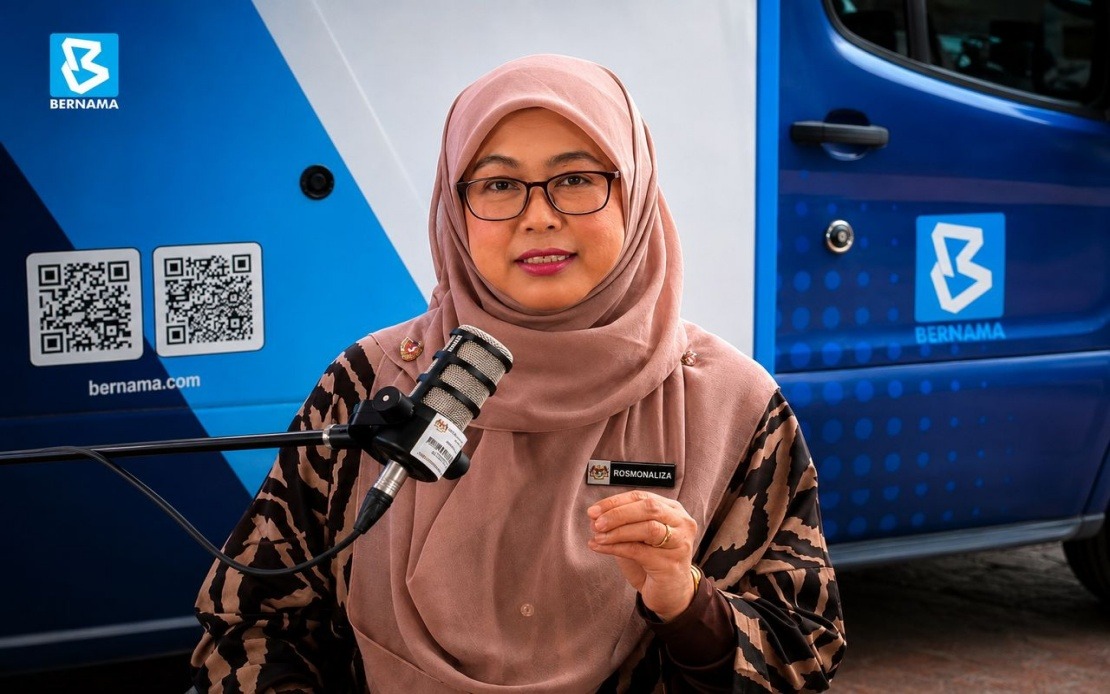
The National Population and Family Development Board (LPPKN) is pushing for a fundamental shift in how Malaysian society views fatherhood, arguing that contemporary family structures demand fathers engage actively in their children's emotional welfare and academic pursuits rather than confining themselves to traditional provider roles. Speaking at a podcast discussion on family wellness, Rosmonaliza Abdul Ghani, director of LPPKN's Family Well-being Division, emphasised that evolving lifestyle patterns have created new expectations for paternal involvement that extend far beyond earning capacity.
The transformation reflects broader demographic and economic changes across Malaysia and the wider region. Dual-income households have become increasingly common, while single-parent and blended family structures challenge outdated assumptions about household composition. Fathers who remain disconnected from their children's emotional development miss opportunities to build resilient, communicative family units capable of navigating modern pressures. Rosmonaliza stressed that meaningful dialogue within families has become essential for maintaining paternal relevance and influence during formative years when children are developing their own emotional intelligence and coping mechanisms.
LPPKN's perspective reframes fatherhood as a leadership position within family institutions rather than merely a financial obligation. The agency views fathers as agents of social change capable of transmitting values, establishing healthy communication patterns, and modelling emotional maturity to younger generations. This expanded conception of paternal responsibility acknowledges that children benefit significantly when fathers invest time and emotional energy in their presence, guidance, and active listening rather than relying exclusively on material provision to demonstrate care and commitment.
Encouragingly, Rosmonaliza noted that cultural attitudes toward male vulnerability and help-seeking behaviour are gradually shifting in Malaysia. More men are now willing to attend counselling sessions—both individually and alongside spouses and children—indicating reduced stigma around addressing mental health concerns and family relationship challenges. This openness creates opportunities for LPPKN and similar institutions to provide targeted support through counselling, therapeutic interventions, and personality assessments designed specifically for fathers navigating financial stress, psychological difficulties, and the complex pressures of contemporary family life.
The significance of active paternal presence becomes particularly acute when examining social dysfunction patterns in Malaysian communities. Observers working with economically vulnerable populations and street children consistently identify father absence as a contributing factor to substance abuse, family disintegration, and youth engagement in harmful activities. When household heads struggle with addiction or financial instability without adequate family support structures, the entire family ecosystem deteriorates, perpetuating cycles of poverty and social marginalisation. Understanding these connections underscores why initiatives targeting paternal engagement carry considerable potential for addressing root causes of social problems rather than treating symptoms reactively.
Approaches to supporting struggling fathers must balance accountability with compassion, according to perspectives shared in the discussion. Punitive or judgmental strategies often alienate men facing difficulties, making them less likely to seek assistance or reform their behaviour. Instead, interventions rooted in religious values, cultural principles, and family-centred philosophy create safer environments where fathers can acknowledge shortcomings and reclaim their household leadership without losing dignity. This recognition that masculine identity and family responsibility are deeply interconnected suggests that sustainable change requires understanding the psychological barriers preventing engagement rather than simply imposing external demands.
The role of spousal and children's support in enabling paternal wellbeing deserves particular attention in Malaysian family contexts. Wives and partners can either reinforce fathers' isolation during periods of stress or facilitate openness and help-seeking by creating emotionally safe household environments. Similarly, children's appreciation—even retrospectively—for paternal sacrifice provides meaningful reinforcement of a father's sense of purpose and value. However, LPPKN's messaging emphasises that children should not defer their gratitude until later life stages; earlier recognition of fathers' efforts strengthens immediate family bonds and encourages continued emotional investment from fathers during critical developmental years.
Time investment represents a more potent family currency than material accumulation, according to contemporary family psychology principles endorsed by LPPKN. Children's recall of childhood and sense of paternal connection correlate more strongly with quality time spent together—through conversation, shared activities, and emotional presence—than with purchased goods or financial security. This insight directly challenges economic models that valorise breadwinner roles exclusively, instead positioning presence and attentiveness as primary paternal contributions to children's psychological development and family resilience. For Malaysian fathers working in demanding sectors or managing precarious employment, this reframing potentially reduces guilt while refocusing efforts toward high-impact relational activities.
The initiative aligns with broader regional and global movements recognising that gender role transformation benefits entire societies. When fathers actively participate in emotional nurturing and educational engagement, family outcomes improve across multiple dimensions including academic achievement, psychological adjustment, and behavioural health. Simultaneously, mothers experience reduced isolation and burnout from shouldering disproportionate caregiving responsibilities. Schools and social institutions benefit from stronger family foundations supporting children's concentration and participation. Economic productivity gains accrue when employees maintain healthier work-life balance and experience lower stress related to family conflict or parental absence concerns.
Moving forward, LPPKN's agenda requires normalising conversations about paternal vulnerability and support-seeking within Malaysian communities. Workplace policies, educational institutions, and religious leaders can amplify messaging that responsible fatherhood encompasses emotional authenticity alongside traditional protection and provision. Building widespread cultural acceptance that fathers deserve support navigating modern pressures—and that seeking assistance strengthens rather than undermines their masculinity—represents a prerequisite for meaningful engagement expansion. As Malaysia continues urbanising and economic structures evolve, intentional cultural work redefining fatherhood becomes essential for maintaining family stability and addressing downstream social challenges emerging from paternal disengagement.

