American law enforcement agencies have disrupted what officials describe as a coordinated plot to strike a high-profile Ultimate Fighting Championship event held at the White House, with FBI Director Kash Patel confirming the preventive action on social media this week. The incident underscores heightened security concerns surrounding major presidential events and the continued threat of political violence in the United States, developments that carry implications for how democracies worldwide manage large-scale public gatherings in polarised times.
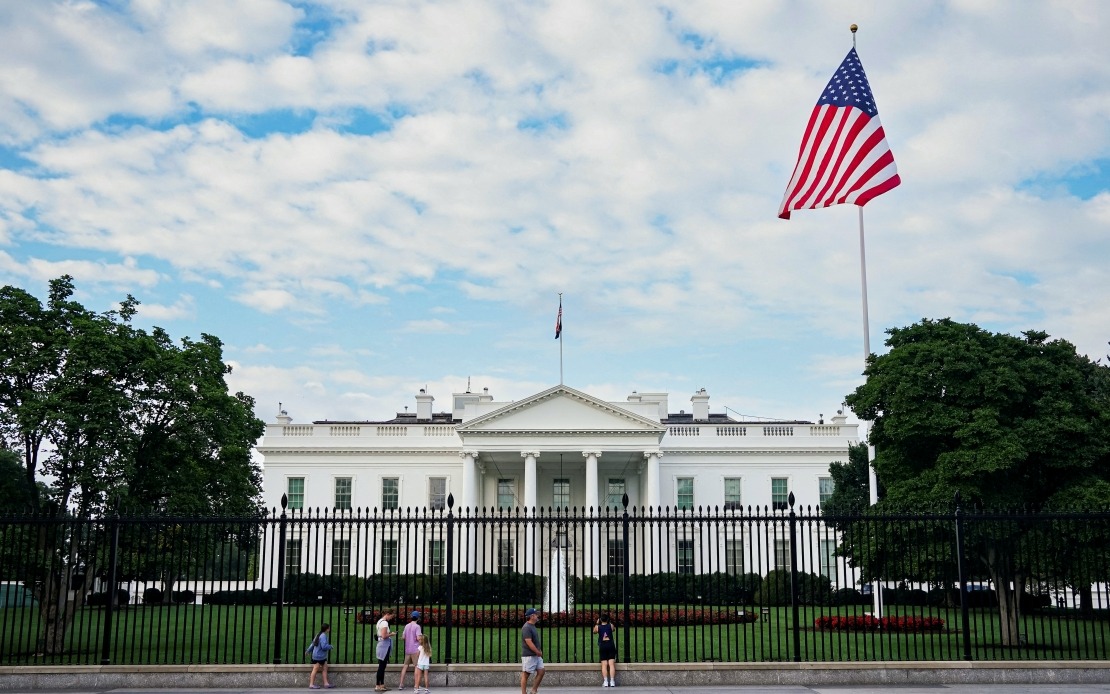
Authorities became aware of the potential threat on June 10, days before the UFC America 250 event took place on Sunday on the South Lawn of the White House to commemorate President Donald Trump's 80th birthday and mark 250 years since American independence. The alleged plot involved multiple individuals operating outside the National Capital Region who were said to be planning the assault. As of Monday, five individuals had been taken into custody, and investigators identified a broader network of 23 people suspected of involvement in planning the attacks, according to law enforcement officials quoted by Fox News.
According to accounts from officials, the alleged scheme was multifaceted and designed to create chaos and loss of life. The plan reportedly centred on deploying explosive-laden drones to strike buildings near the venue, which would trigger a mass evacuation of spectators. As crowds were forced to flee the area, they would allegedly be steered towards a pre-positioned sniper team positioned to inflict casualties. This orchestrated approach suggests a level of coordination and tactical planning that heightened concerns among security professionals. Officials further indicated that a second wave of the operation was planned to attempt a breach of the White House gates themselves, suggesting ambitions beyond the event site itself.
The UFC event itself proceeded despite the security threats and legal challenges filed against it. Two Virginia residents had contested the legality of holding such a cage-fighting spectacle on White House grounds, arguing it violated protocol or law. However, a federal judge in the US District Court for the District of Columbia refused to block the event on Friday, allowing the unprecedented show to move forward with security measures in place. Approximately 4,000 spectators attended the event on Sunday, suggesting that despite the behind-the-scenes security concerns, the gathering proceeded with substantial public participation.
The foiled plot fits into a troubling broader pattern of political violence and assassination attempts targeting American leadership and high-profile political functions. In April, a man armed with guns and knives breached a security checkpoint at the White House Correspondents' Dinner, an incident that resulted in criminal charges related to attempted assassination of the president. These incidents highlight the persistent security challenges facing democratic institutions in the United States, particularly when holding public events that are meant to celebrate national symbols and leadership. The frequency and severity of such attempts have prompted ongoing debates about event security protocols and the balance between public access and presidential safety.
For Malaysian and Southeast Asian observers, the incident offers instructive lessons about the complexities of maintaining open democracies while managing genuine security threats. Democratic nations strive to hold public events that embody principles of openness and accessibility, yet they must simultaneously implement rigorous security measures. The ability of authorities to detect and prevent such plots before they materialise demonstrates the importance of intelligence gathering, coordination between law enforcement agencies, and proactive threat assessment. These capabilities represent investments that security agencies worldwide must maintain to protect public figures and civilian gatherings from extremist or politically motivated violence.
The scope of the alleged conspiracy, with investigators identifying 23 people as part of a suspected network, underscores that such plots often involve distributed networks rather than isolated individuals. This distributed nature of potential threats complicates security planning and requires law enforcement agencies to think in terms of broader networks and coordination patterns rather than singular perpetrators. Intelligence sharing between federal agencies and regional law enforcement partners proved crucial in this instance, with FBI Director Patel explicitly crediting "law enforcement partners" in the success of the operation. This interagency cooperation model represents best practice in counterterrorism and threat prevention work.
The timing of the alleged plot—discovered just days before the event—indicates that security breaches or intelligence shortcomings could easily have resulted in tragedy. The fact that authorities identified the threat with sufficient time to apprehend suspects and allow the event to proceed under enhanced security measures demonstrates the importance of robust intelligence capabilities. However, it also raises questions about how many potential threats might be identified and neutralised outside of public view, suggesting that security professionals operate in a constant state of heightened vigilance during major public events.
For regional policymakers and security professionals in Southeast Asia, the incident demonstrates that threats to major public events and political gatherings are not uniquely American phenomena. Nations hosting significant public assemblies, state ceremonies, or sporting events must develop similar intelligence-gathering and threat-assessment capabilities. The sophistication of the alleged plot—involving drones, coordinated tactical positioning, and multi-phase operations—reflects evolving tactics that security planners globally must understand and counter. The American experience, widely reported and analysed internationally, becomes a case study for how modern threats manifest and how democracies can respond while preserving the openness that such events are meant to represent.
The incident also raises questions about the role of intelligence and preventive law enforcement in democratic societies. The success in foiling this alleged plot relies on the capacity of authorities to monitor communications, identify suspicious behaviour patterns, and act decisively before violence occurs. These capabilities, while essential for public safety, also implicate ongoing debates about surveillance, privacy, and the appropriate scope of government monitoring. The balance between security and civil liberties remains contentious in democracies, and high-profile foiled plots inevitably reignite these conversations about where appropriate boundaries should lie.
Looking ahead, the incident will likely influence how future major presidential events and White House functions are planned and secured. The UFC event itself was unconventional—cage fighting on the South Lawn represents a departure from traditional White House gatherings—and the security challenges it presented differed from standard state dinners or ceremonial functions. As political leaders and event planners consider how to hold such events going forward, they must weigh the desire for public engagement and accessible celebrations against the demonstrated security threats that contemporaneous American politics presents. The authorities' success in preventing this particular attack will inform threat assessments and security protocols for months and years to come.