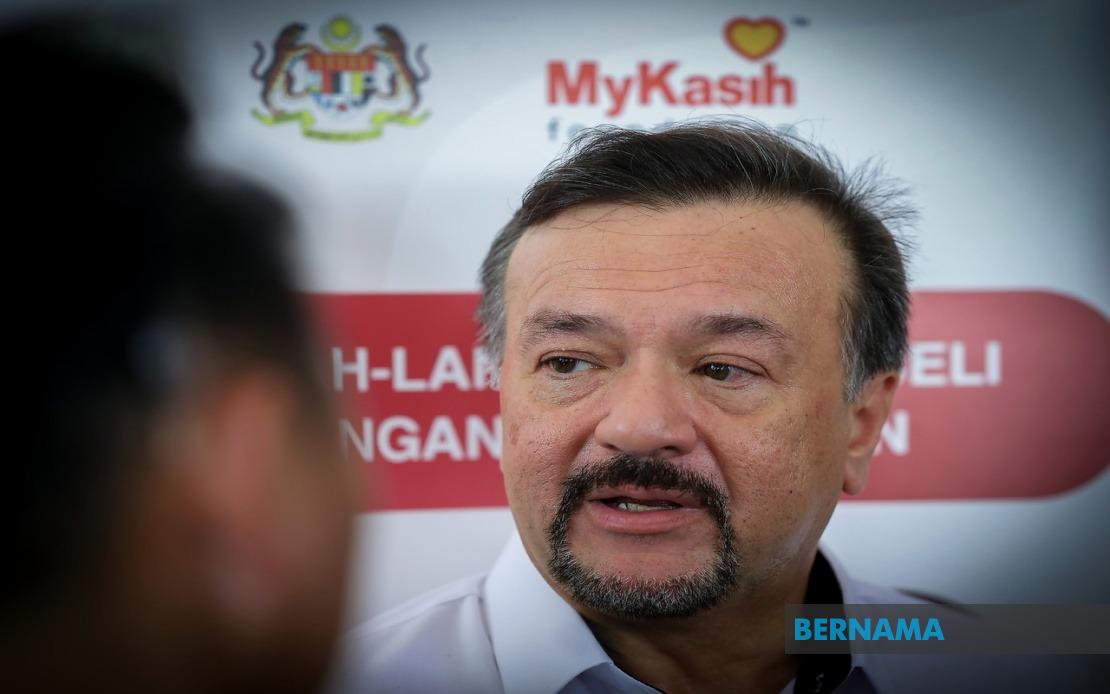
The Malaysian government is maintaining a flexible stance towards the BUDI MADANI Diesel programme, signalling willingness to evaluate and refine the initiative as implementation progresses. Finance Minister II Datuk Seri Amir Hamzah Azizan announced at a media conference in Kuching that the Ministry of Finance would examine any proposals aimed at improving the subsidy scheme's effectiveness, with decisions grounded in concrete usage metrics rather than speculation or early-stage feedback.
This measured approach reflects lessons learned from earlier subsidy interventions, particularly the RON95 fuel subsidy rollout. When that programme launched, numerous stakeholders raised concerns about quota restrictions proving inadequate for motorists' actual needs. However, data collected over the first five months of 2024 painted a different picture: merely 0.76 per cent of users exceeded the 200-litre consumption threshold. The discrepancy between anticipated constraints and observed reality underscores the importance of allowing programmes to stabilise before making hasty policy adjustments.
Amir Hamzah emphasised that premature quota increases, without supporting evidence of genuine shortfalls, could undermine the programme's fiscal sustainability. The government's position reflects a deliberate strategy to test the system's performance under real conditions, gather reliable consumption patterns, and only then proceed with modifications if gaps genuinely emerge. This evidence-based methodology contrasts with reactive policymaking driven by anecdotal complaints or pressure from vocal interest groups.
The targeted subsidy framework adopted for e-hailing services demonstrates the government's commitment to refinement based on data. When drivers initially reported that allocated fuel quotas were insufficient for their commercial operations, the authorities didn't dismiss the concerns outright. Instead, they analysed usage records compiled by ride-sharing companies, identifying genuine high-consumption operators versus those falling within normal ranges. This analysis led to a tiered quota system offering both 600-litre and 800-litre monthly allocations, calibrated to match actual operational demands.
For Malaysian consumers and businesses relying on diesel fuel, this adaptive approach offers some reassurance. The BUDI Diesel programme represents a significant financial commitment from the national budget, and the government's insistence on data-driven decision-making suggests a commitment to preventing wastage while ensuring the subsidy reaches those genuinely dependent on affordable fuel access. Small transport operators, agricultural enterprises, and commercial users stand to benefit from a system that genuinely reflects their consumption patterns.
Works Minister Datuk Seri Alexander Nanta Linggi's presence at the Kuching briefing signals alignment across multiple government agencies on this pragmatic framework. Infrastructure development, logistics, and construction sectors—domains overseen by the Works Ministry—have substantial diesel fuel requirements, making the credibility of the subsidy programme crucial for their operational planning.
The government's willingness to revisit policy decisions based on empirical evidence also carries broader implications for Malaysia's economic management. In an era of fiscal constraints and the need to balance social support with budgetary discipline, programmes that can self-correct through real-time monitoring represent a more sustainable model than rigid structures implemented without flexibility. The message is clear: feedback will be welcomed, but it must be supported by documented evidence rather than assumptions.
For businesses contemplating proposals to enhance the BUDI Diesel programme—whether through quota adjustments, expansion to additional user categories, or modifications to the redemption process—the pathway is now transparent. Stakeholders should prepare comprehensive data analysis demonstrating specific shortcomings and quantifying the impact. Anecdotal evidence or preliminary complaints from the first few months of rollout are unlikely to drive policy revision.
This stance also reflects recognition that subsidy programmes, however well-intentioned, can breed dependency and encourage inefficient consumption patterns if not carefully structured. By maintaining scrutiny over usage data and resisting quota expansion absent compelling evidence, the government aims to preserve the programme's long-term viability whilst ensuring that support genuinely benefits those most in need.
The regional context adds another layer of significance. Diesel subsidies have been a contentious policy area across Southeast Asia, with several neighbours grappling with similar challenges around fiscal sustainability and equitable benefit distribution. Malaysia's evidence-based approach may offer a model worth monitoring, particularly as other nations evaluate their own fuel support mechanisms in response to volatile global oil markets.
Moving forward, stakeholders should anticipate that the government will maintain this patient, data-driven posture through at least the end of the current financial year, allowing seasonal variations and diverse usage patterns to manifest fully in consumption statistics. Only then will meaningful decisions on programme expansion or contraction become justified. For consumers and businesses, the message is to utilise the system as designed and allow accurate usage patterns to inform future policy evolution.

