A tragic incident unfolded at a residential complex in Bandar Sunway when a foreign student in her 20s was discovered deceased, prompting swift police intervention and a developing criminal investigation into the circumstances of her death. The discovery has sent shockwaves through the expatriate and student communities in the Petaling Jaya area, where Bandar Sunway serves as a major residential hub for international residents, including numerous overseas students pursuing tertiary education at Malaysian institutions.
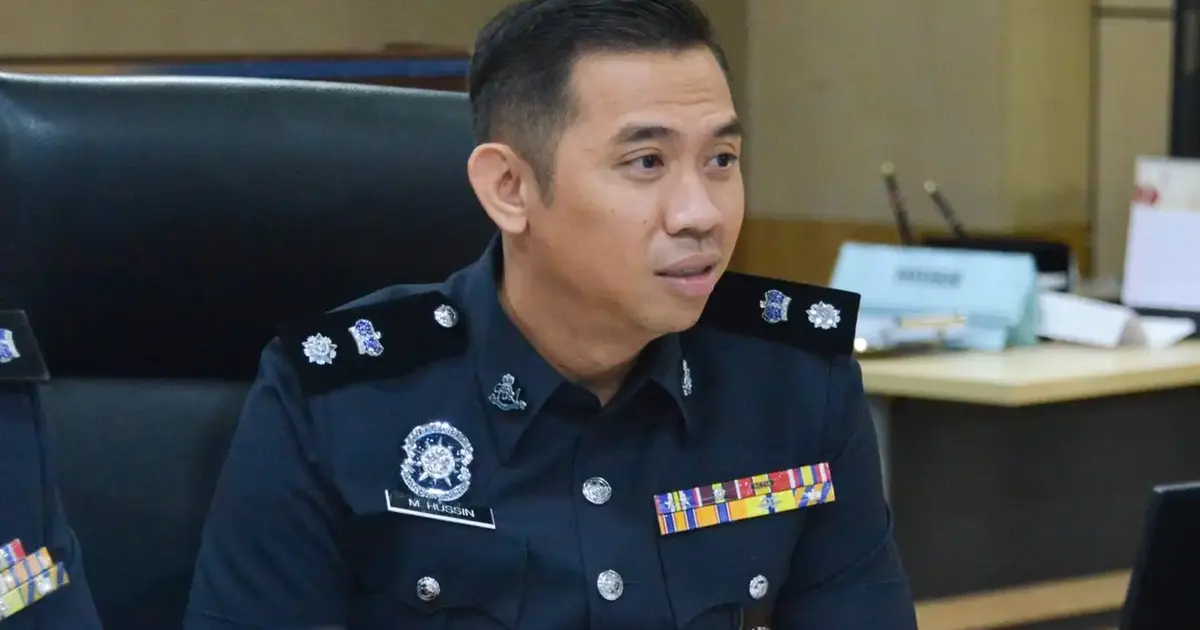
In response to the incident, Selangor police acted decisively by apprehending a foreign national in his 20s for questioning as part of their investigative procedures. The arrest represents a standard investigative protocol when authorities work to establish the sequence of events and circumstances that led to the young woman's death. Authorities have not yet disclosed the specific nature of their enquiries or the relationship, if any, between the suspect and the deceased, leaving significant questions about the incident's circumstances unanswered at this stage.
Bandar Sunway, one of the Klang Valley's most established residential and commercial developments, hosts thousands of foreign nationals residing in its numerous apartment complexes and condominiums. The incident highlights an ongoing reality for expatriate communities in Malaysia's urban centres, where isolated tragic events occasionally occur that draw heightened attention from both local authorities and international observers. The proximity of educational institutions, employment hubs, and accessible housing makes developments like Bandar Sunway natural magnets for international students and professionals.
The death has triggered immediate concern among parents and guardians of overseas students studying in Malaysia, raising questions about personal safety protocols within residential communities. Educational institutions and accommodation providers frequently emphasise the security measures available to international students, yet incidents such as this serve as sobering reminders of the vulnerabilities that can persist despite precautions. Both Malaysian universities and student support organisations typically maintain liaison channels with diplomatic missions to ensure rapid communication in cases involving international citizens.
Police investigations into deaths occurring under ambiguous circumstances follow established investigative frameworks designed to eliminate possibilities and establish facts. The detention of the foreign national allows authorities to conduct structured interviews, cross-reference evidence, and develop a comprehensive understanding of events preceding the discovery. Malaysian law enforcement has previously demonstrated competence in handling sensitive cases involving foreign nationals, balancing investigative thoroughness with diplomatic considerations.
The incident occurs within a broader context of Malaysia's growing international student population, which exceeded 185,000 at its peak, making the nation a significant player in Southeast Asian higher education. Thousands of these students reside in privately-managed residential complexes across Kuala Lumpur and the Klang Valley, creating diverse communities that often remain relatively isolated from broader Malaysian society. Most such arrangements proceed without incident, but tragedies of this nature, though statistically uncommon, generate disproportionate impact on student perception of safety and institutional reputation.
Residential management companies operating in Bandar Sunway and similar developments typically implement security protocols including gated access, security personnel, and closed-circuit surveillance systems. The presence of such infrastructure, however, does not eliminate all risks, particularly when incidents involve residents or their associates. Authorities investigating such deaths must determine whether security systems functioned adequately and whether any gaps in monitoring protocols contributed to the tragedy.
The diplomatic dimension of this incident warrants attention, as both the deceased student and the detained suspect represent foreign interests requiring consular involvement and notification. Malaysia's relationship with student-sending nations depends partly on perceptions of student safety and the quality of official responses to tragic incidents. Foreign ministries typically dispatch diplomatic representatives to offer consular assistance and monitor proceedings, particularly when circumstances remain unclear.
Communication from official channels remains limited as investigations proceed, a standard practice designed to protect investigative integrity and avoid prejudicing potential proceedings. However, the silence creates space for speculation and concern, particularly among families of the deceased and among overseas student communities who may view the incident as emblematic of broader safety concerns. Malaysian authorities' communication strategies in such cases significantly influence international perceptions of institutional competence and duty of care.
The arrest and ongoing investigation demonstrate that authorities are actively pursuing answers. Whether charges will emerge, what form they might take, and what the ultimate findings reveal about causation remain pending outcomes of forensic analysis, witness statements, and investigative interviews. The coming weeks will determine whether this represents an isolated tragedy or reveals systemic vulnerabilities requiring addressed.
For Malaysia's international education sector and the residential communities hosting foreign nationals, this incident underscores the importance of maintaining robust safety infrastructure, clear communication protocols, and swift institutional response capabilities. The tragedy serves as a reminder that beneath Malaysia's reputation as a welcoming destination for global students lies a requirement for serious attention to duty of care and personal security in shared residential spaces.

