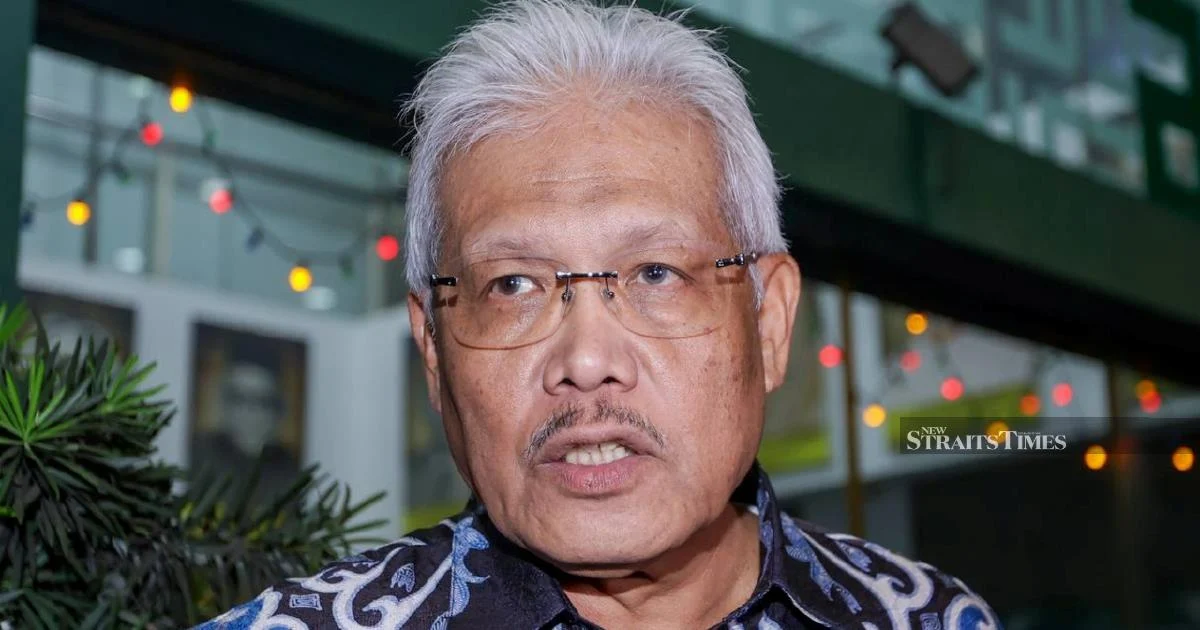
The opposition coalition has initiated formal procedures to officially recognise Datuk Seri Hamzah Zainudin's leadership role, with a declaration set to reach the Dewan Rakyat Speaker before legislators reassemble for the coming parliamentary session. This administrative step represents a crucial juncture in Malaysia's political landscape, formalising what has been emerging in recent political movements within the opposition camp.
The timing of this notification holds particular significance for Malaysia's parliamentary operations. By submitting the formal notice ahead of the next sitting rather than during proceedings, opposition parties aim to ensure that Hamzah's status as opposition leader is clearly established in the parliamentary record from the outset. This procedural approach allows the Speaker to acknowledge and recognise his position properly, establishing a clear chain of command and parliamentary protocols for opposition engagement during legislative sessions.
Hamzah Zainudin's ascendancy to opposition leadership reflects broader shifts within Malaysia's political coalitions. His political trajectory has seen him navigate multiple party alignments and strategic positioning, ultimately consolidating support among opposition lawmakers. The formal appointment signals that parties opposing the federal government have reached consensus on unified leadership, a development that could reshape parliamentary dynamics and opposition effectiveness in legislative scrutiny.
The opposition leader role carries substantial parliamentary responsibilities and privileges. The designated leader receives speaking rights, question-time allocations, and formal recognition in parliamentary procedures that enhance the opposition's ability to challenge government policies and propose alternative legislative approaches. Hamzah's installation in this position therefore represents not merely a symbolic gesture but a substantive shift in how opposition voices will be channelled and amplified within the legislative chamber.
For Malaysian governance, clear opposition leadership is essential to parliamentary function. An organised opposition provides rigorous scrutiny of government decisions, tests the strength of legislation through substantive debate, and ensures that alternative viewpoints receive hearing at the highest legislative levels. The formalisation of Hamzah's role contributes to institutional stability by establishing transparent lines of authority within the opposition bloc.
The procedural submission before rather than during parliamentary sitting reflects careful management of parliamentary protocols. Opposition parties recognise that formal notification in advance allows administrative machinery to process the appointment, updates parliamentary records appropriately, and ensures that when parliament convenes, opposition structures are already institutionalised. This prevents procedural disruption during legislative sessions themselves.
Regionally, Malaysia's parliamentary developments attract attention from neighbouring democracies monitoring Southeast Asian political trends. A functional opposition leadership strengthens democratic institutions across the region, demonstrating that power alternation and institutional checks remain viable even within complex political environments. Hamzah's formalised appointment reinforces these regional democratic practices.
The submission timing also suggests strategic communication between opposition parties and parliamentary administration. Rather than presenting the Speaker with surprise appointments that might invite procedural challenges, advance notice allows technical preparation and ensures smooth integration of new opposition structures into existing parliamentary frameworks. This cooperation between opposition and parliamentary bureaucracy, despite political opposition, exemplifies democratic norms functioning effectively.
For Malaysian constituents, clear opposition leadership enhances their ability to understand political alternatives and hold legislators accountable. When opposition voices operate through recognised structures and leadership, voters can more readily identify which figures represent which policy positions, facilitating informed electoral choices. Hamzah's formal appointment thus supports voter engagement with the political process.
The notification requirement itself demonstrates how Malaysian parliamentary practice balances flexibility with institutional rigour. Rather than hardcoding opposition leader procedures into standing orders, the system allows flexibility for opposition coalitions to organise themselves while requiring formal notification to maintain transparency. This approach permits political innovation while preserving institutional memory and parliamentary precedent.
Looking forward, Hamzah's formal recognition as opposition leader will likely influence parliamentary dynamics over multiple sessions. Opposition contributions to budget debates, legislative amendments, and government accountability mechanisms will all reflect his leadership. The effectiveness of his tenure will partly depend on how well he can consolidate support among sometimes ideologically diverse opposition lawmakers and translate parliamentary forums into platforms for public persuasion.
The submission of this formal notice ultimately represents transition from informal political accommodation to institutionalised opposition structure. Once the Dewan Rakyat Speaker receives and acknowledges the notification, Hamzah's position gains official parliamentary standing that carries implications for seating arrangements, speaking protocols, committee assignments, and media engagement. This formalisation transforms political reality into institutional fact.

