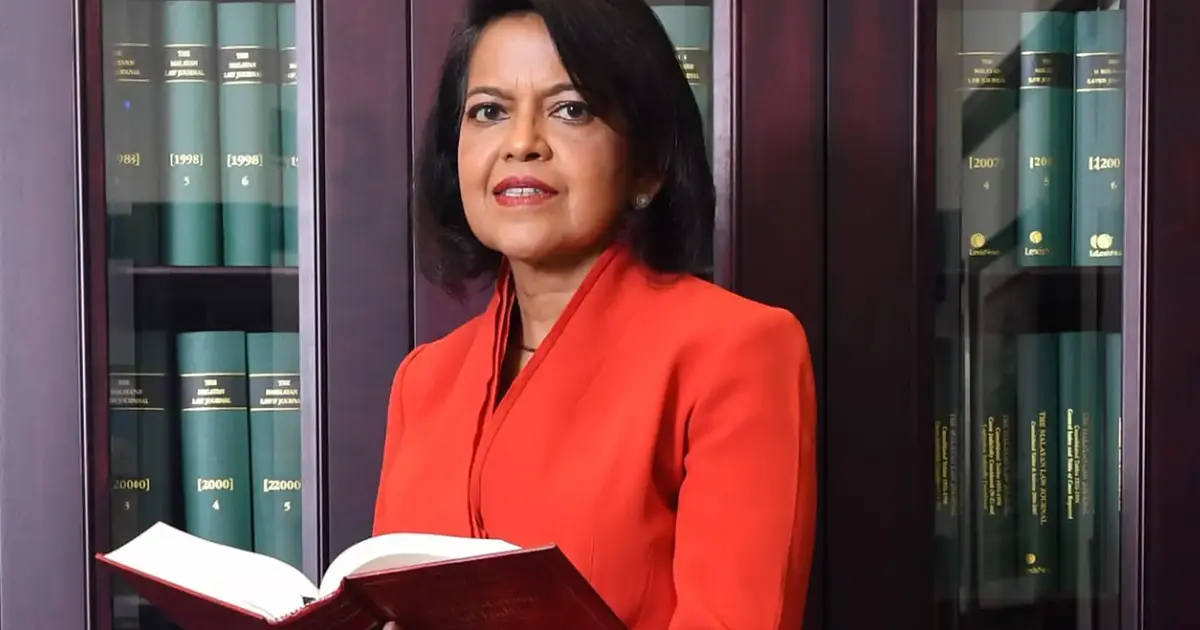
The Malaysian Media Council has appointed Nallini Pathmanathan, a former Federal Court judge, to serve as chairman, marking a significant leadership transition for the self-regulatory body overseeing the country's news industry. The appointment reflects the council's strategic move to bring judicial expertise and institutional credibility to its governance structure during a period of considerable upheaval affecting Malaysian media organisations.
Pathmanathan's elevation to the role carries particular weight given her distinguished judicial career. Her background on Malaysia's highest court positions her to navigate the complex intersection of press freedom, regulatory compliance, and constitutional principles that increasingly define the media landscape. The council's decision to seek leadership from the judiciary signals recognition that media governance increasingly requires understanding of fundamental legal frameworks and constitutional safeguards.
The timing of this appointment arrives as the Malaysian media industry confronts multifaceted challenges that span economic viability, digital transformation, and evolving audience expectations. Traditional news organisations continue experiencing revenue pressures as advertising markets fragment across digital platforms, forcing difficult decisions about editorial investment and newsroom staffing. Simultaneously, the rapid proliferation of online content and social media platforms has created regulatory grey areas that demand careful consideration of journalistic standards and misinformation prevention.
One critical dimension of Pathmanathan's tenure will involve addressing the relationship between self-regulation and government oversight. Malaysia's media environment operates within specific constitutional parameters outlined in Article 10 of the Federal Constitution, which guarantees freedom of speech while permitting reasonable restrictions. The Media Council must balance its role as an independent arbiter of journalistic standards against pressures for closer alignment with government communications objectives, a tension that requires careful judicial thinking.
The council's mandate includes formulating codes of ethics, investigating complaints against media organisations, and promoting professional standards across newsrooms. These responsibilities have grown more complex as the definition of "media" itself has expanded beyond traditional broadcasters and newspapers to encompass digital-native outlets, news aggregators, and social media influencers. Pathmanathan's appointment suggests the council recognises the need for legally rigorous frameworks that can adapt to technological change while maintaining consistent ethical principles.
Digital disruption represents perhaps the most pressing challenge facing Malaysian media. The shift toward online consumption has fundamentally altered business models, prompting news organisations to experiment with subscription services, paywalls, and alternative revenue streams. However, the competitive landscape remains fierce, with free platforms and aggregators capturing substantial audience attention. The Media Council must help establish standards that maintain journalistic quality and accountability in this increasingly fragmented ecosystem.
Misinformation and disinformation campaigns pose another area demanding urgent attention. The 2022 general election saw widespread circulation of false claims across multiple platforms, highlighting vulnerabilities in the information ecosystem. Media regulators across Southeast Asia have grappled with developing responses that enhance media literacy and source verification without imposing censorship. Pathmanathan's judicial background may inform approaches that distinguish between legitimate editorial judgment and deliberate falsehood within constitutional bounds.
The council's effectiveness also depends on media industry cooperation and public trust. Malaysian newsrooms increasingly operate under financial constraints that affect their ability to maintain multiple reporting teams or investigate complex stories requiring sustained resources. Smaller publications and online outlets sometimes lack the infrastructure for rigorous fact-checking and editorial oversight. The Media Council can facilitate professional development and knowledge-sharing mechanisms that help raise standards across all segments of the industry.
International precedents offer instructive lessons. Self-regulatory media councils in countries like the United Kingdom and Nordic nations have maintained credibility through transparent complaint processes, public interest advocacy, and willingness to publish critical findings about member organisations. Yet these models operate within media ecosystems with stronger historical traditions of press independence and different regulatory architectures. The Malaysian Media Council must adapt international best practices to local conditions while respecting constitutional frameworks and industry realities.
Pathmanathan's appointment also carries symbolic significance for women in institutional leadership. Her elevation to the chairmanship of a major media governance body reflects broader shifts in Malaysian institutional representation, though women remain underrepresented in senior positions across many sectors. Her presence may also influence media coverage and editorial priorities, particularly regarding gender equality issues and women's participation in public discourse.
The challenges ahead extend beyond regulatory frameworks to encompass questions about media's role in democratic governance and social cohesion. Malaysian journalists operate in an environment where reporting on sensitive topics related to race, religion, and state security requires careful navigation of both formal laws and informal expectations. The Media Council can provide guidance that helps newsrooms understand their rights and responsibilities while protecting press freedom.
Looking forward, the council under Pathmanathan's leadership will likely prioritise developing clearer standards for digital content, strengthening complaint resolution mechanisms, and fostering dialogue between media organisations, government agencies, and civil society groups. Her judicial experience in interpreting constitutional provisions suggests she may advocate for frameworks that protect press freedom while acknowledging legitimate public interest concerns.
The appointment ultimately reflects recognition that Malaysia's media industry requires sophisticated governance structures capable of addressing both enduring principles and emerging technological challenges. Whether the council can maintain credibility with all stakeholders while promoting professional standards will significantly influence the trajectory of Malaysian journalism in coming years.