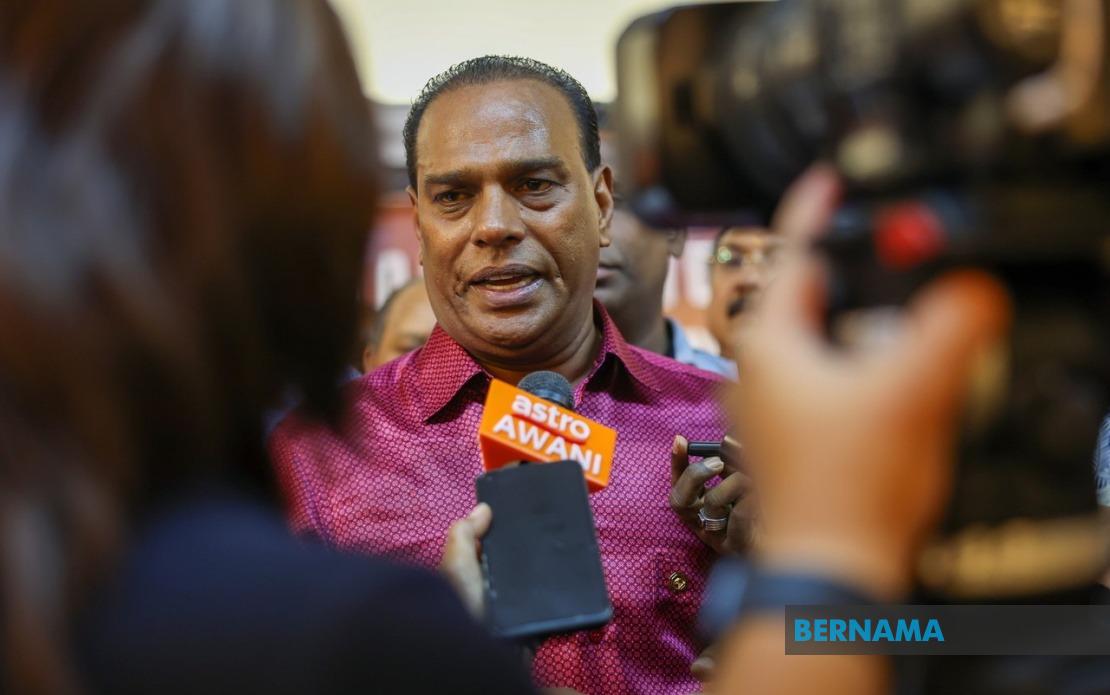
Datuk Seri M. Saravanan, the former Human Resources Minister and deputy president of the Malaysian Indian Congress, confirmed on August 27 that he will face charges in the Sessions Court tomorrow morning. The Tapah MP disclosed that the prosecution stems from allegations connected to foreign worker recruitment practices that occurred during the COVID-19 pandemic in 2022, an issue that has drawn considerable scrutiny given Malaysia's labour market challenges during that period.
The charges represent a significant moment for the MIC figure, who has held prominent positions within the party hierarchy. The Malaysian Anti-Corruption Commission issued a media notice announcing that a former minister would appear before the court on the following day, marking an escalation in what has been an ongoing investigation into hiring practices within his ministerial portfolio. The nature and scope of the allegations underscore ongoing concerns about labour recruitment standards and potential misconduct during Malaysia's pandemic response.
Saravanan has contested the veracity of the claims against him, drawing particular attention to the origins of the allegations. He stated that the individual who initially made the statement linking his name to the matter has since passed away, occurring approximately two months before the charges were formally initiated. This development has raised questions about the trajectory of the investigation and how evidence has been gathered and corroborated throughout the legal process.
Additionally, Saravanan highlighted that the person originally accused him has subsequently filed a Statutory Declaration formally retracting the allegations. This legal instrument, when filed in the Malaysian system, carries significant weight as it represents a deliberate reversal of prior statements. However, the progression of charges despite this withdrawal demonstrates that authorities determined sufficient grounds existed to proceed, suggesting corroborating evidence or alternative lines of investigation beyond the initial complainant's claims.
In his response, Saravanan emphasised his unfamiliarity with the accuser, asserting through a video statement shared with media outlets that he had neither contacted nor interacted with the individual through any communication channel, whether telephone or text messaging. This denial attempts to establish distance between himself and the source of the allegations, positioning the charges as potentially baseless given the questionable credibility of their originator. His explicit rejection of any connection to the witness reflects a broader defensive strategy.
The anticipated charges carry significant legal consequences, falling under Section 16 of the MACC Act 2009, which addresses solicitation, receipt, giving, promising, or offering of bribes. This provision represents one of the most serious corruption-related offences in Malaysia's legal framework and carries substantial penalties upon conviction. The specific invocation of this section suggests authorities believe there is evidence of quid pro quo arrangements or improper financial inducements related to his ministerial decisions.
Despite the gravity of the situation, Saravanan indicated willingness to contest the allegations through the judicial system. He underscored his commitment to mounting a vigorous defence, framing his approach as one aligned with legal principles and constitutional protections. His determination to proceed despite the complications surrounding witness credibility reflects either confidence in his legal position or a strategic decision to avoid admitting culpability at an early stage of proceedings.
A notable aspect of Saravanan's statement involved his request that the legal proceedings be expedited without unnecessary delays. His legal team intends to file an application with the court tomorrow seeking accelerated trial procedures. This approach suggests a desire to resolve the matter swiftly rather than prolonging the uncertainty and public scrutiny that typically accompanies drawn-out legal battles, particularly those involving high-profile political figures. Rapid resolution could potentially limit reputational damage to both Saravanan and the MIC.
The case carries broader implications for Malaysia's political landscape and the government's commitment to combating corruption. The prosecution of a former cabinet minister, regardless of outcome, demonstrates that no position provides immunity from accountability mechanisms. The MACC's willingness to proceed despite complications in the evidence chain and witness credibility issues reflects institutional independence and adherence to investigative conclusions.
For Malaysian readers and the broader Southeast Asian region, this development highlights ongoing debates about labour practices and recruitment standards during crisis periods. The foreign worker hiring controversy of 2022 touched on vulnerabilities in Malaysia's employment sector that remain contentious as the nation navigates post-pandemic economic recovery and demographic challenges. The case may ultimately influence how future governments and ministers approach labour policy decisions.
The political ramifications extend to the MIC as an organisation. As deputy president, Saravanan's legal entanglement occurs during a period when the party navigates its role within the coalition government and its representation of Malaysian Indian interests. The outcome of these proceedings will likely influence internal party dynamics and public perception of institutional governance standards within Malaysia's political establishment.

