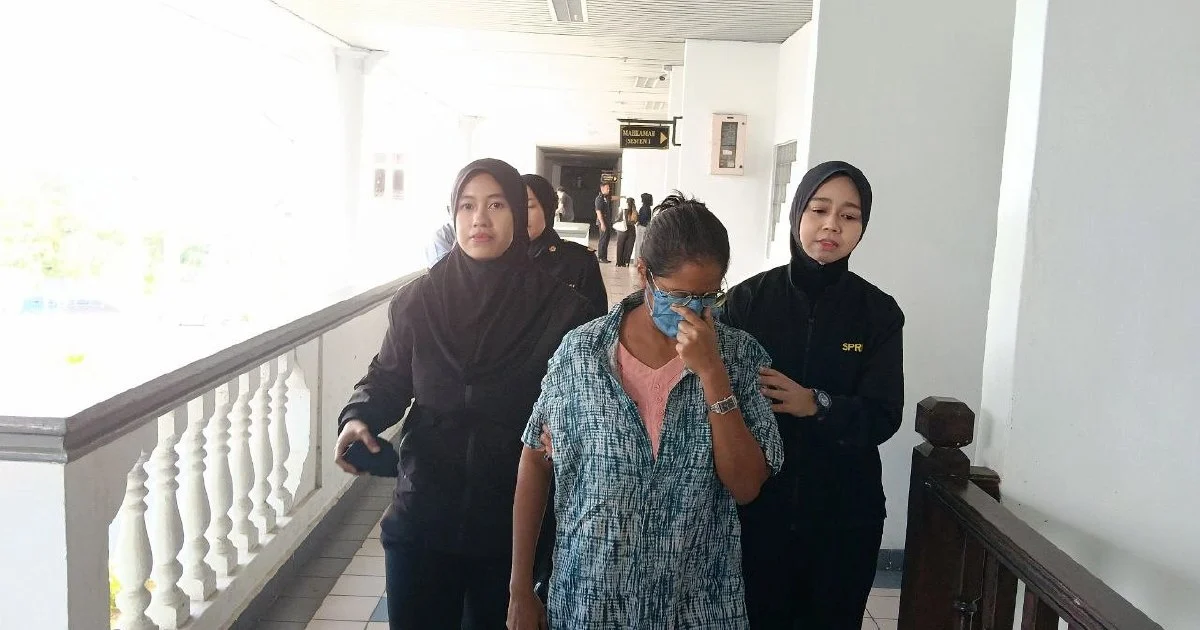
A former senior administrator in Melaka's civil service made an initial court appearance at the Ayer Keroh Sessions Court, where he confronted seven separate criminal charges pertaining to the unlawful appropriation of public funds and fraud targeting members of the state government's executive council. The amount in question exceeds RM60,000, marking a significant breach of public trust at a senior administrative level in one of Malaysia's key states.
The charges brought against the individual fall under provisions addressing financial misconduct, suggesting that investigators have gathered substantial evidence pointing to deliberate mishandling of funds entrusted to his care. Such cases involving state officials are treated with considerable gravity in Malaysia's legal system, as they strike at the integrity of public administration and erode public confidence in government institutions. The specificity of the seven separate counts indicates that authorities believe the wrongdoing was not isolated but rather part of a pattern of misconduct.
Melaka, as a state with significant historical and strategic importance alongside its economic contributions to Malaysia, depends heavily on the trustworthiness of its administrative apparatus. When senior civil servants breach this fundamental expectation, the implications ripple through government operations and public perception alike. The state has had to navigate various challenges in recent years, making the maintenance of institutional integrity particularly crucial for sustained public support and effective governance.
The involvement of executive council members as the aggrieved parties adds another layer of seriousness to the case. These individuals, who occupy senior positions within the state government, would have had legitimate expectations that any funds or resources entrusted to this official would be safeguarded and used according to proper procedures. The breach of this expectation by someone occupying a position of responsibility represents a fundamental violation of the duties inherent in public service.
Fraud cases involving public officials have become subjects of increasing concern across Malaysia's states and federal territories. Such prosecutions serve a dual purpose: holding individuals accountable for their actions while simultaneously sending a clear message to other civil servants about the expectations regarding financial propriety and ethical conduct. The Malaysian judiciary has consistently demonstrated its willingness to prosecute these cases vigorously, recognizing their corrosive effect on public institutions.
The RM60,000 threshold, while significant, should be understood within the context of public sector fraud cases. This amount suggests sustained misappropriation rather than a single incident of negligence or poor judgment. For an individual in a senior administrative position, managing such transactions would typically fall squarely within their official responsibilities, making the alleged misappropriation particularly troubling from an institutional accountability perspective.
The Ayer Keroh Sessions Court, which handled the initial proceedings, represents an appropriate venue for cases of this nature and severity. Sessions courts in Malaysia possess the jurisdiction to handle criminal matters of considerable complexity and financial magnitude. The defendant's first appearance would have involved confirmation of charges, explanation of rights, and determination of bail conditions—standard procedural steps in Malaysia's criminal justice framework.
For the broader Malaysian public and particularly for residents of Melaka, cases like this underscore the importance of robust oversight mechanisms within government institutions. Internal audit procedures, financial controls, and whistleblower protections all play crucial roles in preventing such situations from developing. When these safeguards fail to catch misconduct at early stages, the financial and reputational damage extends beyond the immediate parties involved.
The prosecution of this case will likely attract considerable attention in Melaka's political and administrative circles. The precedent it establishes regarding accountability for senior officials will influence perceptions of governance standards within the state. Additionally, the case may prompt other states to review their own financial oversight procedures and internal control systems to ensure similar breaches do not occur within their administrations.
From a Southeast Asian perspective, Malaysia's handling of such cases reflects broader regional trends toward strengthening anti-corruption measures and improving public sector accountability. Many neighboring countries have intensified their focus on combating public sector fraud, recognizing that institutional integrity is essential for sustained economic development and public trust in government.
The coming court proceedings will reveal the specific circumstances surrounding the misappropriation allegations and the mechanisms by which the funds were diverted. Whether the case involved false documentation, unauthorized transfers, or other methods of deception will emerge through the judicial process. Such details are important not only for determining guilt or innocence but also for understanding systemic vulnerabilities that need addressing.
For state government employees in Melaka and across Malaysia more broadly, cases involving the prosecution of colleagues serve as practical reminders of the serious consequences attached to financial misconduct. The personal cost to the accused—potential imprisonment, loss of livelihood, and social stigma—accompanies the institutional costs to the organization and public trust.
As the case proceeds through the courts, attention will focus on the evidence presented by authorities, the defense's response, and ultimately the judicial determination of responsibility. The outcome will contribute to the evolving jurisprudence surrounding public sector fraud in Malaysia and may inform future administrative and enforcement policies regarding financial controls within government agencies.

