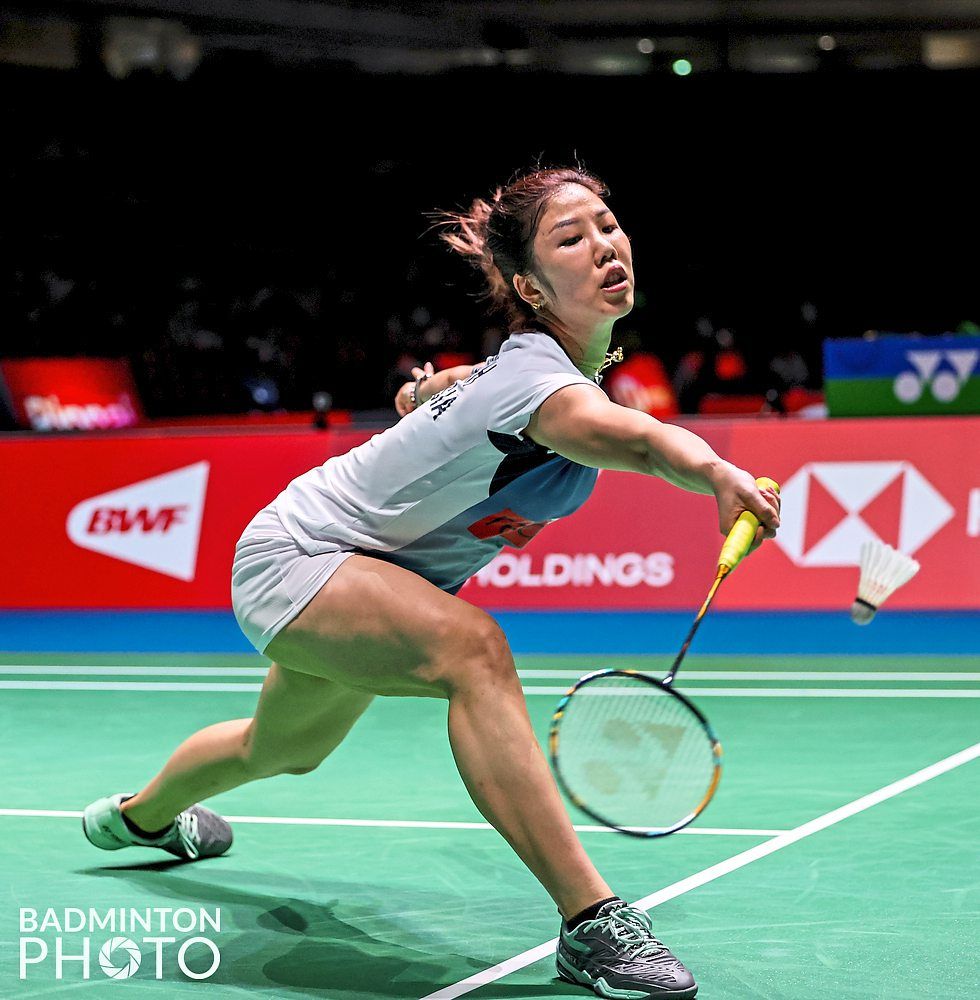
Former national women's singles shuttler Soniia Cheah has resigned from her position as sports director of the Kuala Lumpur Badminton Association, effective immediately. The decision concludes a tenure that lasted just four months, bringing her appointment cycle to an unexpected end despite holding a one-year contract signed in February.
Soniia, who was appointed to the role earlier this year, announced her departure from the post without disclosing specific circumstances. However, she indicated that her exit stemmed from fundamental disagreements regarding operational or governance matters within the organisation. While the 33-year-old remained circumspect about the exact nature of these issues, her statement made clear that continuing in the role would have required compromising on values she considers essential.
In a statement addressing her departure, Soniia explained that her decision followed careful reflection on her position within the association. She described her resignation as reflecting a personal stance on issues she believes warrant institutional attention, rather than a conflict with any individual team member or board official. This distinction suggests the dispute touched on broader systemic concerns rather than interpersonal friction with specific colleagues or leadership figures.
Despite the brevity of her tenure, Soniia expressed genuine appreciation for the players she coached during her time with the Kuala Lumpur squad. Her final assignment came during the Affin 100Plus Junior Elite Tour Finals, held last week at Stadium Juara in Bukit Kiara. Her engagement with the junior elite development programme appears to have been a meaningful aspect of her role, despite the organisational difficulties that prompted her exit.
Soniia's departure marks another development in the ongoing evolution of Malaysian badminton's coaching and administrative ranks. As someone intimately familiar with competitive badminton at the highest level, her concerns about principles within KLBA carry particular weight given her insider perspective. Her decision to resign rather than compromise suggests the issues she identified were substantial enough to override her commitment to the development programme.
The resignation of a former national champion from an administrative position sends ripples through the local badminton ecosystem. Soniia's playing career established her credentials as an ambassador for the sport's values and competitive standards. Her tenure as sports director, though truncated, positioned her to influence training methodologies and player development systems for Kuala Lumpur's junior elite athletes. Her early departure therefore represents a loss of continuity in that developmental pipeline.
Soniia's playing background included representing Malaysia at the Tokyo Olympics, cementing her status as one of the country's most accomplished female shuttlers. She reached the peak of Malaysian women's singles rankings and competed at the sport's most prestigious international stage. This pedigree made her appointment as KLBA sports director a logical choice, combining experience, technical knowledge, and credibility within the badminton community.
A chronic Achilles tendon injury ultimately ended Soniia's competitive career in 2022 following years of managing the recurring condition. The injury forced her retirement while still relatively young in athletic terms, preventing her from extending a career that had already achieved significant milestones. Her transition into coaching and administrative roles represented a natural pathway for athletes seeking to remain engaged with their sport after competing.
The swift conclusion to her tenure as KLBA sports director raises questions about the organisational culture and governance practices within the association. Soniia's willingness to forgo a full year's contract rather than remain in a compromised position suggests the principle-based concerns she referenced were not minor disagreements but substantive issues affecting her ability to operate effectively. Her public articulation of these concerns, while diplomatic, indicates she felt obligated to signal the existence of problems requiring institutional remediation.
For Malaysian badminton's development infrastructure, particularly at the junior elite level, Soniia's departure necessitates a leadership transition at a crucial moment. The quality of sports direction in junior programmes significantly influences player trajectory and competitive outcomes. Her background as a former elite player provided invaluable perspective on athlete development and training prioritisation that younger players require during their formative competitive years.
Soniia's decision to step down reflects a broader challenge facing sports organisations globally: balancing administrative efficiency with ethical standards and professional principles. Her action suggests that for some individuals, particularly those with established competitive credentials and career options, maintaining principled positions outweighs the benefits of retaining a prominent administrative title. This positioning may ultimately strengthen rather than weaken arguments for institutional reform.

