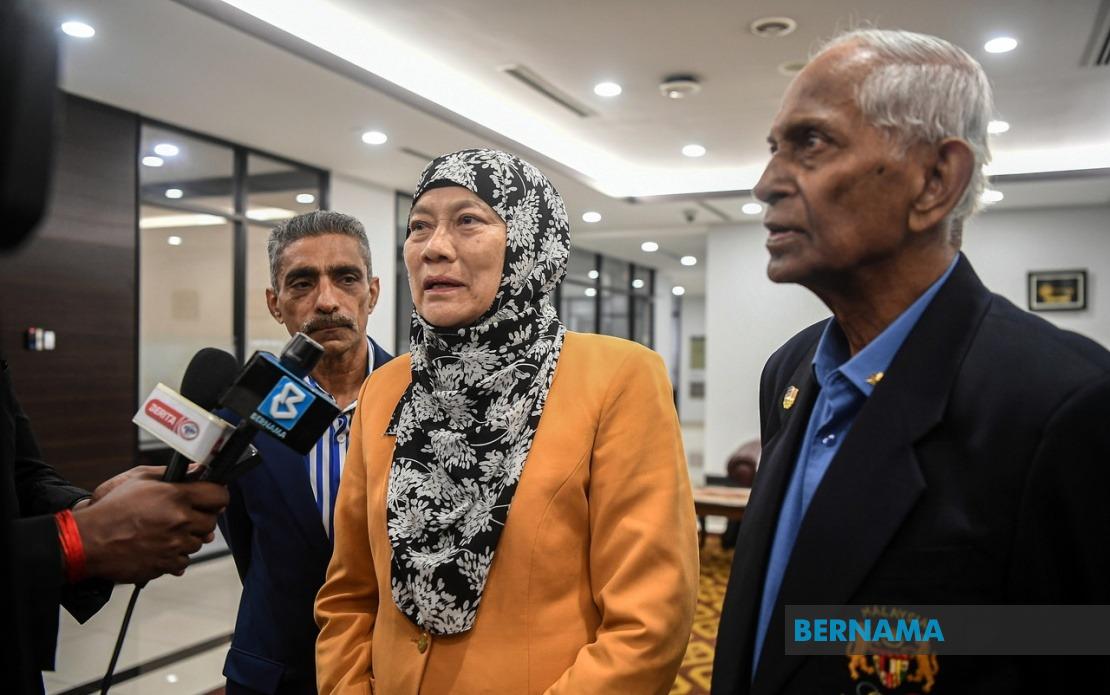
Malaysia Athletics faces mounting pressure to overhaul its administrative structure and bring its constitution into full alignment with World Athletics standards, a senior sports official warned on June 23. Datuk Zaiton Othman, the former Sports Commissioner and retired national athlete, expressed deep concern that governance lapses could trigger disciplinary action from the world body, threatening both the country's capacity to stage athletics competitions and its athletes' participation in sanctioned international events.
The stakes are considerable for Malaysian sport. Athletics consistently ranks among the highest medal contributors at the Southeast Asian Games, trailing only swimming and shooting in overall medal allocation. At the SEA Games, track and field events generate 47 gold medals, with prestige events including the men's and women's 100-metre sprints and the 4x100-metre relay capturing particular attention. Should Malaysia Athletics lose its standing with World Athletics, the consequences would reverberate across multiple fronts: the nation could be barred from organizing athletics competitions during its hosting duties at the 2027 SEA Games in Kuala Lumpur, while Malaysian competitors would be prohibited from entering World Athletics-sanctioned international competitions.
Zaiton, nicknamed the 'Iron Woman' during her competitive heptathlon career, articulated the urgency of the situation with blunt clarity. "Athletics is one of the sports that contributes the most medals in the SEA Games besides swimming and shooting. Our concern is that we are the host and we are not organising athletics. That's why we come forward to correct the situation," she remarked to journalists following a parliamentary meeting with Youth and Sports Minister Dr Mohammed Taufiq Johari. The delegation included Olympian Datuk Karu Selvaratnam and former National Athletes Welfare Foundation chairman Datuk Noorul Ariffin Abdul Majeed, underscoring that the governance concerns resonate across the broader Malaysian sporting establishment.
The constitutional discrepancies that triggered these warnings stem from structural misalignments between Malaysia Athletics' governing documents and those of World Athletics, the international regulatory authority. Any amendments or organizational decisions that deviate from World Athletics' constitution expose Malaysia Athletics to escalating enforcement action, commencing with formal warnings and potentially culminating in the revocation of its member status. This regulatory framework exists precisely to maintain consistent standards across national federations, ensuring fair competition and transparent governance worldwide.
The timing of these warnings aligns with administrative developments at Malaysia Athletics. In May, president Karim Ibrahim announced a temporary stepping aside from his leadership role ahead of the federation's scheduled Annual General Meeting, creating space for constitutional amendments designed to harmonize Malaysia Athletics' rules with World Athletics requirements. This procedural move appears intended to resolve long-standing compliance issues before they escalate into formal sanctions. However, the underlying governance challenges run deeper than simple procedural adjustments, requiring substantive structural reform.
Karim's own history adds complexity to the federation's governance narrative. He was suspended in 2018 by World Athletics—a decision later upheld by the Court of Arbitration for Sport after legal challenge—yet he retained eligibility to serve on the Asian Athletics Federation Executive Council through the 2019-2023 term. This distinction between personal sanctions and organizational authority has created an ambiguous governance landscape that Malaysia Athletics must now clarify and resolve through proper constitutional channels.
Zaiton emphasized that the concerns extend beyond administrative technicalities. Former athletes and competing Olympians who participated in the reform initiative worry that ongoing governance disputes could undermine the performance trajectory of national competitors. International competition success depends not only on training and talent development but also on seamless eligibility and participation within recognized international frameworks. When federations face compliance questions, athletes inevitably suffer reputational and practical disadvantages.
The Sports Development Act 1997 provides the legal foundation for ministerial and Sports Commissioner involvement in these matters. Although the government cannot directly micromanage sports associations' internal affairs—a principle essential to preserve athletic autonomy—the legislation grants regulatory authority to ensure that national sports bodies operate within established legal and constitutional parameters. This regulatory space permits intervention when federations drift from compliance standards, distinguishing between inappropriate political interference and legitimate governance oversight.
The Reformation in Sports and Excellence (RISE) initiative, represented in the parliamentary delegation, appears positioned to champion systemic improvements across Malaysian athletics administration. By bringing these concerns to the highest political levels and building consensus among former athletes and sports leaders, the reform movement seeks to establish momentum for transformative change rather than incremental adjustment. The approach reflects recognition that Malaysia Athletics' governance deficiencies require comprehensive structural solutions, not merely surface-level remedies.
For Malaysian sports stakeholders, the implications extend beyond athletics alone. How Malaysia Athletics navigates this governance crisis will establish precedent for other national sports federations facing World Governing Body compliance requirements. The federation's response to these warnings will demonstrate whether Malaysian sports can modernize their administrative frameworks proactively or whether the nation requires external regulatory pressure to achieve international standards. Success would strengthen Malaysia's position as a regional sports leader heading into 2027; failure would diminish the country's capacity to showcase its athletic talent during a Games it will host.

