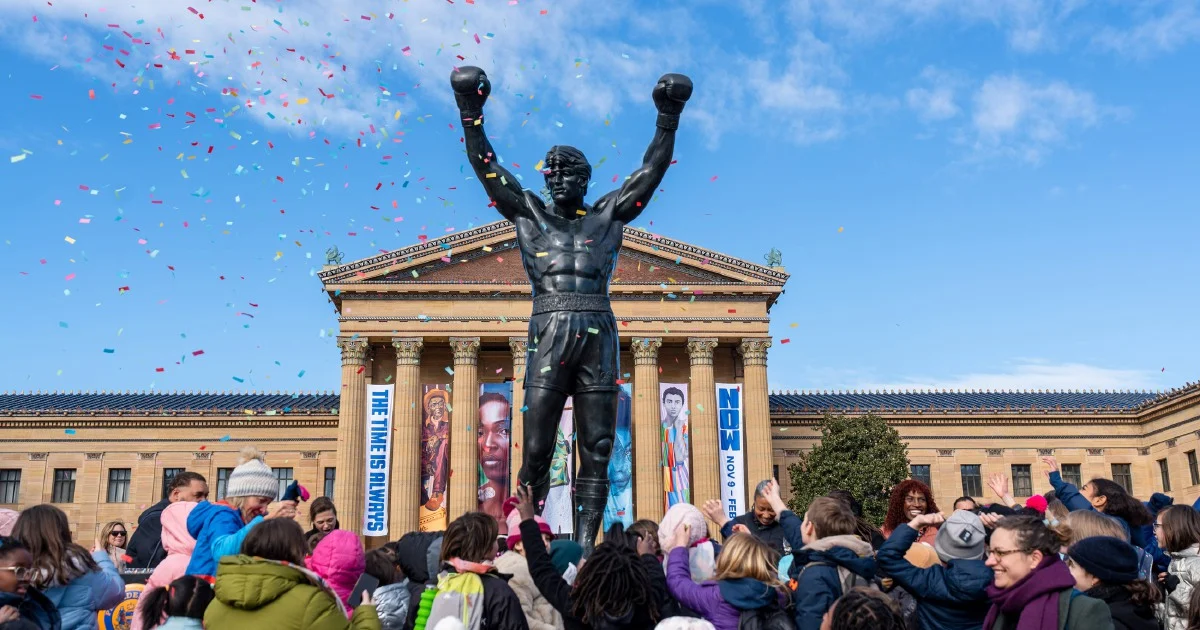
French supporters arriving in Philadelphia for the World Cup found themselves on the receiving end of an unusual piece of advice on Saturday: leave the iconic Rocky Balboa statue alone. The caution came following a series of disappointing performances by international teams whose fans had previously adorned the famous bronze monument with their national colours, prompting concerns that a genuine curse might be at work.
The Rocky statue, which stands as a beloved symbol of Philadelphia's sports culture and Hollywood heritage, has become an unexpected focal point in discussions about World Cup misfortune. The monument, which depicts the fictional boxer made famous by Sylvester Stallone's legendary film franchise, sits at the city's Museum of Art and draws millions of visitors annually. However, its association with international sporting setbacks has transformed it from a mere tourist attraction into something altogether more ominous in the eyes of superstitious supporters.
The pattern of misfortune is difficult to ignore for those inclined toward such beliefs. Multiple squads whose fans have decorated the statue with their team's colours or flags have subsequently encountered unexpected defeats and early eliminations from major tournaments. While coincidence remains the most rational explanation, the accumulating track record has been sufficient to prompt officials and venue managers to issue preventative warnings ahead of major sporting events involving international teams.
Philadelphia's sports community took the matter seriously enough to issue a formal advisory, recognising the intersection between popular culture, superstition, and the intensity of World Cup fever. The city, home to passionate sports fans with a reputation for vocal and colourful support, understood that French supporters might be tempted to mark the statue as they awaited their team's matches. Such gestures, while seemingly innocent and celebratory, allegedly trigger a pattern of negative outcomes for the decorated nations.
The warning to French fans represents a recognition that sporting events carry emotional and cultural dimensions that extend far beyond the playing field itself. For supporters from European nations, visiting iconic American landmarks and incorporating them into their pre-match rituals has become part of the World Cup experience. However, the Rocky statue has become a cautionary tale about where such traditions might lead.
The superstition surrounding the statue speaks to deeper psychological elements within sports culture. Fans invest enormous emotional energy and hope in their national teams, and the desperate search for explanations when disappointment strikes often leads to supernatural interpretations. Whether the Rocky curse represents genuine bad fortune or merely confirmation bias—where supporters selectively remember failures while forgetting successes—remains debatable among sceptics and believers alike.
For Malaysian and Southeast Asian observers, the story offers an amusing reminder of how international tournaments can blend sporting competition with cultural mythology. The World Cup's global reach means that stadiums and cities across continents become temporary stages for the world's football passions, complete with their own folklore and superstitions. Just as some players refuse to wash their jerseys during winning streaks or avoid certain foods before crucial matches, fans too develop beliefs about external factors influencing their team's fortune.
The Rocky statue incident also highlights the commercial and tourism dimensions of major World Cup tournaments. Philadelphia's embrace of its connection to this international event, even warning foreign supporters about local landmarks, demonstrates how hosting duties extend beyond infrastructure and accommodation. Cities become custodians of both the tournament's logistics and its cultural atmosphere, mediating between local traditions and the temporary but intense presence of international supporters.
French supporters arriving in Philadelphia brought with them not just passion for their team but also their own traditions and superstitions. The warning they received forced an explicit negotiation between their desires to celebrate their presence and the alleged risks of doing so. This tension between spontaneous expression and cautious restraint reflects the delicate balance that international tournaments must maintain.
The broader implications of such warnings touch on how modern sports culture absorbs and perpetuates folklore. In an era of scientific analysis and statistical performance metrics, the persistence of beliefs about curses and supernatural influences demonstrates that football remains, at its heart, a deeply human endeavour where emotion and belief hold considerable sway. Officials issuing cautions about the Rocky statue were simultaneously dismissing superstition while respecting its power over supporters' minds.
For the French squad itself, the warning likely provided an amusing distraction from tournament pressures. Whether players were aware of the curse or the advisory issued to their supporters remains uncertain, but the story captured the intersection of Hollywood mythology, sporting ambition, and international competition that makes the World Cup such a globally resonant event. The statue became not merely a tourist attraction but a character in the tournament's unfolding narrative.

