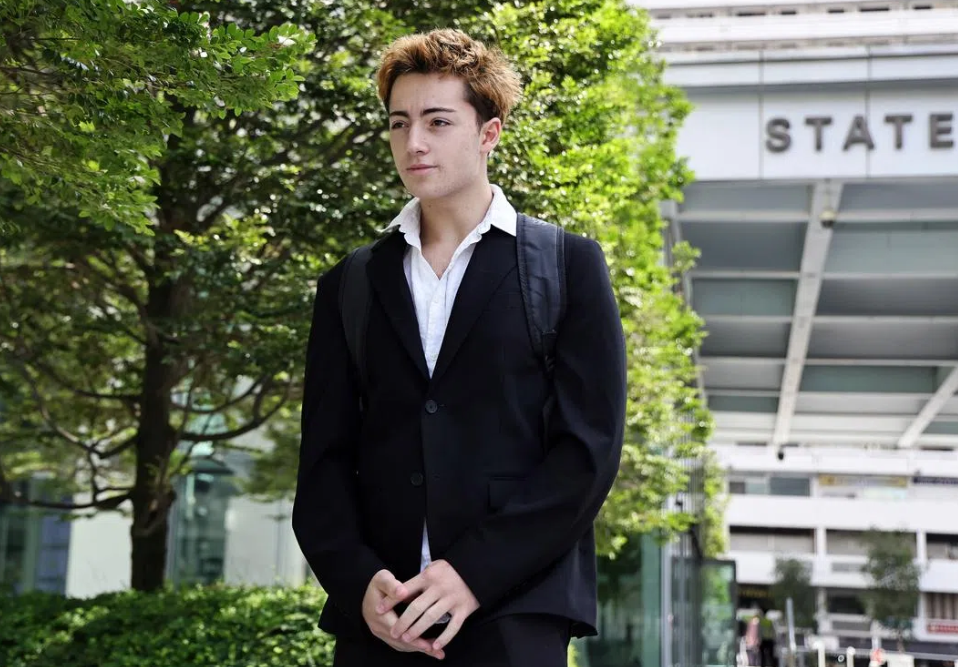
A 19-year-old French national residing in Singapore is expected to enter a guilty plea on July 13 to charges arising from a vending machine hygiene incident that captured public attention earlier this year. Didier Gaspard Owen Maximilien was charged in April with committing mischief and being a public nuisance, both offences stemming from an incident at Goldhill Centre on Thomson Road around March 12.
The case centres on allegations that Maximilien retrieved a straw from an iJooz vending machine—a unit specialising in freshly squeezed orange juice—and licked it before returning the item to the dispenser. The teenager subsequently recorded himself performing this act and disseminated the footage across social media platforms, where it rapidly gained traction among online users. The video's circulation coincided with the alleged date of the incident, generating significant concern among internet users who shared the content widely.
The viral nature of the video prompted a considerable operational response from iJooz, the vending machine operator. Company officials determined that hygiene protocols required the complete replacement of approximately 500 straws housed within the affected dispenser. This substantial restocking measure underscores the serious hygiene implications of the alleged contamination and the precautions deemed necessary to restore consumer confidence in the equipment. The financial and logistical burden imposed on the business became a material factor in the legal proceedings against Maximilien.
Under Singapore's legal framework, the charge of committing mischief carries potential consequences of imprisonment for up to two years, monetary penalties, or a combination of both sanctions. The secondary charge of being a public nuisance carries a maximum custodial sentence of three months, fines reaching $2,000, or both penalties. The dual charges reflect the seriousness with which Singapore authorities treat incidents that compromise public hygiene and generate widespread alarm in the community.
This case reflects broader concerns about food and beverage safety in shared public facilities. The incident highlights vulnerabilities in vending machine systems where products are accessed by multiple users, and the potential for deliberate contamination to pose both actual and perceived health risks. For Malaysian readers, the implications are particularly relevant given the prevalence of similar self-service food and beverage dispensers in shopping centres and transit hubs across the region.
The case also illustrates how social media amplification can transform a single incident into a matter of public concern with tangible consequences for businesses and their operators. The teenager's decision to film and share the video substantially exacerbated the impact of his actions, converting a hygiene violation into a widely distributed piece of content that damaged consumer trust in the specific vending machine and potentially raised questions about the safety of such facilities more broadly.
Maximilien's expected guilty plea suggests he may accept responsibility for his actions and cooperate with the judicial process. His age as a teenager and his status as a foreign national may be relevant considerations for the court during sentencing, though these factors typically do not excuse conduct that breaches public health standards or causes material loss to businesses.
The incident carries lessons for both consumers and operators of public food service equipment. For operators, it underscores the importance of security measures, regular maintenance protocols, and rapid response procedures when hygiene incidents occur. For consumers, it reinforces the reality that self-service facilities remain vulnerable to deliberate contamination despite their convenience.
In Southeast Asia, where food safety remains a persistent public health concern and where vending machine usage continues to expand, cases like this serve as cautionary reminders about the importance of maintaining strict hygiene standards and the potential consequences of violating them. The case also demonstrates how national legal systems take seriously any action that jeopardises public confidence in shared facilities and community health. Maximilien's anticipated guilty plea will likely conclude this particular matter, though the broader questions it raises about vending machine safety and social media's role in amplifying public incidents will continue to resonate across the region.

