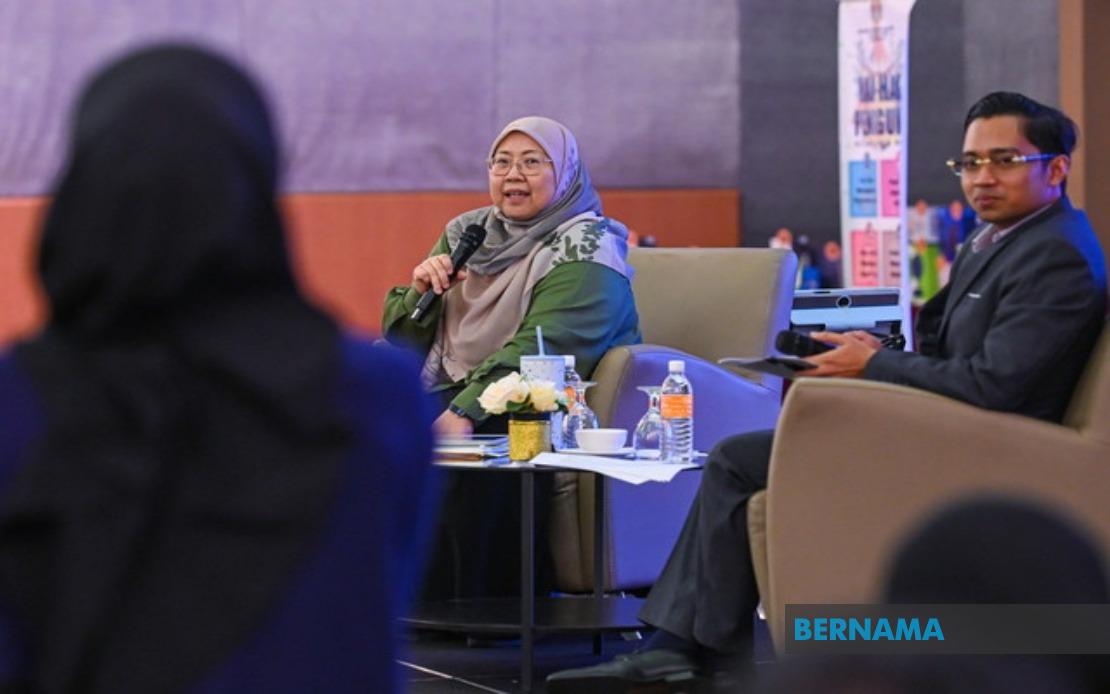
The Pakatan Harapan coalition is heading into the 16th Negeri Sembilan state election with what its leadership describes as strong momentum on the ground. PKR secretary-general Datuk Dr Fuziah Salleh expressed confidence in the coalition's campaign machinery during a visit to Seremban on July 24, highlighting the positive response candidates have been receiving from voters as the election approaches. The remarks underscore a sense of optimism within PH's ranks as the state prepares for early voting on July 28 and polling day on August 1.
Fuziah's assessment of the campaign reflects a structured approach to voter engagement tailored to different communities across Negeri Sembilan. The coalition has concentrated its messaging efforts on issues affecting rural populations in agricultural and smaller town areas, while addressing urban concerns about local infrastructure, services, and governance in cities and larger settlements. This targeted strategy suggests PH's recognition that state-level elections often turn on bread-and-butter issues specific to each constituency rather than broader national themes. The willingness to customise the campaign narrative indicates the machinery's maturity in understanding diverse voter priorities across the state's varied landscape.
Central to PH's confidence is the performance of Menteri Besar Datuk Seri Aminuddin Harun, who has led the state government for eight years and is contesting the Linggi state seat. Fuziah emphasised that the administration's accomplishments over this period have bolstered public confidence in renewing the coalition's mandate. The framing of the election as a referendum on past governance rather than a choice between competing visions reflects a strategy common among incumbents seeking to secure re-election by pointing to tangible achievements and stability rather than making promises about future performance. For PH, Aminuddin's tenure provides a concrete narrative that party officials can leverage when courting voters.
The engagement with university students in Seremban, where Fuziah held a town hall session, signals PH's effort to mobilise younger voters who may not be as firmly attached to traditional political networks. University campuses have historically been important battlegrounds in Malaysian state and federal elections, as the demographic is more likely to discuss political issues and influence peers. The coalition's deliberate outreach to this segment suggests an understanding that cementing youth support could prove decisive in closely contested seats or in shifting voting patterns among first-time voters.
Negeri Sembilan's electoral dynamics deserve scrutiny, as the state has been a relatively stable PH stronghold since the 2018 federal election but faces persistent competition from Barisan Nasional and other challengers. The state's mixed urban-rural composition means that campaign strategies must balance the concerns of city dwellers with those in smaller towns and rural constituencies. PH's reported success in both segments, if accurate, would provide a solid foundation for retaining control of the state assembly. However, the coalition's leadership acknowledging positive campaign reception may also reflect the natural inclination of politicians to project confidence rather than admit organisational shortcomings or weakness.
Fuziah's invocation of religious sentiment—saying "God willing, the people realise that they have benefited greatly" from PH's governance—demonstrates the spiritual and moral language that increasingly frames electoral competition in Malaysia. This rhetorical move appeals to voters' sense of divine guidance and collective well-being, placing the election within a broader framework of justified blessing and reward for good governance. Such framing is particularly potent in a state where Islam and religious observance remain important cultural touchstones for many voters.
The timing of the election, in the midst of the school holidays and during a period when many Malaysians prepare for the Islamic month of Ramadan, could influence voter turnout and engagement. Early voting on July 28 provides flexibility for those unable to vote on polling day, potentially increasing overall participation. PH's campaign timing and coordination with these factors suggests attention to practical aspects of electoral mobilisation beyond message and policy advocacy.
For observers of Malaysian politics, this election provides insight into how PH maintains support in state governments where it holds power. The coalition's emphasis on continuity, local responsiveness, and the achievements of incumbent administration reflects lessons learned from previous electoral contests. Whether these claims of campaign momentum translate into actual votes will become clear when results are tallied on August 1. The Negeri Sembilan contest also serves as a gauge of PH's broader electoral health and the extent to which it can retain state-level authority while navigating challenges at the federal level.
The coming weeks will test whether PH's optimism about voter sentiment aligns with actual electoral behaviour. Campaign enthusiasm, even when based on genuine grassroots responses, does not guarantee victory in competitive contests. Negeri Sembilan's voters will ultimately determine whether the coalition's eight-year record and campaign efforts meet their expectations and priorities.

