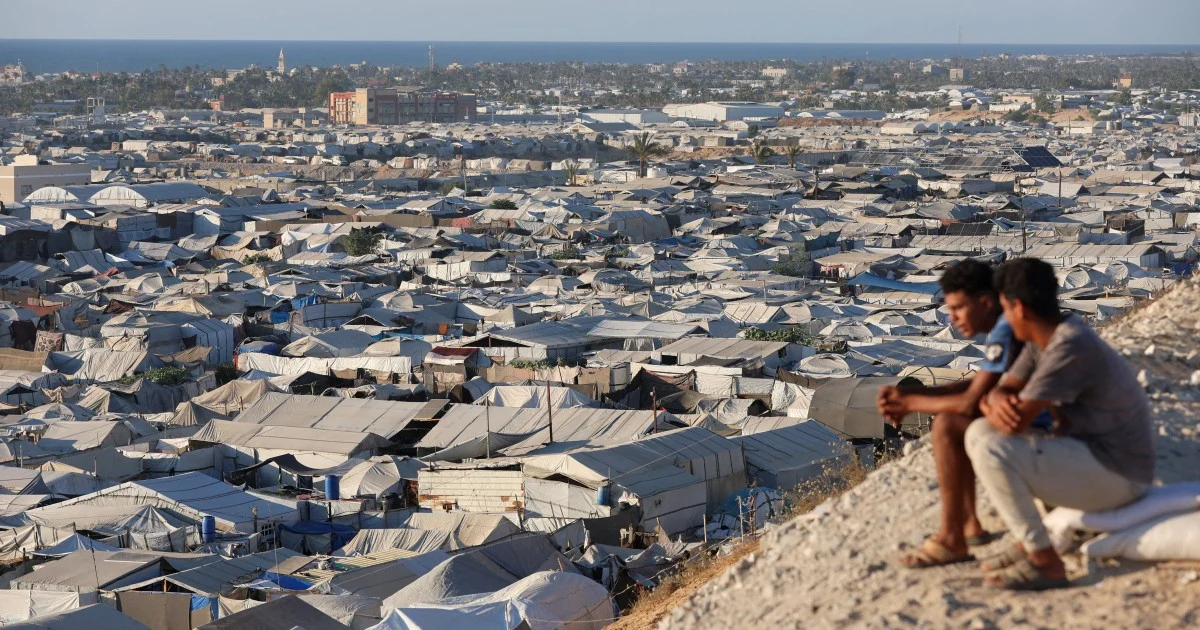
The United Nations delivered a scathing assessment of the ceasefire in Gaza on Tuesday, characterising it as a "deadly illusion" that has failed to shield children from violence and deprivation. Speaking from Geneva, UN officials highlighted that 265 children have been killed in the enclave since the ceasefire was officially declared more than eight months earlier, underscoring the disconnect between the formal cessation agreement and ground realities.
The stark admission reflects deepening frustration within the international humanitarian system over the inability to establish genuine peace in the territory. Rather than a cessation of hostilities bringing respite, the UN's assessment suggests that violence has continued unabated, with the most vulnerable populations bearing the heaviest toll. The framing of the ceasefire as an "illusion" carries particular weight coming from the world body, signalling not merely that it is fragile, but that it exists primarily in name while substantive conflict persists.
For Malaysian observers, the Gaza situation underscores broader challenges in international peace processes and the vulnerability of civilian populations, especially children, when formal agreements fail to translate into genuine security. Malaysia, as a non-permanent member of the UN Security Council and a nation with significant Muslim populations, has consistently advocated for Palestinian rights and humanitarian protection. This latest UN assessment reinforces arguments that ceasefire agreements require rigorous monitoring and enforcement mechanisms to prevent loopholes that allow suffering to continue.
The death toll among children is particularly alarming from a humanitarian perspective. Child casualties in conflict zones carry symbolic weight internationally, yet the persistence of such deaths eight months into a supposed ceasefire suggests either that the agreement lacks enforcement capacity or that underlying tensions remain unresolved. International humanitarian law stipulates special protections for children, yet these appear inadequately implemented in the Gaza context, raising questions about compliance and accountability mechanisms.
The UN's public criticism also reflects a shift in tone from international bodies that may have initially welcomed the ceasefire announcement. Rather than treating the agreement as a definitive endpoint, the organisation is now emphasising that formal arrangements absent genuine implementation constitute hollow victories. This distinction matters for regional stability discussions and future peace negotiations across the Middle East, where stakeholders must grapple with how to move beyond agreements that fail their fundamental purpose.
The eight-month timeframe is significant, as it suggests that initial hopes for consolidation and normalisation have given way to recognition of continuing dysfunction. During this period, it would be expected that humanitarian corridors would stabilise, reconstruction could begin, and security would improve measurably. Instead, the continued casualty figures indicate that children remain under threat, whether from sporadic violence, unexploded ordnance, inadequate medical care, or deprivation caused by disrupted supply chains and economic collapse.
For Southeast Asian nations monitoring the situation, the Gaza experience offers cautionary lessons about the difference between declared ceasefires and substantive peace. Regional disputes in Asia, from Myanmar to the South China Sea, often involve questions about how to move beyond formal agreements to genuine reconciliation and security guarantees. The Gaza model demonstrates the risks of allowing ceasefire declarations to substitute for comprehensive peace architectures that address root causes.
The UN's statement also implicitly criticises all parties involved in the conflict for failing to fully respect commitments made when the ceasefire was announced. Whether this reflects renewed fighting by armed groups, inability by governing authorities to maintain security, or external pressure destabilising the arrangement remains a matter of significant international debate. What is undeniable is that the formal agreement has not delivered the primary humanitarian outcome it should have achieved: protection of the civilian population.
The humanitarian costs extend beyond the casualty figures. Extended ceasefires that remain contested create prolonged instability that prevents fundamental reconstruction and psychological healing. Children who have lost family members or endured violence continue to live in fear and trauma even if active bombardment has subsided. The UN's critique implicitly demands that the international community move beyond celebrating ceasefire announcements and instead focus on measurable improvements in daily security, access to resources, and prospects for genuine recovery.
Moving forward, the UN assessment signals that incremental steps toward normalisation in Gaza are insufficient. The international community, including Southeast Asian nations that contribute to UN peacekeeping and humanitarian operations, must insist on mechanisms that transform ceasefire agreements into verifiable peace. This may require expanded monitoring, stronger enforcement protocols, and commitment to addressing the underlying political disputes that perpetuate the cycle of violence.

