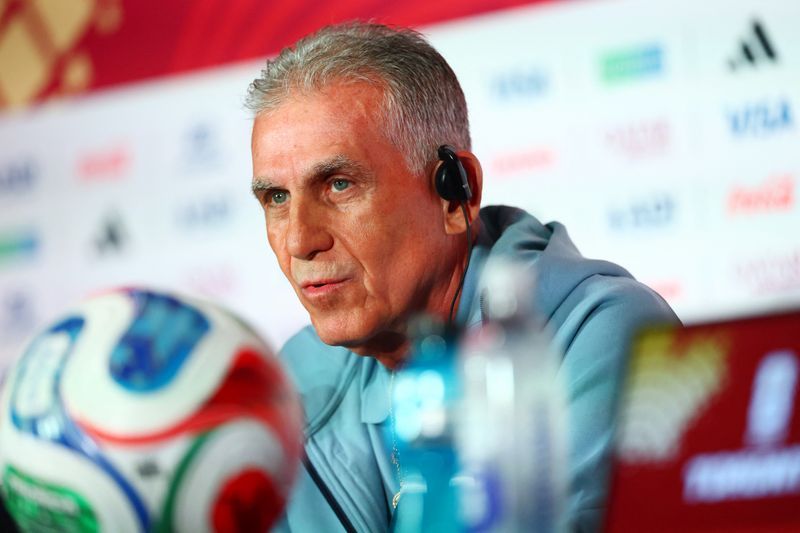
Ghana will face Panama in their World Cup Group L fixture at Toronto Stadium with Thomas Partey's availability still unresolved, coach Carlos Queiroz indicated on Tuesday as a Canadian federal court heard an appeal challenging the country's refusal to grant the midfielder entry. The outcome of the legal proceedings could influence Ghana's tactical approach heading into their crucial group-stage encounter scheduled for the following day, though Queiroz emphasised his team's readiness to proceed under either scenario.
The 73-year-old Portuguese coach maintained a measured tone when discussing Partey's situation, declining to elaborate on the circumstances surrounding the player's contested entry. Partey, who plays for Villarreal, has faced allegations of rape and sexual assault in Britain, charges which he has consistently denied. Queiroz deflected further questioning on the matter, suggesting that dwelling on extraneous issues would distract from his primary responsibility of preparing his squad for competition.
"We have our plan settled," Queiroz told assembled media, underscoring that his focus remained on deploying the resources available to him rather than engaging in commentary on matters beyond his control. This pragmatic stance reflects the coaching philosophy he has maintained throughout his career, prioritising tactical preparation over external controversies that might unsettle team morale or concentration.
With respect to the opposition, Queiroz delivered a comprehensive assessment of Panama's capabilities, characterising them as a well-organised and tactically disciplined outfit with considerable tournament experience. However, he was equally confident in Ghana's capacity to exploit vulnerabilities within the Central American side's system. The coach highlighted his team's technical strengths, citing their pace, skill level, and one-on-one prowess as potential avenues for creating scoring opportunities against a Panama defence that, while organised, could be exposed through Ghana's attacking fluidity.
Ghana's qualification pathway and recent form suggest they possess the offensive firepower to compete effectively in Group L. The squad combines established Premier League and European-based performers with tactical flexibility that can be adjusted based on opposition tendencies. Queiroz's confidence appears grounded in concrete assessment rather than mere rhetoric, reflecting his extensive experience managing national teams across multiple continents.
The coach also raised concerns regarding FIFA's mandatory hydration breaks, a new regulation introduced to manage player welfare during intense matches. While Queiroz acknowledged the ostensible health rationale underpinning the rule, he expressed scepticism about whether the decision genuinely prioritised player welfare or served competing commercial interests. His call for an integrity review after the tournament's conclusion signals unease among some coaching staff that marketing and broadcast considerations may have influenced policy-making at the highest levels of the sport.
This regulatory debate carries particular resonance for Southeast Asian nations competing in future FIFA tournaments, as hydration management protocols directly impact squad preparation and tactical implementation. Queiroz's willingness to challenge the reasoning behind such mandates reflects broader tensions within international football regarding the balance between player welfare, commercial imperatives, and sporting integrity.
The timing of Ghana's match against Panama in the highly competitive Group L presents both challenge and opportunity. A positive result could establish momentum within the group and improve Ghana's qualification prospects, making the Partey situation even more significant given his established standing as a midfielder capable of controlling possession and dictating play tempo. Conversely, Panama enters the fixture as experienced operators in continental competition, capable of troubling opponents through defensive solidity and counter-attacking transitions.
Queiroz's composure and strategic clarity suggest Ghana will approach the encounter with clear tactical objectives rather than reactionary gameplay. His emphasis on identifying Panama's weaknesses while leveraging Ghana's technical strengths indicates a team that has prepared thoroughly for multiple contingencies, including potential lineup adjustments if Partey's availability remains unresolved.
The broader implications of this fixture extend beyond immediate Group L standings. Ghana's performance against Panama could influence how other African nations and regional competitors assess their own World Cup preparation, particularly regarding squad depth and adaptability when key personnel face unexpected absences or complications. Queiroz's willingness to project confidence despite uncertainty surrounding a prominent squad member demonstrates leadership qualities that could ultimately prove decisive in Ghana's campaign.
As the Canadian court prepared to deliver its determination on Partey's entry appeal, Ghana's travelling contingent maintained preparation protocols and training routines designed to ensure readiness regardless of the legal outcome. This pragmatic approach, endorsed and articulated by Queiroz, reflects the professionalism expected at the highest levels of international competition where circumstances beyond immediate control demand flexible, solution-oriented responses from coaching staff and players alike.