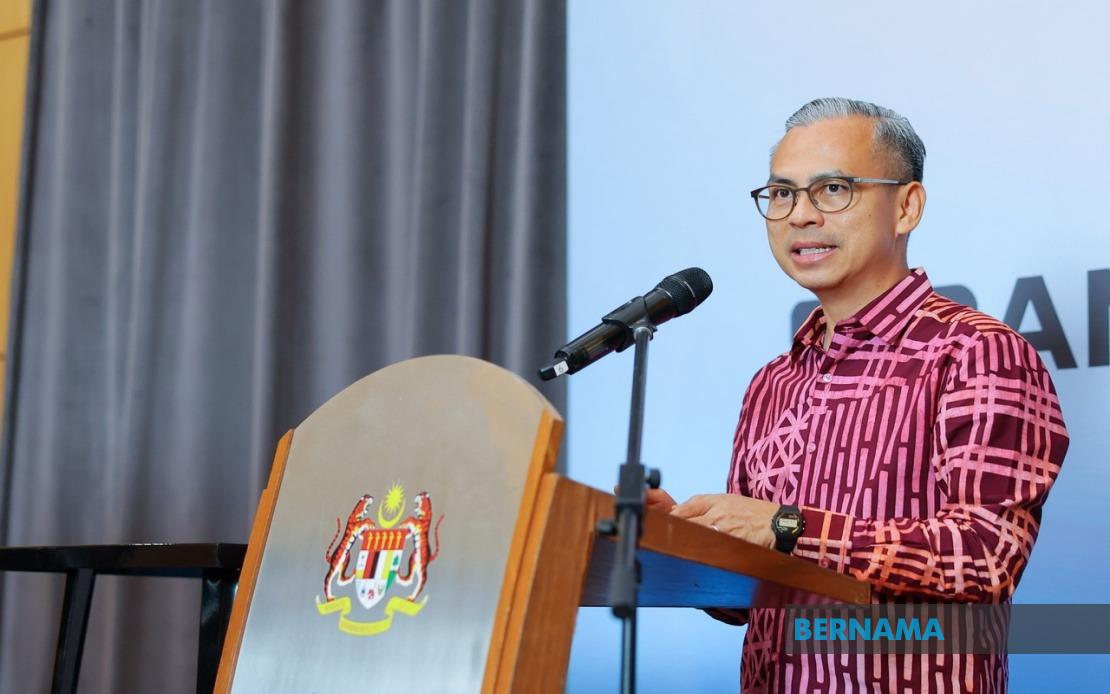
The Malaysian government has mobilised a comprehensive cross-agency response to the mounting menace of online fraud, establishing a dedicated working committee and technical unit tasked with coordinating efforts across multiple sectors. Communications Minister Datuk Fahmi Fadzil announced the formation of the initiative on July 2, explaining that the decision emerged from a Cabinet retreat that examined the troubling surge in scam-related incidents plaguing the nation's digital ecosystem.
This coordinated approach marks a significant shift in how authorities are attempting to address cybercrime, moving beyond isolated departmental efforts towards an integrated framework. The working committee will convene shortly and is designed to bring together representatives from numerous government ministries, agencies and enforcement bodies, establishing what officials describe as a more effective operational structure. The involvement of this diverse institutional landscape signals recognition that online fraud has become too widespread and complex for any single authority to manage alone.
What distinguishes this initiative is its unprecedented inclusion of the private sector at the strategic planning level. For the first time, financial institutions, telecommunications companies, and major digital platform operators—including the social media giants that host much of the scam activity—will participate directly in committee discussions and decision-making. Fahmi emphasised this partnership as essential to strengthening enforcement capabilities while simultaneously improving investigative techniques and legal frameworks governing digital safety.
The minister framed the committee's mission as fundamentally protective, aiming to create safer conditions for ordinary Malaysians navigating digital platforms in their daily lives. He outlined three interconnected domains where the government expects measurable improvements: enhanced law enforcement operations against scammers, modernised legislation to address evolving fraud tactics, and more sophisticated investigative methodologies that can keep pace with criminals' technological adaptations. This multifaceted approach acknowledges that effective crime prevention requires simultaneous action across legal, operational and technological dimensions.
Fahmi deliberately maintained confidentiality regarding specific strategies being developed, citing the obvious risk that detailed disclosure would alert criminal networks to law enforcement intentions. This measured transparency reflects uncomfortable reality in cybercrime policing: scammers actively monitor government announcements and news coverage to anticipate enforcement shifts. The minister's caution suggests that behind-the-scenes discussions have identified particular vulnerabilities or attack vectors that authorities wish to exploit without alerting perpetrators.
The government's decision to employ this cross-agency model draws on prior success in addressing child sexual exploitation crimes. Previous special operations targeting that heinous category demonstrated that coordinated multi-sector action, when properly resourced and strategically executed, could achieve significant breakthroughs. Officials believe similar methodologies and institutional arrangements will prove effective against the more economically damaging category of online fraud, which costs Malaysian citizens and businesses substantial sums annually and undermines confidence in digital commerce.
For Malaysia's technology and financial sectors, the committee's establishment carries important implications. Banks and telecommunications providers—the institutions through which most scams ultimately move funds or collect personal information—now have formal channels to communicate vulnerabilities and coordinate preventive measures with government authorities. This represents potential progress in addressing what has historically been fragmented communication between regulators and industry players, each operating within their respective frameworks with limited systematic coordination.
The timing of this initiative reflects growing public concern about online fraud's prevalence and severity. Malaysians have increasingly fallen victim to elaborate schemes spanning investment scams, romance fraud, credential harvesting, and impersonation attacks. The psychological and financial toll extends beyond individual victims to encompass broader erosion of public trust in digital platforms and electronic commerce. By visibly establishing institutional mechanisms to address the problem, the government signals commitment to restoring confidence in digital transactions.
However, this committee's ultimate effectiveness will depend substantially on execution rather than administrative structure alone. Law enforcement agencies must possess adequate technical expertise and funding to investigate sophisticated cybercrime operations. Telecommunications companies and social media platforms must cooperate meaningfully rather than provide token participation. Banks need to implement enhanced detection systems for suspicious fund movements. Prosecutors and courts must handle cases with appropriate speed and rigour. Creating committees proves relatively straightforward; ensuring their recommendations translate into tangible reductions in scam victimisation presents far greater challenges.
The involvement of social media platforms carries particular significance given that these services have become primary vectors for scam recruitment and victim contact. These companies' cooperation—genuine rather than performative—could substantially disrupt criminal operations by improving detection of fraudulent accounts, removing scam content faster, and providing better information to law enforcement investigators. Yet social media firms have historically resisted aggressive content removal policies and regulatory oversight, creating potential friction points where government intentions and platform practices may diverge.
For ordinary Malaysians, this institutional response offers modest reassurance that their concerns about online safety are being taken seriously at the highest policy levels. Yet individual vigilance remains paramount. No committee, regardless of its composition or mandate, can substitute for public awareness about common scam tactics, verification of unexpected communications purporting to come from banks or government agencies, and recognition of unrealistic investment returns or romantic propositions from strangers online.
The months ahead will reveal whether this initiative succeeds in moving beyond bureaucratic framework to deliver measurable improvements in scam prevention and perpetrator prosecution. The combination of government power, financial sector resources, and technological infrastructure access creates genuine potential for impact. Success would establish a model for coordinated response to other evolving digital threats. Failure would suggest that institutional barriers and competing interests continue to frustrate Malaysia's attempts to protect citizens in increasingly consequential digital spaces.

