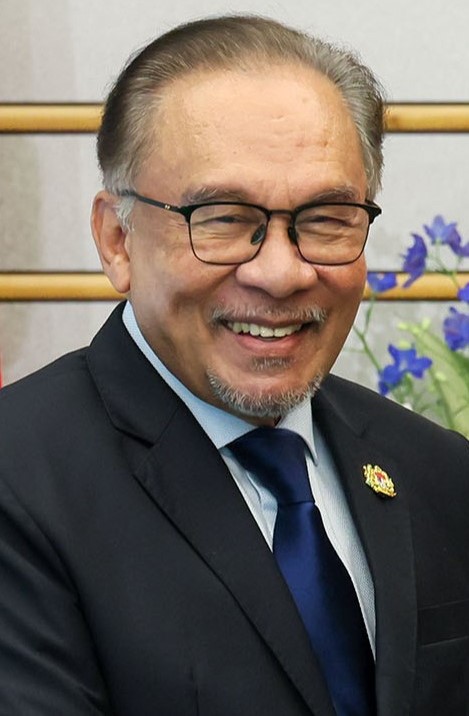
Malaysia's government has made a fresh appeal to citizens to demonstrate empathy and ethical conduct when engaging with discussions about the Rohingya population residing within the nation, as mounting public discourse and increased media coverage bring the issue into sharper focus across the country.
The intervention from Putrajaya reflects broader tensions within Malaysian society surrounding one of Southeast Asia's most pressing humanitarian dilemmas. The Rohingya crisis, which began decades ago in Myanmar and escalated dramatically with mass displacement in 2017, has created complex challenges for host nations including Malaysia, which currently provides refuge to hundreds of thousands of stateless individuals from the persecuted ethnic group.
Government officials are navigating difficult terrain. On one hand, Malaysia has positioned itself as a supporter of persecuted minorities, with considerable Rohingya populations in cities like Kuala Lumpur and Penang. On the other hand, the country faces legitimate concerns from citizens about resource allocation, labour market competition, security screening, and the sustainability of supporting such large refugee populations indefinitely.
The appeal to prioritize compassion comes at a moment when public sentiment has become increasingly vocal and polarized. Social media platforms have amplified diverse viewpoints, from those emphasizing humanitarian obligations to those raising concerns about absorption capacity and societal integration. Media outlets have similarly given prominence to various angles of the story, sometimes fuelling rather than moderating debate.
Malaysia's position is particularly delicate because the country has no formal refugee framework and does not recognize the 1951 Refugee Convention, meaning the Rohingya lack official status despite widespread international acknowledgment of their need for protection. This legal ambiguity allows the government to provide de facto protection while maintaining formal distance, a precarious balancing act that requires both administrative pragmatism and humanitarian consistency.
The government's messaging attempts to stitch together seemingly contradictory priorities. Officials must simultaneously assert that Malaysia takes its legal obligations seriously—enforcing immigration controls, conducting security vetting, and managing settlement conditions—while also insisting that the nation will not abandon vulnerable people facing potential persecution or destitution. This requires sustained public education about the complexity of the situation.
For Malaysia specifically, the Rohingya challenge carries regional and religious dimensions. As a Muslim-majority nation with significant Islamic civil society organizations, Malaysia has faced expectations to lead humanitarian efforts for the persecuted Muslim minority. Yet doing so must be balanced against the interests of Malaysian citizens and the country's own development priorities. The government's call for compassion is therefore partly directed at religious and civil society groups to shoulder responsibility alongside state institutions.
The economic dimension cannot be ignored. Many Rohingya work informally in Malaysian labour markets, creating both competition with low-skilled Malaysian workers and filling gaps that employers struggle to fill through other means. Public sentiment often reflects anxiety about wages and job security, even if data on actual displacement remains contested among researchers. Addressing this requires not just appeals to compassion but concrete policies on labour regulation, skills training, and economic integration.
Integration challenges extend beyond economics. Educational access, healthcare, housing standards, and community cohesion all present practical difficulties that demand sophisticated policy responses. When these dimensions of daily life create friction within Malaysian society, compassion alone proves insufficient; effective governance structures must accompany ethical commitments.
The government's position also reflects Malaysia's international standing. As an ASEAN nation, Malaysia engages with international organizations and other countries on humanitarian issues. The approach taken toward Rohingya populations influences Malaysia's credibility on regional security, migration, and human rights questions. The appeal for internal compassion therefore carries diplomatic significance beyond the domestic sphere.
Looking forward, sustained management of the Rohingya situation requires moving beyond episodic appeals to compassion toward institutionalized frameworks that embed ethical considerations into policy. This might include clarifying the legal status of Rohingya in Malaysia, establishing transparent systems for humanitarian assistance, creating pathways for livelihood development, and fostering inter-community dialogue that acknowledges legitimate concerns on all sides.
The government's reminder that humanity and law must coexist reflects recognition that neither alone suffices. Pure legalism risks abandoning vulnerable people; pure humanitarianism without framework risks unsustainable outcomes that ultimately harm both Rohingya and Malaysian society. Finding that equilibrium requires ongoing dialogue, evidence-based policymaking, and the willingness of all stakeholders—government, civil society, media, and ordinary citizens—to engage thoughtfully with one of the region's most intractable challenges.