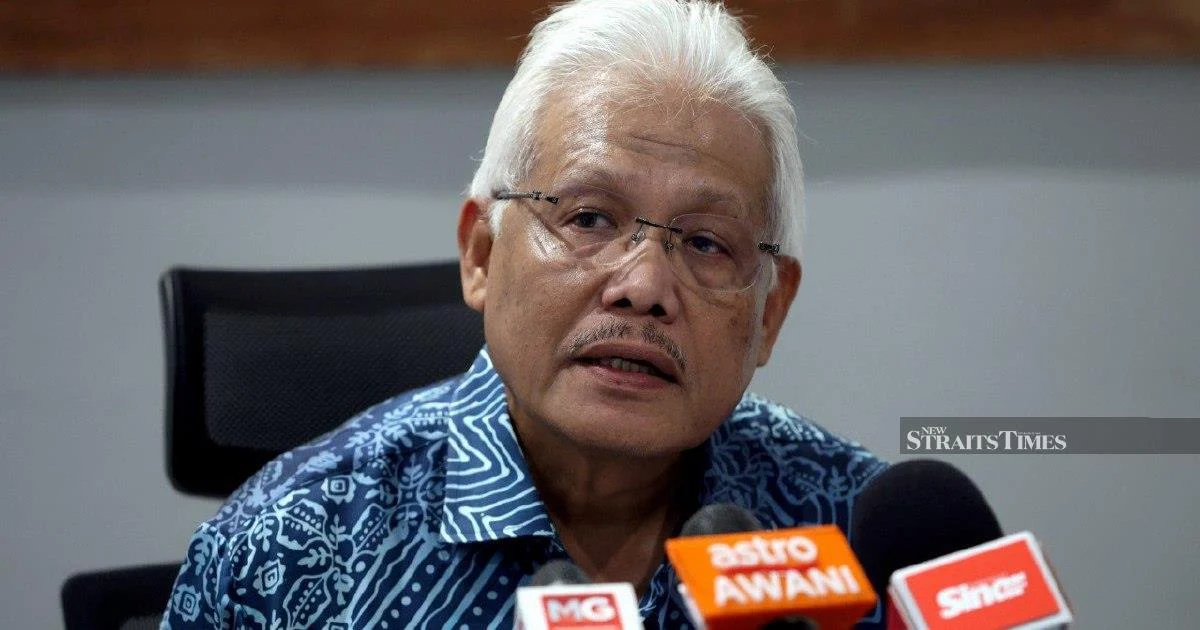
Parti Wawasan Negara, which recently changed its name from Parti Cinta Malaysia, has signalled an ambitious political agenda centred on reconciling two of Malaysia's most significant Malay-Muslim political organisations. Under the leadership of Hamzah Zainudin, the party intends to position itself as a bridge connecting Pas and Umno, two historically rival institutions whose friction has reshaped Malaysian electoral dynamics in recent years. This intermediary role represents a strategic calculation that bridging the ideological and organisational gulf between these heavyweights could serve the broader national interest by preventing destructive internal rivalries within the Malay-Muslim political sphere.
The rebranding from Parti Cinta Malaysia to Parti Wawasan Negara signals a deliberate shift towards a more expansive, nation-centric political identity. Where the previous name emphasised love for Malaysia, the new designation points to a comprehensive national vision, suggesting the party intends to frame its mission in terms of overarching governance principles rather than narrower communal appeals. This nomenclatural choice reflects contemporary political positioning, where parties increasingly invoke national interest rhetoric to justify their existence and justify interventions in rival relationships. For Hamzah Zainudin, this reframing provides clearer ideological justification for the party's stated role as a unifying force.
Pas and Umno's trajectory over the past two decades illuminates why such a bridging initiative holds political significance. Once organisationally and strategically aligned within the Barisan Nasional framework, the two parties diverged substantially following the 2018 general election. Umno's temporary loss of federal power prompted soul-searching and reorganisation, while Pas consolidated electoral gains in several states and strengthened its ideological distinctiveness. Their competition for the same voter base—predominantly Malay and Muslim—has intensified, with each party claiming superior legitimacy in representing community interests. This competition, while characteristic of democratic systems, has occasionally manifested in zero-sum politics that marginalises moderate voices and pushes both parties towards ideological hardening.
Hamzah Zainudin's political background makes his new party's intermediary ambition noteworthy. As a former Deputy Prime Minister and senior Umno figure, he brings establishment credibility and insider knowledge of that party's machinery and thinking. His decision to establish a separate platform rather than remain within Umno suggests either personal political calculations or genuine conviction that a neutral third party could more effectively facilitate reconciliation. The creation of Parti Wawasan Negara might reflect frustration with Umno's current trajectory or a belief that fresh leadership and organisational structures could unlock pathways to unity that traditional party channels have failed to produce.
The potential benefits of such bridging efforts merit serious consideration. Sustained conflict between Pas and Umno fragments the Malay-Muslim political constituency, potentially reducing collective negotiating power in federal politics and complicating coalition-building at state and national levels. Investors and international observers frequently cite Malaysian political stability as contingent on managing intra-community tensions effectively. Moreover, excessive focus on intra-community competition diverts attention and resources from competing against other political forces, potentially disadvantaging the Malay-Muslim political sphere in broader electoral competition. From this perspective, Hamzah Zainudin's unifying ambition addresses genuine structural weaknesses in current Malaysian politics.
However, the practical challenges confronting Parti Wawasan Negara's bridging mission are formidable. Both Pas and Umno have invested heavily in organisational development and ideological differentiation; neither party will readily cede ground or merge interests based on arguments from external actors, regardless of those actors' credentials. Pas leadership, particularly its Erdoğan-admiring faction, maintains distinct theological and political commitments that diverge fundamentally from Umno's more secular, establishment-oriented posture. Meanwhile, Umno remains protective of its institutional privileges and resistance to ideological compromise. Hamzah Zainudin would need exceptional diplomatic skill and substantive incentives to overcome these structural obstacles.
The Malaysian electorate's reception to this initiative remains uncertain. Voters have grown increasingly sophisticated in distinguishing between genuine bridge-building and opportunistic positioning. If Parti Wawasan Negara is perceived primarily as a personal vehicle for Hamzah Zainudin's political ambitions cloaked in unity rhetoric, public credibility will suffer accordingly. Conversely, if the party demonstrates consistent commitment to facilitating dialogue and identifying genuine points of commonality between Pas and Umno, it could attract reform-minded supporters from both organisations who are frustrated with current divisiveness.
Regional implications also merit consideration. Malaysia's political stability has broader Southeast Asian significance; a successful model for managing intra-community political tensions might offer instructive lessons for Indonesia, Thailand, and other nations grappling with similar dynamics. Additionally, if Parti Wawasan Negara successfully unites Malay-Muslim political forces, this could reshape Malaysia's federal equilibrium and influence geopolitical positioning within ASEAN.
The financial resources available to Parti Wawasan Negara will substantially determine its efficacy. Bridging deeply entrenched political divisions requires sustained, high-quality engagement operations—research, dialogue facilitation, media outreach, and grassroots organising. Without adequate funding and institutional capacity, the party risks remaining a marginal political actor whose stated ambitions exceed its practical influence. Hamzah Zainudin's political network and potential donor base might partially address these constraints, but nascent parties typically struggle with resource limitations during early phases.
Moving forward, the success of this intermediary project will depend less on Parti Wawasan Negara's internal organisational strength than on whether Pas and Umno leadership perceive genuine mutual benefit in reconciliation. Until substantive incentives emerge that make unity more attractive than competition, symbolic bridging efforts alone will achieve limited results. Whether Hamzah Zainudin's new party can transform political rhetoric into institutional reality remains the defining question for this ambitious venture.

