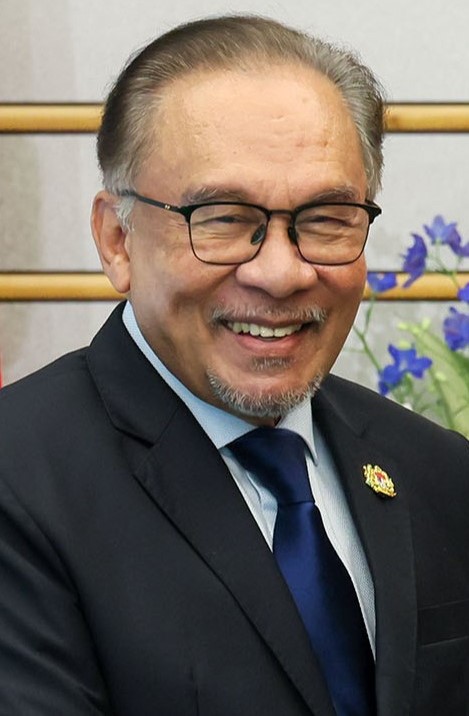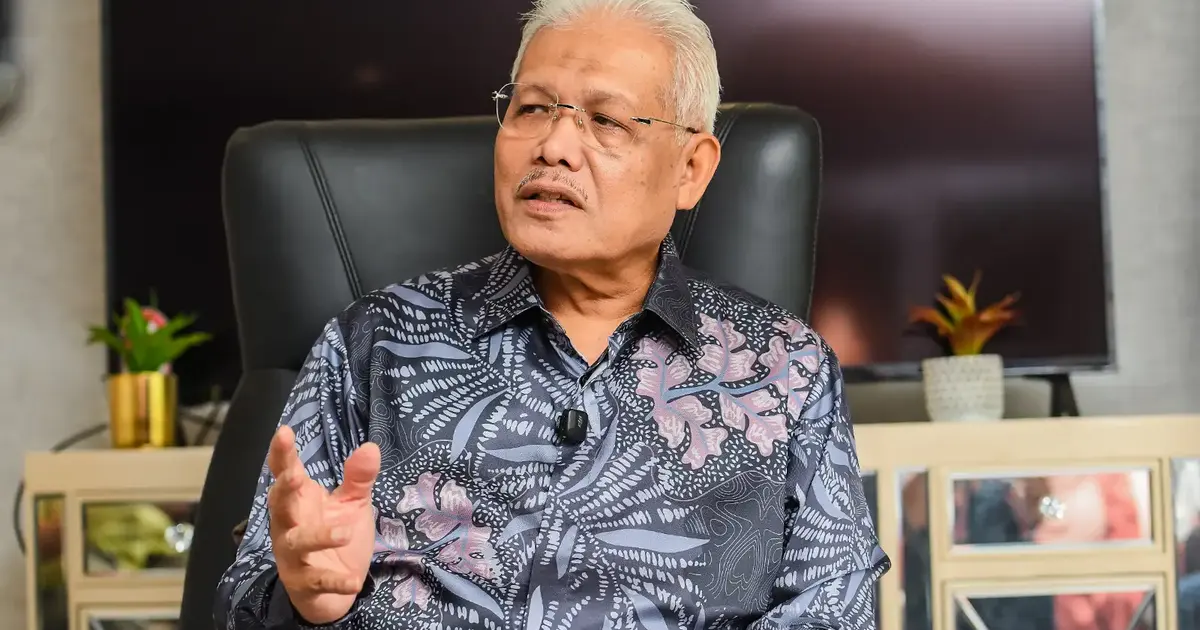
Hamzah Zainudin's emergence as a prominent figure within Perikatan Nasional represents a calculated political manoeuvre designed to reshape how the PAS-led coalition presents itself to the Malaysian electorate. Political observers and analysts tracking the opposition alliance note that the coalition leadership views Hamzah as instrumental to crafting a campaign narrative centred on moderation and inclusive governance—a deliberate departure from the more hardline positioning that has defined much of PN's political messaging in recent years.
The strategic deployment of Hamzah as a public-facing leader carries significant implications for how PN intends to compete in the sixteenth general election. Rather than relying exclusively on the Islamic-centric platform that characterises PAS's core messaging, the coalition appears intent on projecting a broader, more inclusive political identity that can appeal to Malaysia's diverse voter base across different regions, income levels, and demographic groups. This diversification of political appeal addresses a longstanding electoral vulnerability for PN, which has struggled to break through among urban, younger, and non-Malay voters who remain sceptical of the coalition's religious focus.
Analysts observe that Hamzah's political positioning and public persona align well with this moderate rebranding effort. His track record and communication style stand in contrast to more polarising figures within the coalition, allowing PN to emphasise economic competence, administrative efficiency, and pragmatic policymaking rather than ideological purity. This calculated image management reflects a sophisticated understanding among PN strategists that electoral victory at the national level requires broader coalition-building than core supporters alone can deliver.
The timing of Hamzah's elevated role within PN's hierarchy coincides with broader shifts in Malaysian electoral politics. Recent polling and electoral analysis suggests that Malaysian voters increasingly prioritise economic stability, cost-of-living relief, and effective governance over single-issue campaigns. By positioning Hamzah—a figure associated with administrative competence rather than religious or ideological rigidity—as a central campaign figure, PN is attempting to reframe the electoral conversation around these pragmatic concerns that resonate across PN's target constituencies.
This moderate positioning strategy also reflects PN's assessment of the political landscape shaped by recent electoral competitions and shifting coalitional dynamics. The Perikatan Nasional coalition currently faces competition not only from Pakatan Harapan but also from an increasingly fragmented political environment where independent candidates and smaller parties gain traction. Presenting a moderate, business-friendly image through figures like Hamzah potentially helps PN capture swing voters and middle-ground constituencies that might otherwise gravitate toward Barisan Nasional or remain undecided.
However, observers note that this moderate rebranding carries internal tensions within the PN coalition structure. PAS, as the largest component party, maintains its own institutional interests and ideological commitments that may not always align smoothly with a broader moderate campaign narrative. The balance between accommodating PAS's religious and moral conservative agenda while simultaneously projecting moderation to a wider electorate presents an ongoing strategic challenge that could complicate campaign messaging as GE16 approaches.
The deployment of Hamzah as a campaign frontman also responds to criticisms that have dogged PN since its formation regarding governance capacity and administrative readiness. By elevating a figure perceived as capable and administratively oriented, the coalition seeks to counter narratives suggesting it lacks the institutional depth and governmental experience necessary to manage a complex, modern economy. This perception management extends to international audiences and foreign investors who monitor Malaysian political stability closely.
Regional political dynamics add another dimension to this calculation. Southeast Asian governments increasingly scrutinise Malaysian political parties' economic policies and stability commitments. A PN campaign emphasising moderation and competent administration through Hamzah's public positioning potentially reassures regional and international stakeholders about political continuity and predictable governance—factors that influence foreign investment flows and Malaysia's standing in regional forums.
Despite these strategic considerations, the success of PN's moderate rebranding depends substantially on whether this narrative resonates with target voter segments and whether internal coalition dynamics permit consistent message discipline throughout the campaign period. Voter perceptions, shaped by long exposure to PN's previous positioning and organisational culture, may resist reframing efforts despite elite-level strategic repositioning. The coalition faces the challenge of convincing sceptical voters that this moderation represents genuine ideological evolution rather than tactical opportunism.
Moving toward GE16, Hamzah's elevation within PN's campaign architecture signals clear strategic intent: the coalition is attempting to capture electoral territory positioned between Pakatan Harapan's perceived progressivism and Barisan Nasional's institutional legacy by offering a middle path emphasising competent administration and inclusive governance. Whether this positioning ultimately translates into improved electoral performance will substantially depend on whether PN can maintain message consistency and whether Hamzah's personal political standing proves sufficient to overcome deeper coalitional challenges and voter scepticism accumulated over preceding electoral cycles.