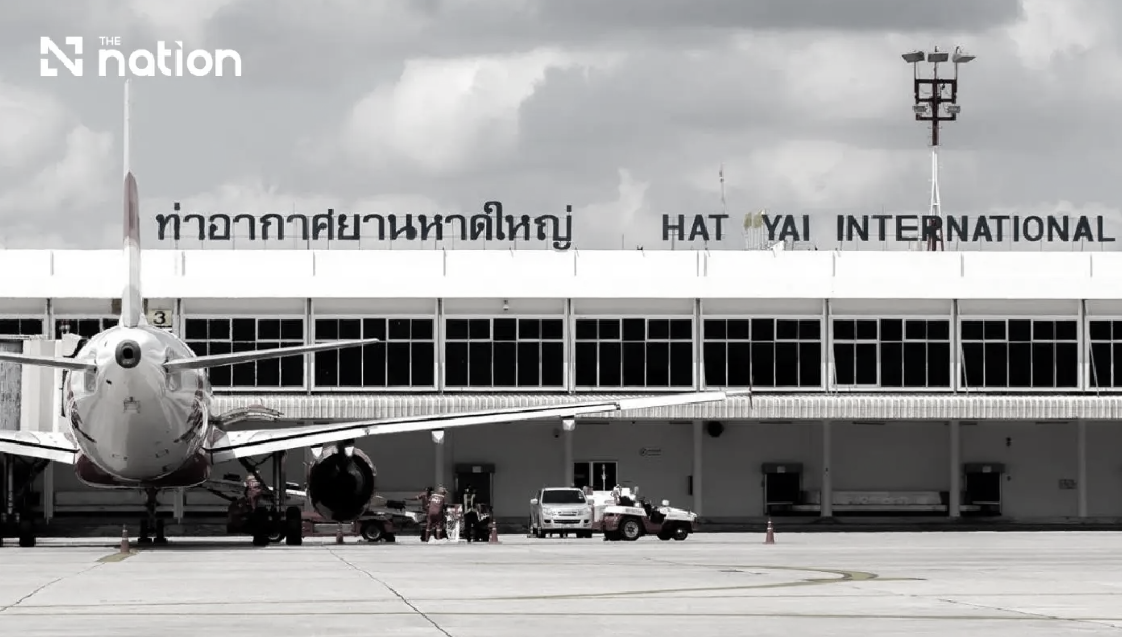
Hat Yai International Airport's primary runway came to a standstill on Wednesday afternoon following an incident involving an airport fire engine, disrupting air traffic and requiring several arriving flights to be redirected to alternative destinations. The temporary closure of Runway 26 triggered operational disruptions across the southern Thai aviation hub, with airport authorities issuing immediate notices to inform affected carriers and passengers of the unexpected suspension.
Runway 26 remained closed from 1.55pm until 4.30pm on June 17, 2026, according to the NOTAM—a formal aviation notice—released by the airport. During this three-and-a-half-hour window, the facility suspended all landing operations as airport officials worked to secure and manage the incident area. The decision to implement a full closure underscores the protocols governing runway safety, where any potential hazard must be thoroughly investigated before normal operations resume.
The incident created a domino effect across flight operations, leaving passengers stranded at their departure points or uncertain about their travel plans. At least two confirmed flights were diverted that afternoon: Thai Airways International flight TG263 and Thai Lion Air flight SL712, both originally scheduled to land at Hat Yai. Flight-tracking data from Flightradar24 revealed the real-time rerouting as both aircraft instead proceeded to Krabi Airport, approximately 150 kilometres away on the west coast of the peninsula.
Passengers aboard affected services experienced unexpected delays and changes to their itineraries. The airport advised all travellers to remain in close contact with their respective airlines for updates, as circumstances surrounding the closure meant that flight schedules could shift rapidly. For those with connections or time-sensitive engagements, the diversion introduced significant complications and uncertainty.
When contacted by concerned relatives about the sudden inability of aircraft to land, Hat Yai Airport officials acknowledged that an emergency situation had developed, though they initially refrained from providing comprehensive details about the nature of the incident. This information vacuum during the early stages of the disruption left many passengers and their families with limited clarity about what had occurred or how long delays might persist. The gradual release of information reflected standard crisis communication practices, where authorities prioritize securing the airfield before offering detailed public statements.
The involvement of an airport fire engine in the accident raises questions about ground operations coordination and safety protocols during emergency response activities. Fire engines and emergency vehicles at airports operate under strict procedures precisely to prevent such incidents, and their involvement in an accident that forced runway closure highlights how even routine emergency preparedness equipment can create disruptions when mishaps occur. The specific circumstances surrounding the fire engine accident remained unclear from available statements.
Thai Airways flight TG263 eventually touched down safely at Krabi Airport without incident, providing some relief to passengers aboard that service. While the diversion added time and inconvenience to their journeys, the aircraft and all personnel reached their alternate destination without further complications. This successful outcome demonstrated that despite the operational disruption, safety protocols held firm throughout the incident.
For Hat Yai International Airport, such incidents underscore the cascading effects that arise when major operational assets become temporarily unavailable. The facility serves as a crucial transportation node for southern Thailand, handling significant volumes of both domestic and international traffic. The closure, though relatively brief, highlighted the vulnerability of aviation infrastructure to unforeseen operational challenges and the importance of having contingency plans and alternative airports within reasonable distance.
The diversion of flights to Krabi Airport, while necessary under the circumstances, placed additional burden on that facility and its handling services. Passenger transfers, baggage management, and ground transportation coordination all required rapid adjustment to accommodate the unexpected influx of aircraft and travellers. Such situations test the resilience and flexibility of regional aviation networks.
For Malaysian readers and Southeast Asian travellers using these southern Thai gateways, the incident serves as a reminder of the occasional disruptions that can affect regional air travel. While such occurrences remain relatively infrequent, they underscore the importance of building flexibility into travel plans when routing through smaller regional airports and maintaining regular communication with airlines during journeys. The swift return to normal operations at Hat Yai by late afternoon demonstrated the effectiveness of airport emergency protocols in managing such situations.
The fire engine accident at Hat Yai reflects broader questions about maintenance and operational safety for ground support equipment at airports across the region. Most Southeast Asian aviation hubs have implemented rigorous safety management systems, yet incidents involving emergency vehicles illustrate that perfection remains elusive. Regular audits, staff training, and equipment maintenance programs help minimize such risks, though they cannot eliminate them entirely. The incident will likely prompt Hat Yai Airport to review its ground operations procedures to prevent recurrence.