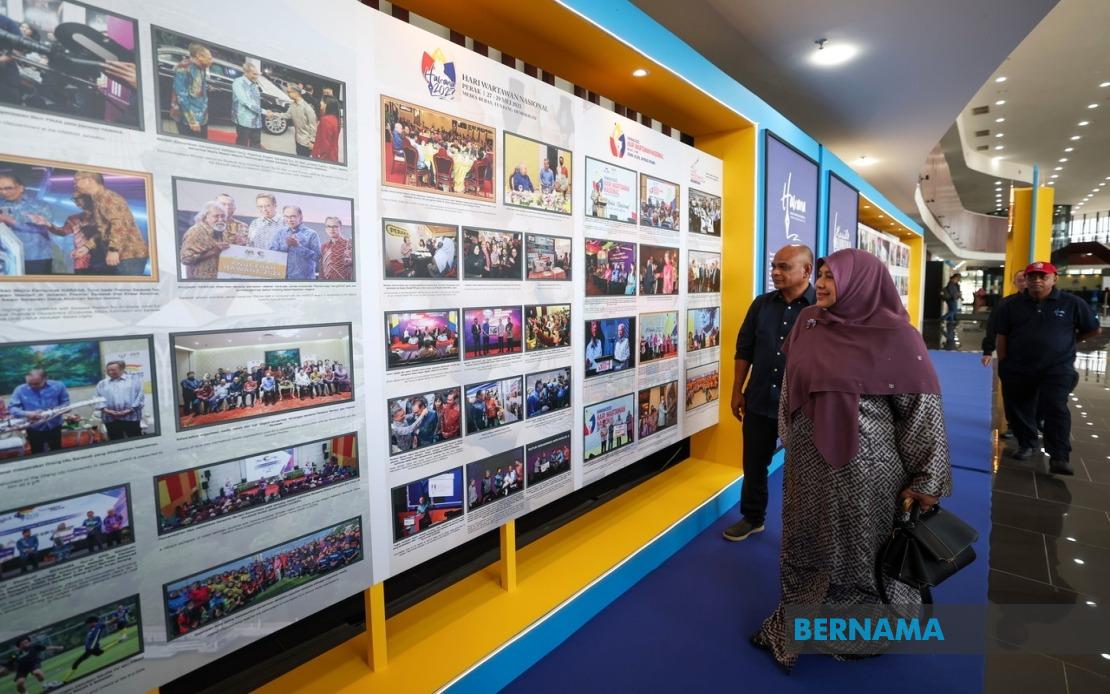
The National Journalists' Day (HAWANA) 2026 summit is poised to begin tomorrow in Penang, with organisers completing crucial final preparations at the PICCA@Arena Butterworth Convention Centre. Over three intensive days, the Working Committee has orchestrated detailed logistics and rehearsals to ensure a seamless experience for an anticipated audience of around 1,000 journalists and media professionals converging on the northern state.
Bernama chief executive officer and HAWANA 2026 Working Committee chairman Datin Paduka Nur-ul Afida Kamaludin has confirmed that preparations have reached 80 per cent completion, with multiple run-throughs conducted to iron out potential operational difficulties. The focus on meticulous planning reflects the magnitude of hosting such a significant gathering in a location outside the capital, where coordination across multiple stakeholders demands considerably more groundwork than previous iterations of the event.
The decision to shift the venue from Kuala Lumpur to Penang marks a strategic departure for Malaysia's flagship media industry gathering. While the move aims to decentralise the event and boost engagement in the northern region, Nur-ul Afida acknowledged the logistical complexities inherent in such a relocation. These challenges encompass finding adequate accommodation capacity, arranging efficient transportation networks, and managing the financial implications of relocating hundreds of delegates beyond the capital. The committee has worked closely with multiple hotel operators and service providers throughout Penang to address these infrastructure demands comprehensively.
The geographical shift is expected to influence participation levels compared with previous editions held in Kuala Lumpur. The logistics coordinator noted that the capital's centralised location and existing concentration of media industry players naturally facilitate higher attendance, whereas Penang's position requires participants to navigate additional travel time and associated costs. Work commitments, family obligations, and scheduling conflicts may deter some journalists from attending, particularly those based in southern and central regions who would face extended travel from their home bases.
Yet the move also signals a deliberate institutional choice to strengthen media presence and dialogue beyond the capital's bubble. By bringing this premier event to Penang, organisers hope to nurture closer connections with journalists operating in Peninsular Malaysia's northern corridor, fostering a more geographically representative gathering of the country's news-gathering community. This geographical redistribution aligns with broader efforts to ensure Malaysia's media sector functions as a genuinely national ecosystem rather than one dominated by capital-based narratives and perspectives.
The summit will unfold under the thematic banner 'Media Integrity Strengthens Credibility', a focus that carries particular resonance in Malaysia's contemporary media landscape. As misinformation proliferates across digital platforms and public trust in traditional journalism faces sustained pressure globally, the emphasis on integrity represents both a defensive posture and an aspirational declaration. The choice of theme suggests the organisers perceive institutional reassessment as timely, positioning the gathering as an opportunity for the profession to reaffirm its ethical foundations and demonstrate responsiveness to public concerns about accuracy and fairness.
Prime Minister Datuk Seri Anwar Ibrahim is scheduled to officiate the summit at 3 pm tomorrow, lending significant political weight to the proceedings. The prime ministerial presence underscores government recognition of media's role in national development and democratic discourse. However, it also subjects the event to heightened scrutiny regarding the boundaries between state endorsement and editorial independence—a tension that remains salient in Malaysian public discourse surrounding media autonomy and political influence.
Beyond the main summit, the event will incorporate multiple parallel sessions organised by key industry bodies including the Malaysian Media Council, the Federation of Malaysian Media Clubs (GKMM), and the Malaysian Press Institute (MPI). These collateral programming elements broaden the intellectual scope of the gathering, allowing participants to engage in sector-specific dialogues covering topics from digital transformation to journalistic standards. The participation of these umbrella organisations transforms HAWANA 2026 from a celebratory platform into a working conference where the media industry can collectively examine emerging challenges and opportunities.
The summit represents one of the year's most significant assemblies of Malaysian and international media practitioners, functioning as a rare concentrated venue for industry-wide dialogue. For Southeast Asian media observers, Malaysia's approach to hosting such events reflects broader regional trends toward strengthening professional networks and establishing consensus around shared journalistic principles. The gathering's international dimension—with foreign participants expected alongside domestic attendees—positions Malaysian journalism within global conversations about media standards and professional development.
For news organisations based in Malaysia, HAWANA 2026 offers strategic networking opportunities and exposure to emerging industry trends. Smaller publications and independent outlets often leverage such summits to establish partnerships, discover technological innovations, and benchmark their operational practices against larger institutional players. The diversity of participants creates spaces where journalists from competing publications can nevertheless identify common cause around professional interests and ethical standards.
The logistical investment in hosting the summit in Penang, despite acknowledged complications, reflects institutional commitment to building more inclusive industry governance structures. Rather than concentrating all significant professional gatherings in Kuala Lumpur, the Ministry of Communications and Bernama have invested in demonstrating that major media industry events can succeed outside the capital, potentially establishing a precedent for future decentralisation of such platforms. This approach aligns with broader Malaysian policy objectives around regional development and reducing the disproportionate concentration of national institutions in federal territories.
As delegates prepare to converge on Penang, the summit arrives at a moment when Malaysian journalism faces multiple pressures—from digital disruption of traditional revenue models, evolving audience expectations around multimedia storytelling, and increased scrutiny of editorial decisions through social media criticism. By anchoring the gathering around media integrity, the organisers position professional reassurance and standard-setting as central to the industry's path forward. Tomorrow's summit will consequently serve as both celebration of journalistic achievement and forum for candid assessment of current challenges confronting the fourth estate.

