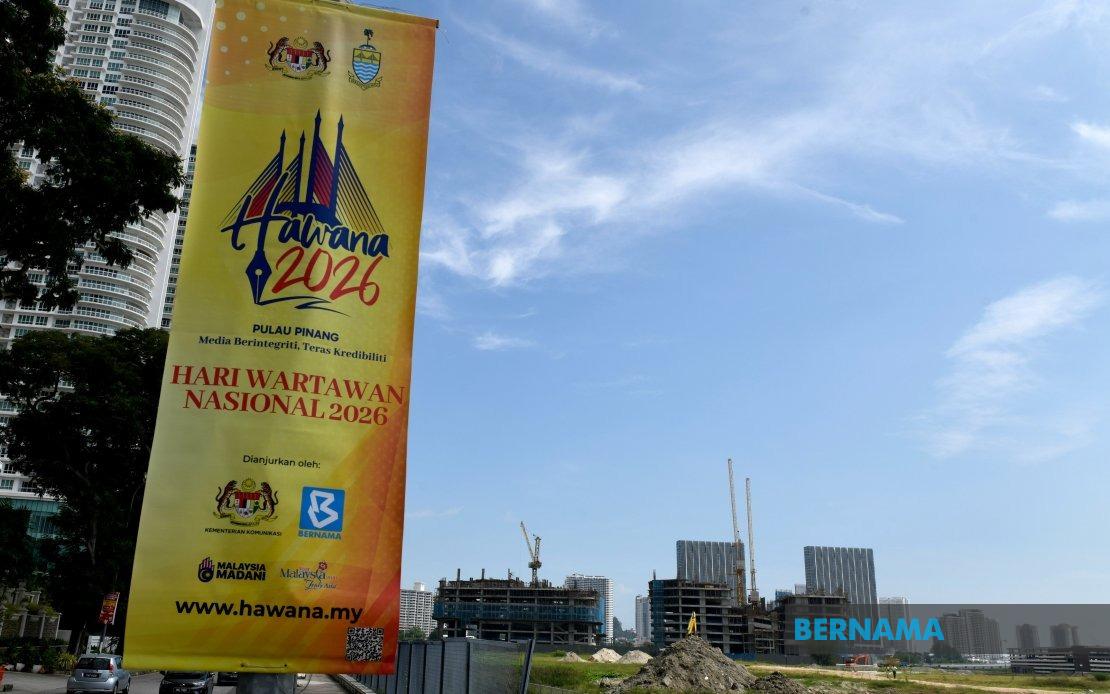
Penang is poised to gain substantial economic and promotional benefits as it hosts the inaugural National Journalists' Day (HAWANA) 2026 celebration, positioned as a watershed moment for the state's tourism trajectory and creative industries. The selection of Penang as the maiden venue underscores regional confidence in its capacity to orchestrate high-profile international gatherings whilst leveraging its established credentials as a premier tourism hub within Malaysia.
State Tourism and Creative Economy Committee chairman Wong Hon Wai emphasised the event's strategic value, framing the gathering as an unprecedented platform to broadcast Penang's multifaceted appeal across Asia. The confluence of nearly 1,000 media practitioners from Malaysia and the broader ASEAN region will generate concentrated, high-calibre media coverage that transcends conventional tourism marketing, positioning the state within the broader consciousness of regional and international audiences.
Wong articulated a comprehensive vision extending beyond ceremonial proceedings. The anticipated influx of journalists and associated visitors will translate into sustained demand across Penang's hospitality infrastructure—hotels, restaurants, retail establishments, and attractions. Tourism operators have already registered robust advance bookings, with Seberang Perai, designated as the primary venue, offering sufficient accommodation capacity to absorb the expected guest volume during the 19-21 June window. This represents tangible economic activity rather than speculative benefit.
The symbiotic relationship between effective media engagement and destination marketing undergirds Wong's broader philosophy. Media institutions function as gatekeepers of information, narrative framers, and credibility arbiters; their endorsement and coverage of Penang's offerings carries disproportionate influence compared to conventional advertising. By furnishing journalists with substantive stories grounded in authentic experience—Penang's syncretic cultural landscape, distinctive culinary traditions, and emergent creative talent—the state transforms journalists from external observers into organic advocates.
Within the creative economy specifically, media amplification serves catalytic functions beyond tourism. Local artists, designers, musicians, and innovators gain visibility and legitimacy when featured in credible publications and broadcasts. This exposure facilitates market access, attracts investor attention, and reinforces Penang's identity as a regional creative hub. The state government's framing of media as an essential partner reflects recognition that sustained economic growth within creative sectors depends critically on sustained narrative visibility and cultural credibility.
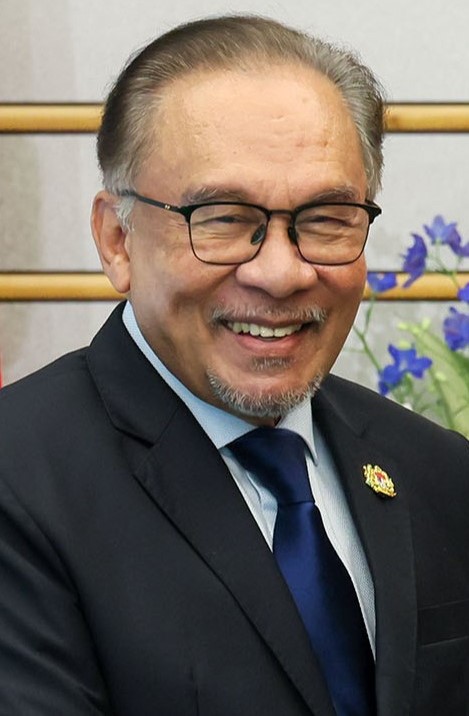
Prime Minister Datuk Seri Anwar Ibrahim will officiate the main HAWANA ceremony on 20 June at the PICCA Convention Centre @ Butterworth Arena, signalling federal endorsement of Penang's hosting role and the event's national significance. This high-level political participation underscores the gathering's importance within Malaysia's broader media landscape and governance agenda, particularly given the event's thematic focus on 'Media Integrity Strengthens Credibility'—a subject resonating within contemporary discourse surrounding information accuracy and public trust.
Parallel to the core journalists' programme, organisers have calibrated a substantially scaled public-facing carnival component designed to democratise access and extend economic impact beyond professional media circles. The RIUH Pi HAWANA Carnival, commencing 19 June and extending through the three-day period, anticipates approximately 30,000 visitors exploring a curated ecosystem of 24 local creative enterprises and 20 food vendors. This architecture intentionally bridges professional and popular audiences, transforming a specialised journalists' gathering into a broader cultural celebration with tangible economic ramifications for participating vendors and artisans.
The carnival's entertainment programming amplifies Penang's creative credentials through live performances by established local acts including Exists, Bunkface, Masdo, Sakura Band, Budak Nakal Hujung Simpang, and Chelsea Ng. These performances serve dual functions: generating immediate draw for carnival attendees whilst projecting Penang's musical vitality and artistic sophistication to external observers and potential investors. Free admission removes financial barriers to participation, broadening the demographic reach and generating goodwill associations with the state brand.
For Malaysian readers and Southeast Asian observers, HAWANA 2026 represents a instructive case study in strategic destination marketing. Penang's approach integrates multiple revenue streams and audience segments—professional journalists, general tourists, local creative practitioners, and hospitality workers—into a coordinated value-creation exercise. Rather than bifurcating professional and popular elements, organisers have engineered complementary activities that amplify reach whilst sustaining thematic coherence around media, creativity, and cultural expression.
The event's timing and scale also carry implications for regional tourism competitiveness. As other Southeast Asian destinations pursue increasingly sophisticated marketing strategies, Penang's integration of media engagement, cultural celebration, and economic activation demonstrates how destination governments can transcend conventional tourism promotion. By hosting journalists within immersive cultural contexts rather than isolated conference settings, Penang maximises the likelihood that media coverage reflects authentic experience and genuine cultural engagement—factors increasingly valued by sophisticated travellers and editorial decision-makers.
From an economic perspective, the concentration of visitor spending across hotels, transportation, dining, and attractions generates multiplier effects throughout Penang's service economy. Tourism workers, small business operators, and creative professionals gain direct income whilst tax revenues accrue to state coffers. These immediate economic benefits provide quantifiable justification for event hosting investments, though longer-term effects—repositioned brand perception, sustained visitation patterns, and international investment interest—ultimately determine whether HAWANA 2026 constitutes transformative or merely episodic economic activity.
Looking forward, Penang's inaugural HAWANA hosting establishes a precedent potentially attracting subsequent major journalistic and media gatherings. Successful execution of the 2026 event, evidenced through positive media coverage and attendee satisfaction, could position Penang as Malaysia's preferred destination for professional media conferences. This positioning carries strategic value for a state increasingly competitive with Kuala Lumpur and other major Malaysian centres across tourism, business events, and creative industry sectors.
Ultimately, HAWANA 2026 exemplifies how thoughtfully designed events can simultaneously serve professional objectives, generate economic stimulus, and advance broader cultural and creative agendas. For Penang specifically, the gathering represents validation of the state's evolution beyond heritage tourism into a multidimensional destination offering professional infrastructure, cultural vitality, and economic opportunity. Success will hinge on execution quality and authentic integration of professional, cultural, and commercial elements—precisely the coordination that Wong's remarks suggest is under active development.