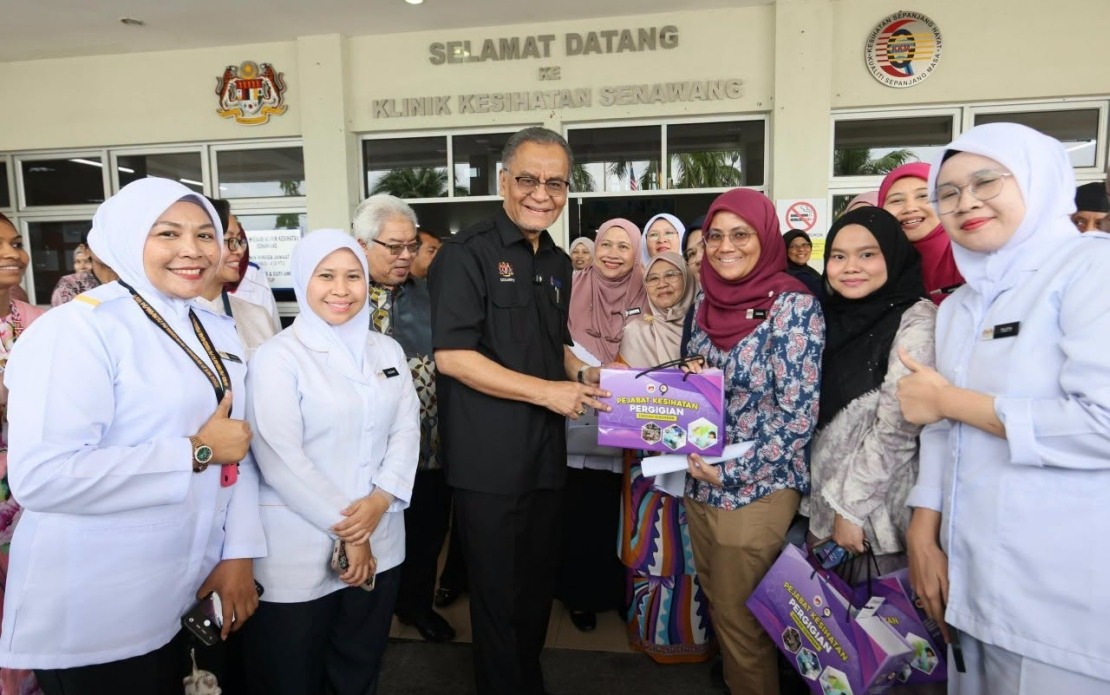
Malaysia's Health Ministry has announced an immediate injection of RM805,700 to bolster operations at Senawang Health Clinic in Seremban, marking a significant step in strengthening primary healthcare delivery across Negeri Sembilan. Health Minister Datuk Seri Dr Dzulkefly Ahmad unveiled the allocation, which splits resources between the main health clinic and its dental wing to address both clinical and operational gaps that have accumulated over time.
The funding distribution reflects a prioritised approach to clinic modernisation. The health clinic itself will receive RM588,400 of the total grant, while the dental facility claims the remaining RM217,300. These resources are earmarked for comprehensive repair and upgrading initiatives alongside the purchase of both medical equipment and ancillary assets essential to daily operations. This dual allocation recognises the interdependency of dental and general health services in community care networks and reflects a holistic understanding of primary healthcare infrastructure needs.
Dental services stand to undergo substantial transformation under this investment plan. The dental clinic building itself will be upgraded to enhance the patient experience and ensure comfortable treatment environments. Such facility improvements extend beyond aesthetics, directly impacting patient compliance with preventive dental care and follow-up treatments. Comfortable clinical environments have been shown to reduce anxiety-related barriers to dental attendance, a persistent challenge in Southeast Asian primary healthcare settings where dental services often suffer from underutilisation due to poor infrastructure.
Diagnostic capability represents another critical frontier for the clinic's modernisation. A new ultrasound machine will be procured as part of the allocation, significantly expanding the range of conditions that clinicians can investigate without referring patients to distant tertiary facilities. Ultrasound technology enables rapid assessment of abdominal, obstetric, and soft tissue pathologies, reducing diagnostic delays and enabling faster treatment initiation. For a clinic serving a catchment population exceeding 220,000 residents, this acquisition could substantially improve the timeliness of care and reduce the burden on referral hospitals.
Mobility constraints affecting fieldwork operations will be addressed through the acquisition of two new vehicles. Healthcare personnel engaged in community outreach, vaccination programmes, disease surveillance, and home-based care visits depend critically on reliable transport infrastructure. Vehicle shortages often constrain the frequency and geographic reach of field activities, limiting the clinic's ability to serve dispersed rural populations within its catchment area. Enhanced transport capacity will enable more frequent visits to peripheral communities and improve the responsiveness of mobile health services to local needs.
Senawang Health Clinic operates as a primary healthcare linchpin for the surrounding region, confronting demands that reflect both rapid urbanisation and demographic diversity. With daily patient attendance averaging 1,000 visits and a served population exceeding 220,000, the facility functions as an essential gateway to the healthcare system. This patient volume magnitude underscores the critical importance of operational efficiency and adequate infrastructure to manage demand without compromising care quality or staff wellbeing.
For Malaysian readers, this funding allocation exemplifies the government's commitment to addressing infrastructure deficiencies in primary healthcare delivery, a sector that frequently encounters resource constraints despite its foundational role in preventive care. The Senawang facility serves as a microcosm of challenges facing primary healthcare clinics nationwide, where ageing infrastructure, inadequate diagnostic equipment, and limited mobility resources have historically constrained service delivery. This investment signals recognition of these systemic gaps and commitment to incremental amelioration.
The timing of this allocation carries significance within Malaysia's broader healthcare policy trajectory. Primary healthcare strengthening has emerged as a policy priority following the COVID-19 pandemic, which exposed vulnerabilities in community-based health systems and frontline capacity. Investment in clinic infrastructure and equipment at the primary care level represents preventive health spending that can reduce downstream pressure on hospital services and improve population health outcomes over time. The ultrasound procurement exemplifies this strategic shift toward enhancing diagnostic capability at the primary level, reducing unnecessary specialist referrals and enabling more efficient resource allocation across the healthcare pyramid.
From a regional perspective, Malaysia's sustained investment in primary healthcare infrastructure positions it favourably within Southeast Asia's health system landscape. While regional peer nations grapple with similar infrastructure challenges, deliberate capital allocation to clinic modernisation demonstrates a commitment to equitable healthcare access and operational resilience. The Senawang example may inform policy discussions across ASEAN countries facing analogous demands on primary healthcare systems serving expanding and increasingly urbanised populations.
Staff retention and job satisfaction represent indirect but substantial benefits of facility modernisation. Healthcare workers operating in adequately equipped, well-maintained clinics with reliable transport resources report higher satisfaction levels and lower burnout incidence. The Senawang allocation implicitly addresses workforce wellbeing alongside clinical capability, recognising that staff experience directly influences service quality and sustainability.
The Minister's articulation of intent—ensuring equitable, efficient, and comfortable healthcare delivery—reflects an understanding that infrastructure investment serves multiple policy objectives simultaneously. Equipment procurement improves diagnostic accuracy and timeliness. Facility upgrading enhances user experience and reduces anxiety barriers to care-seeking. Transport capacity expansion broadens geographic reach. These investments converge to strengthen health system resilience and population coverage, addressing fragmentation that often characterises primary healthcare delivery in developing health systems.

