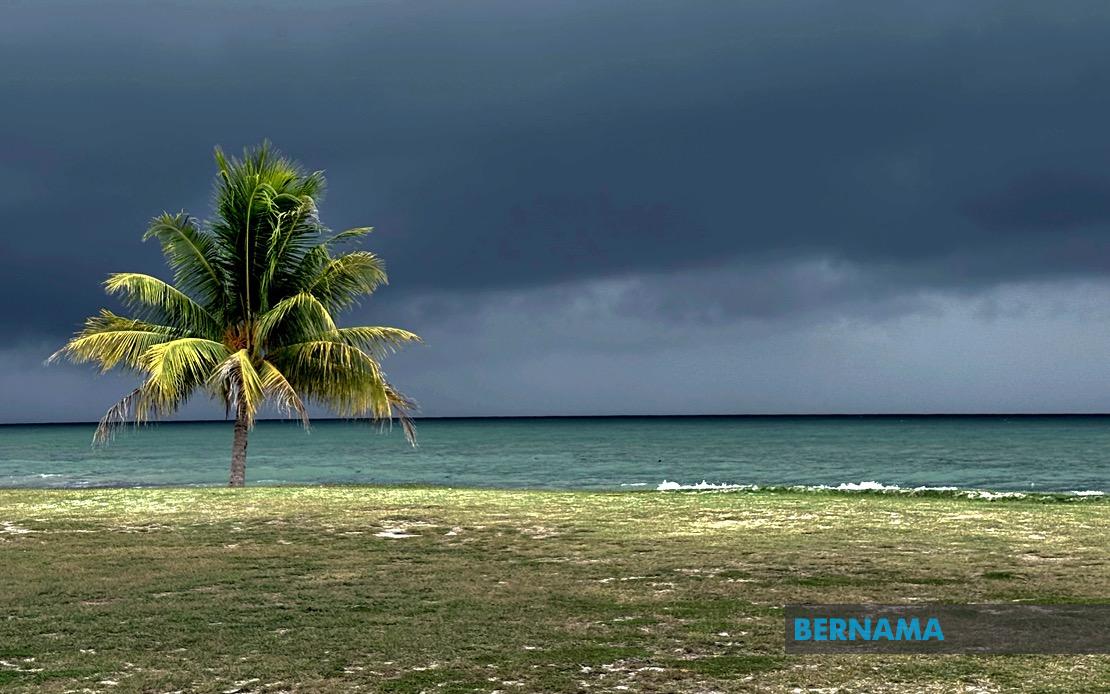
The Malaysian Meteorological Department issued an urgent weather alert on June 25, warning of severe atmospheric disturbances sweeping across multiple regions of the country. Thunderstorms, heavy downpours and strong winds are expected to persist throughout the affected areas until 11 pm, prompting authorities to recommend precautionary measures for residents and travellers in the impact zones.
The east coast of Peninsular Malaysia faces the most immediate threat, with the warning covering several districts across three states. In Kelantan, the alert encompasses Kota Bharu, Bachok, Machang and Pasir Puteh, while Terengganu's Kemaman district and multiple locations in Pahang—including Jerantut, Temerloh, Maran and Kuantan—have been placed on alert. These areas, particularly along the east coast, are historically vulnerable to sudden weather deterioration during monsoon periods and seasonal transitions, making such warnings critical for public safety and operational planning.
Beyond the peninsula, the warning extends into East Malaysia, reflecting the broad geographical scope of the atmospheric system affecting the nation. In Sarawak, residents of Limbang, particularly those in the Lawas area, should exercise heightened vigilance. The coverage demonstrates that the weather disturbance is not localised to a single region but represents a more widespread phenomenon affecting multiple weather systems across the archipelago.
Sabah's interior regions, including Nabawan and Keningau, face similar risks as the storm system moves across the state's varied topography. Simultaneously, the West Coast area around Ranau and the Sandakan division—encompassing Tongod, Telupid, Beluran and Sandakan proper—are also in the warning zone. This distribution suggests the system has sufficient atmospheric energy to affect both highland and coastal regions, raising concerns about potential flooding in low-lying areas and landslide risks in terrain-challenged zones.
Thunderstorms of this magnitude typically bring multiple hazards beyond rainfall alone. Strong wind gusts associated with severe convective activity can damage structures, uproot trees and disrupt power supplies. The combination of heavy precipitation and forceful winds creates compounded risks, particularly for communities in areas with ageing infrastructure or limited drainage capacity. Residents should secure loose outdoor items, avoid unnecessary travel and monitor official weather updates throughout the evening.
For residents in affected districts, the timing of the alert—issued during daytime hours with impact extending into evening—provides a window for preparation. Schools, businesses and public facilities in these areas typically operate until late afternoon, meaning most disruption would occur during evening hours when people are settling in at home. However, traffic congestion during the warning period could complicate evening commutes, and travellers should adjust plans accordingly.
The Malaysian Meteorological Department's issuance of such alerts reflects the sophisticated monitoring systems now in place across the nation. Real-time radar data, satellite imagery and numerical weather prediction models enable meteorologists to identify developing systems and project their impact zones with reasonable accuracy. This capability has significantly improved public preparedness compared to earlier decades when sudden storms often caught communities off-guard.
The persistence of severe weather into the evening—the alert specifically mentions conditions lasting until 11 pm—suggests a system with considerable depth and energy. Short-duration thunderstorms might dissipate within hours, but this extended timeline indicates a more substantial atmospheric disturbance. The duration allows for accumulated rainfall in affected areas, increasing flood risks and water runoff that could overwhelm drainage systems in urban centres and agricultural land in rural districts.
For regional aviation and maritime operations, such weather alerts carry significant operational implications. Airports in affected areas may experience flight delays or diversions, while maritime traffic must exercise extreme caution or seek shelter in protected anchorages. Fishing communities depending on offshore operations would typically suspend activities during such conditions, representing economic losses that accumulate during monsoon seasons.
Residents and businesses in the affected regions are advised to monitor updates from MetMalaysia and local disaster management authorities throughout the day. Emergency services in these states remain on high alert, prepared to respond to weather-related incidents including flooding, fallen trees and infrastructure damage. Maintaining awareness and following official guidance significantly reduces personal risk and facilitates faster emergency response when needed.

