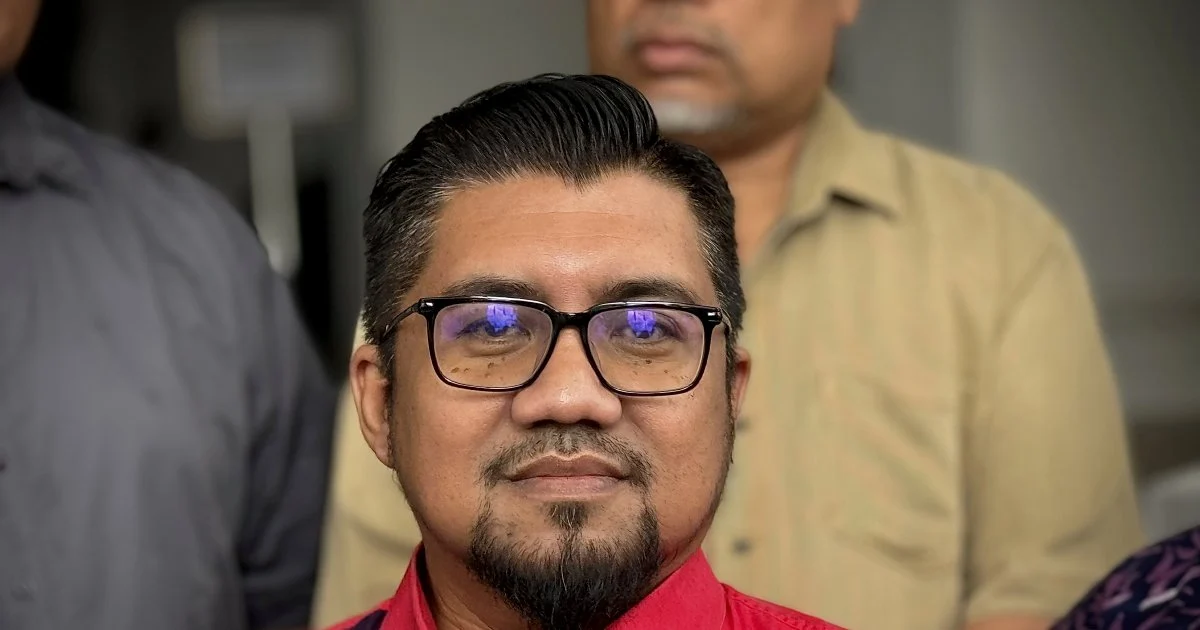
A significant legal reversal unfolded in the Malaysian courts when the High Court moved to reinstate defamation charges against prominent political activist Badrul Hisham Shaharin, commonly known as Che'gu Bard, regarding statements made about the nation's monarch. The decision nullified an earlier acquittal and compels the activist to present his defence against allegations of defaming His Majesty Sultan Ibrahim, King of Malaysia. The case centres on remarks Shaharin allegedly made concerning a purported meeting between the Ruler and various political figures that occurred approximately two years prior to the proceedings.
The reversal represents a pivotal moment in the case's trajectory, as it transforms the legal burden placed on the defendant. Rather than the matter concluding with a favourable judgment, Shaharin now faces the responsibility of mounting a substantive defence before the court. This development carries implications for how statements regarding the monarchy are treated within Malaysia's legal framework, particularly when such remarks emanate from individuals with public platforms and political influence.
Defamation cases involving the monarchy occupy a distinct position in Malaysia's judicial landscape. The crime of defaming the ruler is treated with considerable gravity under law, reflecting the constitutional position and symbolic importance of the institution. When allegations concern statements made about the King, courts apply particular scrutiny to ascertain whether remarks crossed thresholds of protected speech into actionable defamation. The High Court's decision to reverse the acquittal suggests the judicial body identified grounds to believe the initial judgment required reconsideration.
Badrul Hisham Shaharin has maintained a visible presence within Malaysian civil society and political discourse over several years. His activism spans multiple domains of public interest, and his commentary frequently addresses matters of governance and leadership. The nature of his alleged remarks concerning the royal audience demonstrates how statements by politically active individuals can trigger legal responses, particularly when such statements touch upon the monarchy or sensitive state institutions.
The specific statements at issue involved Shaharin's account of a purported meeting between His Majesty and political leaders. The exact nature of these remarks and why they were deemed defamatory remained central to the court's evaluation. Defamation requires establishing that statements were false, damaging to reputation, and published to third parties. The High Court's reversal indicates the judges determined sufficient grounds existed to proceed with trial rather than terminate proceedings at the acquittal stage.
This case reflects broader tensions within Malaysian society regarding freedom of expression and respect for institutions. While democratic societies protect robust public discourse and critical commentary, Malaysian law maintains specific protections for the monarchy that constrain certain forms of speech. The boundary between legitimate political commentary and defamatory statements remains subject to judicial interpretation, and decisions in high-profile cases establish important precedents for future disputes.
The requirement for Shaharin to enter his defence means the case will now proceed to a full hearing where evidence will be presented and arguments made on both sides. The burden remains on the prosecution to prove defamation beyond reasonable doubt, but the activist must now actively contest the allegations rather than relying on a previously obtained acquittal. This phase of litigation will require substantive engagement with the specifics of what was said, the context in which remarks were made, and whether statements constituted factual claims or protected opinion.
For observers of Malaysian legal and political affairs, the decision underscores the continuing evolution of how courts balance institutional protection with fundamental freedoms. The case will likely attract attention from civil society organisations, media commentators, and those concerned with the scope of permissible speech in Malaysia. The outcome could establish or reinforce precedents regarding the treatment of statements about the monarchy and how courts evaluate defamation allegations in politically sensitive contexts.
The reversal also highlights the appellate process and the possibility of challenging acquittals in defamation matters. While final acquittals in criminal cases generally cannot be appealed by the prosecution, certain circumstances permit review or reconsideration. The High Court's decision to reverse the earlier judgment indicates the bench identified sufficient grounds to warrant reopening the matter, though the specific legal basis for this reversal warrants examination by legal commentators.
As Shaharin prepares to mount his defence, the case remains emblematic of the complex interplay between individual expression and institutional protection in Malaysian jurisprudence. Whether the activist can demonstrate that his remarks constituted protected speech, accurate statements, or permissible opinion will determine the case's resolution. The proceedings ahead will test how Malaysian courts approach defamation allegations involving the monarchy and what standards apply when evaluating statements made by public figures about royal matters.

