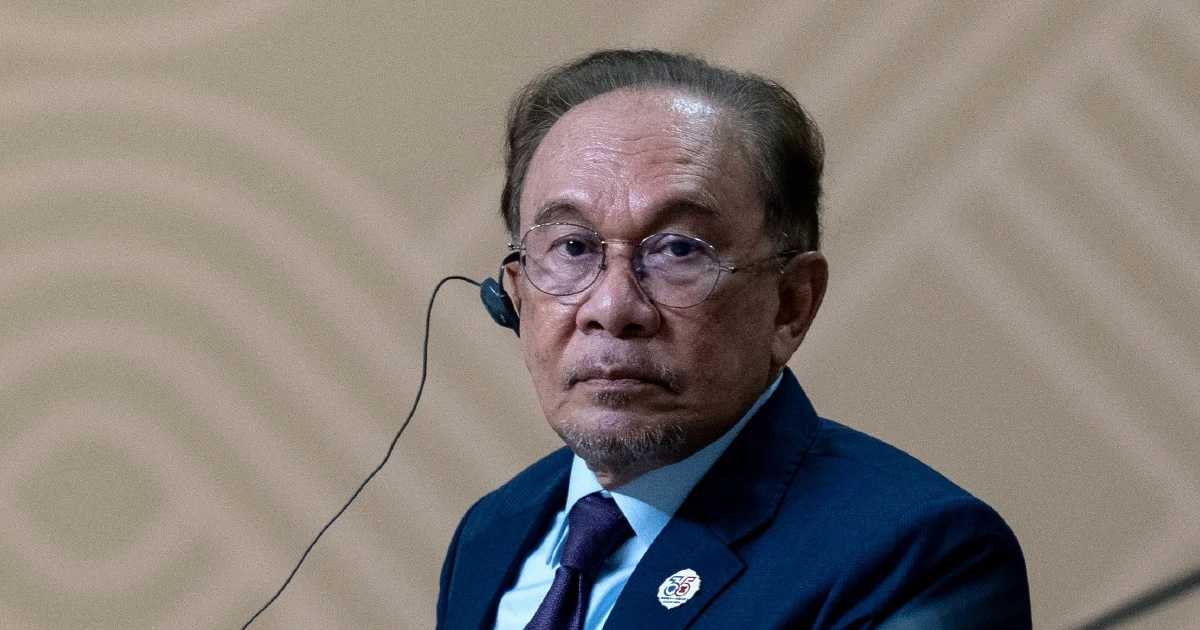
The High Court in Kuala Lumpur has moved to discharge a subpoena compelling Prime Minister Datuk Seri Anwar Ibrahim to testify in a substantial civil claim valued at RM30 million, marking a significant procedural development in a case centring on businessman Datuk Vinod Balachandra Sekhar and his spouse. The ruling reflects judicial consideration of competing interests between the demands of civil litigation and the operational demands placed upon the nation's chief executive.
The decision to set aside the summons carries particular weight given Anwar's position as Prime Minister, a role that inherently presents unique complications when reconciling obligations to the court system with the responsibilities of leading the government. The court's action underscores the delicate balance that Malaysian judiciary must frequently navigate when senior political figures become entangled in civil proceedings, whether as witnesses, defendants, or other interested parties. Such situations demand careful judicial reasoning to uphold both the rule of law and the practical functioning of the state apparatus.
The RM30 million suit involving Vinod Balachandra Sekhar and his wife appears to involve claims of significant commercial or financial consequence. The specificity of the monetary claim suggests disputes over substantial transactions, breach of contract, or other commercial grievances that the plaintiffs deemed worthy of court intervention. Without the Prime Minister's direct testimony, the case will proceed through alternative evidentiary pathways that the legal teams involved must now pursue.
The High Court's decision to quash the subpoena likely rested upon established legal principles governing witness compulsion, particularly regarding heads of government and senior state officials. Malaysian courts have previously grappled with similar questions, drawing upon jurisprudence that recognises special circumstances surrounding those in the highest echelons of executive office. The immunity or protection extended is not blanket, but rather calibrated to recognise the genuine difficulties that such requirements would impose on governance.
This ruling carries implications for future civil litigation involving politically prominent figures in Malaysia. It establishes or reinforces precedent that courts will carefully scrutinise demands upon the Prime Minister's time and attention, requiring persuasive justification before compelling his appearance. Other senior government officials may find themselves in comparable situations, and this decision provides guidance on how courts are likely to respond to similar subpoenas directed at others in positions of substantial state responsibility.
For the plaintiffs in the RM30 million dispute, the discharge of the subpoena necessitates a recalibration of their litigation strategy. They must determine whether Anwar's testimony was essential or merely desirable for their case, and whether other witnesses, documentary evidence, or expert testimony might effectively establish the facts they seek to prove. The legal teams involved will need to assess whether the case can proceed to a meaningful resolution without the Prime Minister's direct evidence, or whether the inability to access his testimony creates insurmountable obstacles.
The business community and those engaged in commercial disputes involving politically connected individuals will likely view this judgment with careful attention. It demonstrates that mere involvement of a prominent political figure does not automatically secure their testimony in civil matters, yet neither does it entirely shield them from accountability. The court's approach attempts to preserve the integrity of the judicial process while acknowledging practical realities of governance that affect the nation's highest office.
Malaysia's legal framework continues to evolve in its handling of cases that straddle the boundary between private commercial disputes and matters touching upon the highest levels of government. The tension between ensuring all witnesses can be compelled to testify and recognising exceptional circumstances surrounding certain officials remains a live question in comparative law across common law jurisdictions. This judgment contributes to Malaysian jurisprudence by demonstrating judicial restraint and pragmatism in balancing these competing considerations.
The procedural context of this decision also merit examination. The fact that the High Court took the initiative to discharge the subpoena suggests either that the motion to set it aside was unopposed, or that the judge found the case for maintaining it insufficiently compelling. Either way, the outcome reflects judicial confidence that the integrity and progress of the civil suit can be maintained through alternative means of proof, without requiring the Prime Minister to divert his attention from the demands of his office.
For observers tracking the trajectory of Malaysian jurisprudence on executive accountability, this case occupies an interesting middle ground. It neither grants blanket immunity to the highest office holder nor does it subject the Prime Minister to the full panoply of subpoena powers that ordinary citizens might face. Instead, it recognises a differentiated standard that acknowledges both democratic governance requirements and the principle that the rule of law applies to all, even those at the apex of political power. How courts navigate these questions in future cases will substantially influence the perceived balance between executive autonomy and judicial authority in Malaysia.

