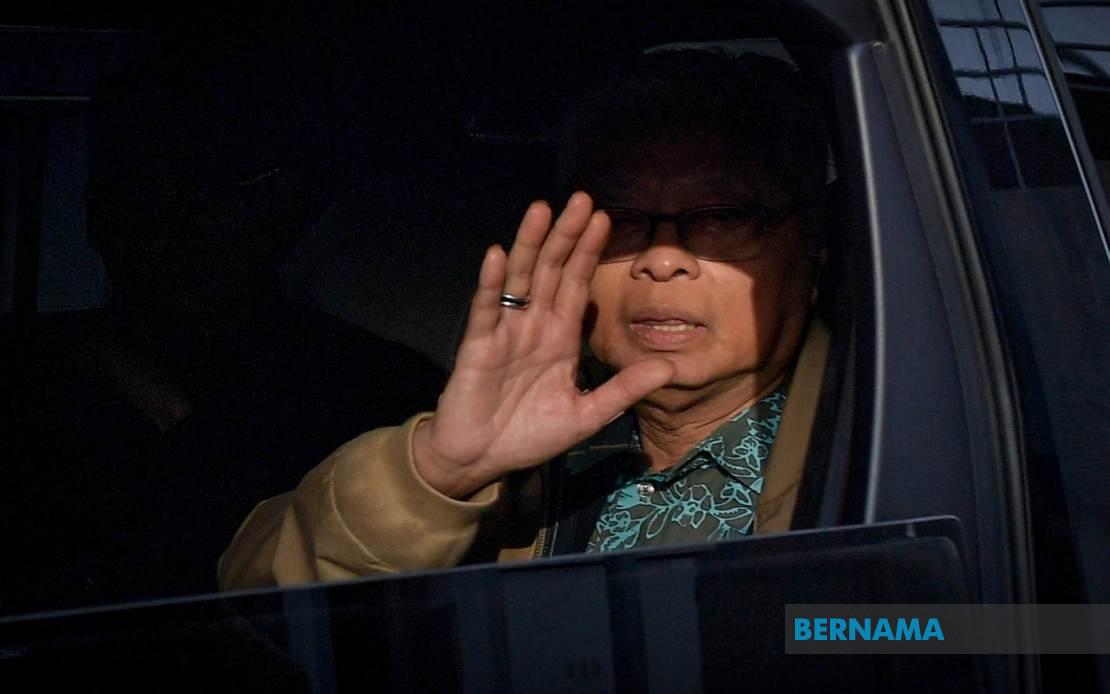
A significant legal victory for digital speech protections in Malaysia crystallised on Friday when the High Court upheld the acquittal of blogger Jufazli Shi Ahmad, rejecting the prosecution's attempt to overturn his discharge on charges stemming from inflammatory YouTube content posted against former Prime Minister Datuk Seri Ismail Sabri Yaakob and UMNO four years ago. Judge Datuk Aslam Zainuddin delivered the ruling after reviewing the Sessions Court's original decision and hearing submissions from both the Deputy Public Prosecutor and the defence, cementing a rare outcome in cases involving offensive online communications in the Malaysian legal system.
The case centred on two distinct charges arising from Jufazli's activities in mid-2022. The primary allegation involved the creation and transmission of offensive material through his 'King Maker Politik' YouTube channel, specifically a video uploaded on 27 June 2022 that police claimed was intended to annoy then-Prime Minister Ismail Sabri Yaakob. The prosecution had accessed the disputed content at the Criminal Investigation Division office of Dang Wangi District Police Headquarters on 1 July 2022, just days after it appeared online, initiating what would become a protracted legal investigation.
The secondary charge carried distinct implications for digital privacy and government authority. Jufazli faced allegations of refusing to furnish police with the password to his YouTube account, a demand made during questioning at the same police headquarters on 5 July 2022. This charge raised fundamental questions about the extent to which citizens must surrender digital credentials to law enforcement and the balance between investigative necessity and personal privacy in the digital age. Such password-related prosecutions remain relatively uncommon in Malaysian courts, making the outcome particularly noteworthy for setting precedent around digital access requirements.
The legal framework invoked by prosecutors carried substantial penalties, reflecting the government's historically stringent approach to online speech. The primary charge operated under Section 233(1)(a) of the Communications and Multimedia Act 1998, with potential consequences including fines reaching RM50,000, imprisonment for up to one year, or both, plus an additional RM1,000 daily fine should the offence persist after conviction. The password refusal charge carried even heavier sentencing provisions: up to RM100,000 in fines or two years' imprisonment, underscoring the seriousness with which authorities treat digital credential withholding.
Judge Aslam's decision carries particular significance within Malaysia's evolving digital rights landscape. The ruling demonstrates that even where authorities identify offensive online content and pursue prosecution vigorously, courts may find insufficient grounds to proceed beyond the initial complaint stage. The Sessions Court's original discharge decision, which the High Court now endorsed, suggests judicial scepticism regarding either the substantive merit of the charges or the adequacy of evidence presented by the prosecution. This represents a noteworthy counterweight to Malaysia's reputation for restrictive online speech enforcement, particularly given the political dimensions of the case.
The political context cannot be overlooked. The content in question targeted Ismail Sabri Yaakob and UMNO during a period of considerable political turbulence in Malaysia, with the former Prime Minister's tenure marked by internal coalition tensions and widespread public criticism. The timing of the police investigation in July 2022 coincided with intensifying factional disputes within the ruling coalition, raising questions about whether the prosecution reflected genuine public interest concerns or political sensitivity. The High Court's affirmation of acquittal implicitly questions the legitimacy of such proceedings.
Jufazli's legal representation by lawyer Ramesh N.P. Chandran proved instrumental in constructing a defence that satisfied the judiciary at both sessions and appellate levels. The defence strategy apparently challenged the prosecution's evidentiary foundation rather than engaging in broader arguments about free speech or political expression, a pragmatic approach that ultimately proved more persuasive than more ideologically comprehensive defences might have been. The prosecution's case, handled by Deputy Public Prosecutor Mohamad Fadhly Mohd Zamry, evidently failed to meet the threshold required for securing convictions.
This judgment arrives during a broader period of reassessment regarding digital speech regulation in Southeast Asia. While Malaysia has traditionally employed the Communications and Multimedia Act and other legislation to prosecute online critics, recent years have witnessed growing judicial caution about such prosecutions, particularly where content addresses public figures or political matters. The High Court's action contributes to this gradual recalibration, though the Communications and Multimedia Act remains on the books with its punitive provisions intact.
The password refusal charge merits particular analytical attention, as it addresses a dimension of digital investigation largely unresolved in Malaysian jurisprudence. The court's apparent rejection of this charge—embodied in the Sessions Court discharge that the High Court upheld—suggests judicial recognition that forcing citizens to surrender digital credentials represents a form of coercion potentially inconsistent with broader principles of due process. This approach aligns with international norms developing around digital privacy and authentication security.
For digital activists and bloggers operating in Malaysia, the decision provides modest reassurance that courts remain capable of resisting prosecutorial overreach in online speech cases. However, the outcome should not be interpreted as establishing robust protections for critical online expression, particularly given the specific circumstances of this case and the continued availability of severe penalties under existing legislation. Future cases involving similar charges may produce different outcomes depending on evidentiary factors and particular judicial reasoning.
The broader implication extends to questions about government proportionality in pursuing online critics. That authorities invested police and prosecutorial resources in pursuing charges that ultimately could not withstand judicial scrutiny raises efficiency concerns and suggests potential misdirection of investigative capacity. The High Court's endorsement of acquittal implicitly validates scepticism about whether such prosecutions serve legitimate law enforcement objectives or primarily function as deterrents against online political criticism.
Moving forward, the decision may prompt prosecutors to reassess their approach to Communications and Multimedia Act charges, particularly those involving political content or public figures. Courts appear increasingly inclined to scrutinise evidentiary foundations rather than accepting that merely offensive online content automatically warrants conviction, a development potentially shifting the enforcement equilibrium in Malaysia's digital speech landscape. Yet without legislative reform addressing the substantive provisions of the Communications and Multimedia Act, authorities retain broad prosecutorial discretion despite heightened judicial scepticism about resulting cases.

