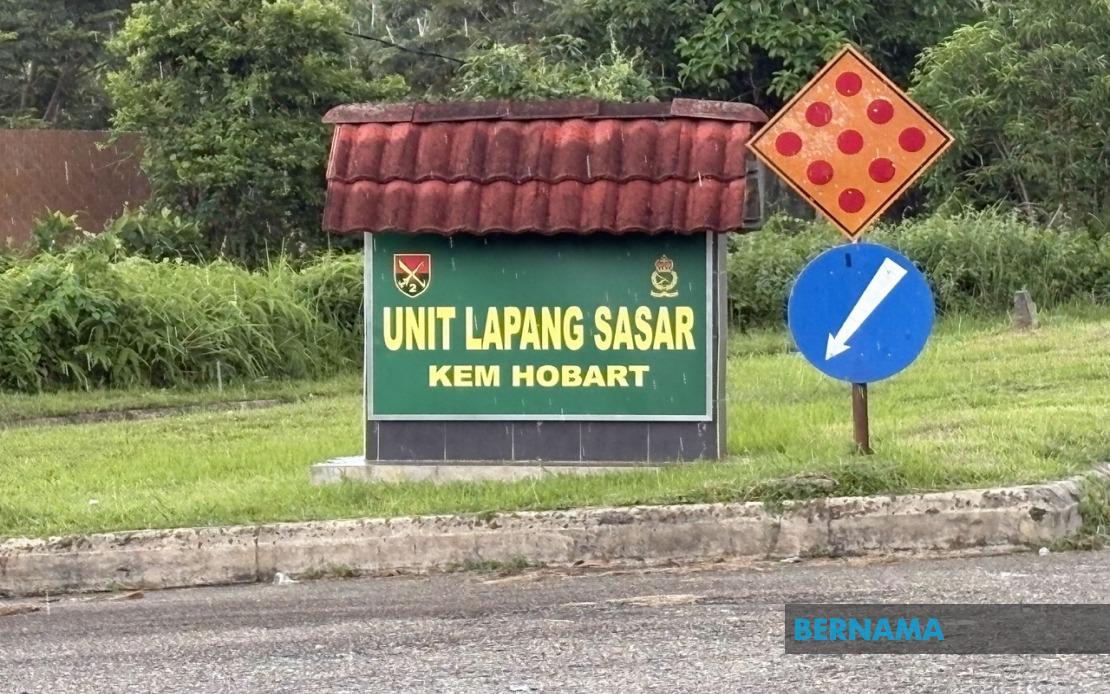
A fatal explosion during a routine military training exercise at Hobart Camp in Gurun, Kedah has triggered a formal police investigation, with authorities preparing to collect detailed accounts from witnesses present at the scene. The incident, which occurred during a grenade-throwing drill conducted by the First Squadron of the Royal Malaysian Engineers Regiment, resulted in the deaths of two army personnel and has raised questions about safety protocols during weapons training operations in the country.
Kuala Muda police chief ACP Hanyan Ramlan confirmed that investigators have classified the matter as a sudden death case and intend to conduct a thorough inquiry into the circumstances surrounding the blast. The police department is coordinating with multiple agencies and relevant stakeholders to ensure a comprehensive examination of the incident. Officers will be tasked with visiting the training facility, documenting the scene's condition, and systematically recording statements from military personnel and other individuals who witnessed the explosion firsthand.
The two victims were identified as Corporal Norazmi Abu Bakar, serving with the Sixth Battalion of the Royal Malay Regiment, and Private Siti Khadijah Sungip of the First Squadron Royal Malaysian Engineers Regiment. Both personnel sustained severe injuries from the blast while participating in the Combat Enhancement Training programme, a scheduled exercise designed to improve the combat readiness of troops. The incident unfolded at approximately 10.57 am on June 16, marking an unusually tragic outcome for what should have been a controlled training environment.
The Malaysian Army, in an official statement, acknowledged that the explosion occurred during a grenade-throwing component of the structured combat training curriculum. Military authorities did not immediately release details regarding the specific nature of the training malfunction or whether preliminary investigations had identified any equipment failure or procedural breach as a potential cause. The timing and classification of the incident within a formal military training programme suggests that multiple safeguards and supervisory measures would typically have been in place.
Both casualties were transported to the Sultan Abdul Halim Hospital in Sungai Petani, where medical personnel attempted emergency treatment. However, their injuries proved fatal, and both individuals were pronounced dead while in transit to the medical facility. The rapid deterioration of their conditions indicates the severity of the blast exposure and trauma sustained during the explosion. This outcome has inevitably prompted military authorities to review whether existing safety procedures were rigorously followed on the day of the incident.
Following the deaths, the remains of both victims were transferred to Sultanah Bahiyah Hospital in Alor Setar, where post-mortem examinations have been scheduled. These medical investigations will be crucial in determining the exact nature and extent of injuries sustained, potentially offering forensic evidence that could support the police inquiry. The post-mortem findings may also provide insight into the blast's magnitude and proximity of the personnel to the detonation point.
The incident raises broader concerns about occupational safety within military training environments across Malaysia and the region. Grenade-throwing exercises, while considered fundamental to combat training, carry inherent risks that demand meticulous adherence to safety procedures, including proper spacing between trainees, appropriate throwing zones, and carefully monitored weapon handling. The fatality of this incident demonstrates that even within structured military frameworks, training accidents can occur with devastating consequences.
Investigators will focus their attention on determining whether standard operating procedures were followed during the training session, whether all necessary safety equipment was deployed and functional, and whether supervision levels met military standards. Questions regarding the condition and maintenance history of the grenades used, the experience level of the supervising officers, and the overall readiness of personnel involved will likely form central elements of the inquiry. The police will need to coordinate closely with military investigators to access technical details and operational records.
For Malaysian military personnel and defence observers, this incident underscores the necessity for rigorous post-incident reviews and the continuous refinement of training safety protocols. The Defence Ministry and the Malaysian Army will likely face scrutiny regarding whether current safety measures are adequate and whether additional precautions should be implemented for high-risk training activities. This tragedy may precipitate policy reviews affecting how combat training is conducted across the armed forces.