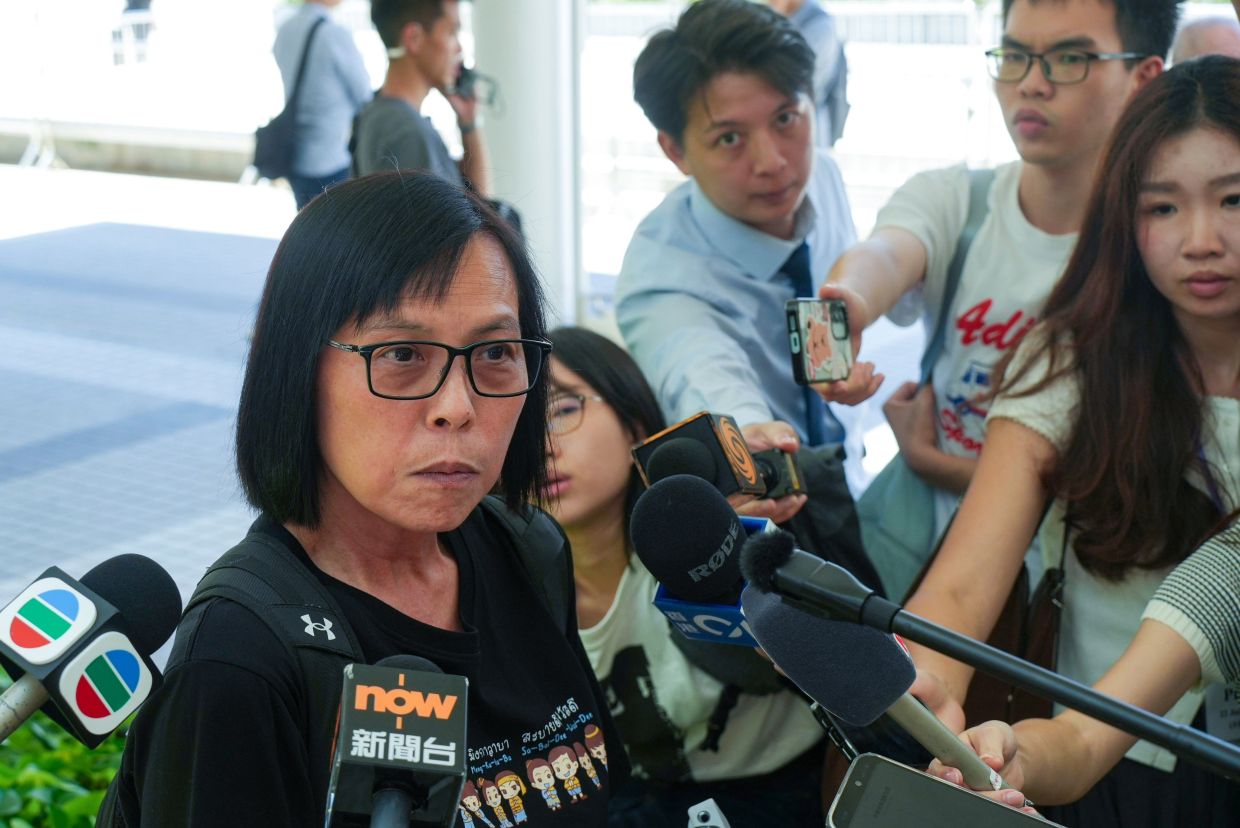
The independent committee tasked with investigating Hong Kong's devastating Wang Fuk Court fire has decided against seeking statutory powers, a choice that has alarmed survivors and advocacy groups concerned about the depth and credibility of the eventual findings. Committee chairman Justice David Lok Kai-hong announced that the panel would not request the chief executive to elevate it into a statutory commission of inquiry, despite resumed hearings this week following a six-week adjournment. This decision represents a significant constraint on the investigation's formal authority and capacity to compel cooperation from witnesses.
The Wang Fuk Court blaze, which occurred last year, claimed multiple lives and displaced numerous residents, becoming one of Hong Kong's most significant fire disasters in recent memory. The tragedy prompted public demands for comprehensive accountability and thorough examination of the circumstances leading to the fire, safety compliance failures, and emergency response protocols. Survivors and their families have voiced mounting frustration about procedural limitations that might prevent the investigation from accessing all relevant information or compelling testimony from key officials and building management personnel.
Statutory commissions of inquiry carry considerably greater investigative muscle than non-statutory committees. They possess the legal authority to subpoena witnesses, demand production of documents, and compel testimony under oath, with contempt provisions for non-compliance. Without such powers, the committee depends on voluntary cooperation and goodwill from government agencies, private entities, and individuals—circumstances that survivors fear could lead to incomplete investigations or selective withholding of inconvenient evidence. The distinction between statutory and non-statutory status is not merely procedural; it fundamentally shapes what an inquiry can discover and how thoroughly it can examine institutional failings.
The decision by Justice Lok to forego statutory status raises questions about institutional confidence and political considerations. Hong Kong's government has historically resisted converting certain inquiries into statutory commissions, viewing such elevation as intrusive or politically sensitive. The voluntary framework allows greater flexibility and discretion, but at the cost of transparency and investigative rigor. For survivors and public observers, this represents an uncomfortable trade-off between apparent expedience and genuine accountability.
The inquiry's resumed hearings mark a continuation of what has been a lengthy process. The six-week pause itself suggests the scale of documentation and testimony involved, though such extended intervals can also allow public momentum and media attention to dissipate. As weeks pass, witnesses' memories fade, evidence can be misplaced or destroyed, and the emotional urgency that initially mobilised public interest softens. Survivors worry that procedural delays, combined with limited investigative authority, create conditions favourable to incomplete findings.
For Malaysian observers, the Hong Kong situation offers sobering parallels. In Malaysia, public inquiries into major disasters and institutional failures have similarly grappled with questions of scope, authority, and follow-through. The tension between expedient investigation and exhaustive accountability resonates across the region, where concerns about building safety, fire prevention standards, and emergency responsiveness affect densely populated cities throughout Southeast Asia. Hong Kong's choice to limit its investigative tools despite a major loss of life suggests troubling priorities that extend beyond the specific jurisdiction.
The implications for fire safety and building standards in Hong Kong remain uncertain. Without statutory powers to compel testimony from building inspectors, fire safety officers, and management companies, the investigation may fail to establish clear lines of responsibility or identify systemic vulnerabilities. Findings based on incomplete information could lead to recommendations that appear constructive but leave actual failings unaddressed. Future safety improvements may therefore rest on an inadequate foundation of facts.
Survivors have explicitly voiced anxiety that non-statutory status permits witnesses with institutional interests—including government officials or commercial entities—to decline participation or limit their cooperation. The absence of legal compulsion shifts power dynamics subtly but significantly, potentially emboldening those who wish to protect reputations or shield bureaucratic processes from scrutiny. This concern is not paranoid but reflects reasonable understanding of institutional self-protection mechanisms operating across jurisdictions.
The committee's composition and mandate, while independent in appearance, must be assessed against the backdrop of this choice to forgo statutory authority. Justice Lok's reasoning for rejecting statutory status remains partially opaque. Whether constraints stem from resource limitations, perceived political sensitivities, or genuine legal considerations, the effect is identical: a diminished capacity to investigate thoroughly. The public record should clearly articulate the rationale for such a consequential decision.
Looking forward, survivors and their legal representatives face a difficult calculus. They can participate in non-statutory proceedings while hoping voluntary cooperation proves sufficiently comprehensive, or they can challenge the framework itself and demand elevation to statutory status. Political economy considerations, however, may limit their leverage. The government has already endorsed the current arrangement through its acceptance of Justice Lok's approach, suggesting recourse through formal channels could prove lengthy and uncertain.
The broader question extends beyond this single inquiry. How societies manage official investigations into institutional failures and mass casualties reveals underlying commitments to accountability, transparency, and the dignity of victims. Hong Kong's decision to investigate without statutory powers, however procedurally efficient it might appear, sends a message about the relative weight assigned to these values. For a jurisdiction still navigating complex questions about institutional trust and democratic legitimacy, this choice deserves greater public scrutiny and clearer justification than currently provided.

