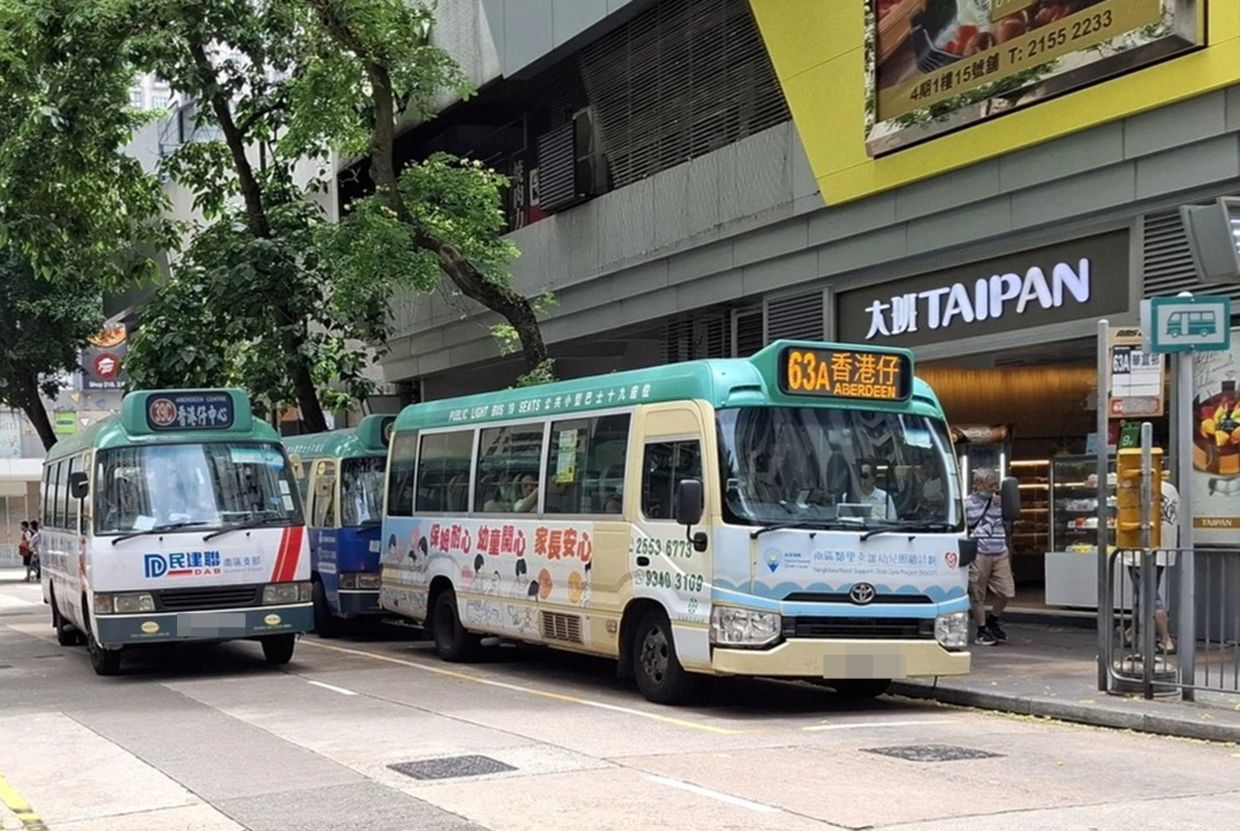
A 50-year-old woman faces a murder charge in Hong Kong after what began as an accidental collision between two passengers on a minibus descended into a lethal confrontation on the pavement below. The incident occurred on route 63A serving the Aberdeen Centre to Wah Fu (II) Estate area, when an ordinary commute transformed into tragedy on Tuesday night. Police received reports of the altercation at 10.30pm near a minibus stop outside Wah Chui House at Wah Fu (II) Estate in Aberdeen, and by the time officers arrived, a 53-year-old woman lay unconscious on the ground. She was rushed to Queen Mary Hospital in Pok Fu Lam but was pronounced dead at 11.22pm, marking what authorities would ultimately classify as a homicide rather than a common assault.
According to Senior Superintendent Hui Hong-kit, the assistant Western district commander for crime, the fatal chain of events began with a seemingly trivial misstep. The victim accidentally stepped on the suspect's foot as both prepared to exit the minibus, a minor transgression that might have passed unnoticed in ordinary circumstances. However, the suspect responded by stepping on the victim in return, transforming what could have been a moment of mutual embarrassment into an escalating confrontation. The two women, who had no prior acquaintance and no apparent history of conflict, began pushing and shoving each other while still aboard the vehicle, their dispute growing more heated with each exchange.
What made this incident particularly significant from a law enforcement perspective was the witnesses present yet unable to prevent tragedy. Multiple passengers and passers-by observed the fight unfold across the minibus interior and onto the pavement outside, yet none intervened during the several-minute-long altercation. This raises questions about the psychology of public violence in urban settings and the bystander effect, where the presence of witnesses can paradoxically make individuals less likely to take action. A 25-year-old man eventually called emergency services when the victim lost consciousness, but by that point irreversible harm had been inflicted.
The violence intensified once the two women exited the vehicle. According to police sources, the victim dragged the suspect out of the minibus door, and the situation quickly spiraled further. The suspect allegedly attempted to kick the victim while they were outside, and her agitation appeared to peak at this moment. She then pressed the victim forcefully onto the ground, positioned herself on the victim's abdomen, and applied sustained strangulation for what police described as two to three minutes. This prolonged asphyxiation, combined with the physical trauma of being thrown to the pavement, proved fatal. Medical examination revealed bruises around the victim's neck along with scratches on her hands and face, indicating a violent struggle.
Police apprehended the suspect at 10.42pm when she returned to the scene of the incident and acknowledged fighting with the victim. Her relatively quick return and admission suggest either a lack of awareness regarding the severity of her actions or possibly shock at what had transpired. The Western district crime squad took control of the investigation and reclassified the incident from a straightforward public brawl to a murder case, reflecting the fatal outcome and the apparent intent or recklessness demonstrated during the prolonged assault.
Background information revealed by investigators adds additional complexity to the case. The victim carried a history of mental illness, a factor that Superintendent Hui specifically mentioned during his briefing to the media. While it remains unclear whether this condition contributed to the initial confrontation or the victim's vulnerability during the assault, it contextualises the tragic loss. The fact that a person with known mental health challenges became involved in a physical altercation with a stranger highlights broader concerns about safety and support systems in public transportation environments.
The charge of murder carries significant weight in Hong Kong's legal system and reflects a finding by prosecutors that the suspect's actions went beyond simple assault. The decision to pursue a murder charge rather than lesser counts such as manslaughter indicates that authorities believe the evidence supports a finding of intentional killing or at minimum reckless conduct so extreme as to demonstrate a depraved indifference to human life. The suspect was scheduled to appear at Eastern Court on Friday morning to face the charge formally.
This incident underscores the unpredictability of violence and how minor social friction can escalate catastrophically in seconds when individuals fail to exercise restraint or de-escalation. In the context of Southeast Asian urban environments where minibuses and similar shared transport constitute essential public infrastructure serving millions daily, such incidents raise urgent questions about safety protocols, conflict resolution training for drivers, and the role of bystanders in preventing violence.
Investigators are continuing to appeal for additional information from witnesses, recognising that passengers and bystanders may possess crucial details that could illuminate the sequence of events and the mental state of those involved. The case will likely proceed through Hong Kong's courts over coming months, with the charge of murder suggesting that prosecutors are confident in their evidence and the legal basis for the serious allegation. The tragic death of the 53-year-old woman serves as a sobering reminder that seemingly minor interpersonal conflicts in public spaces can have irreversible consequences when aggression goes unchecked.

