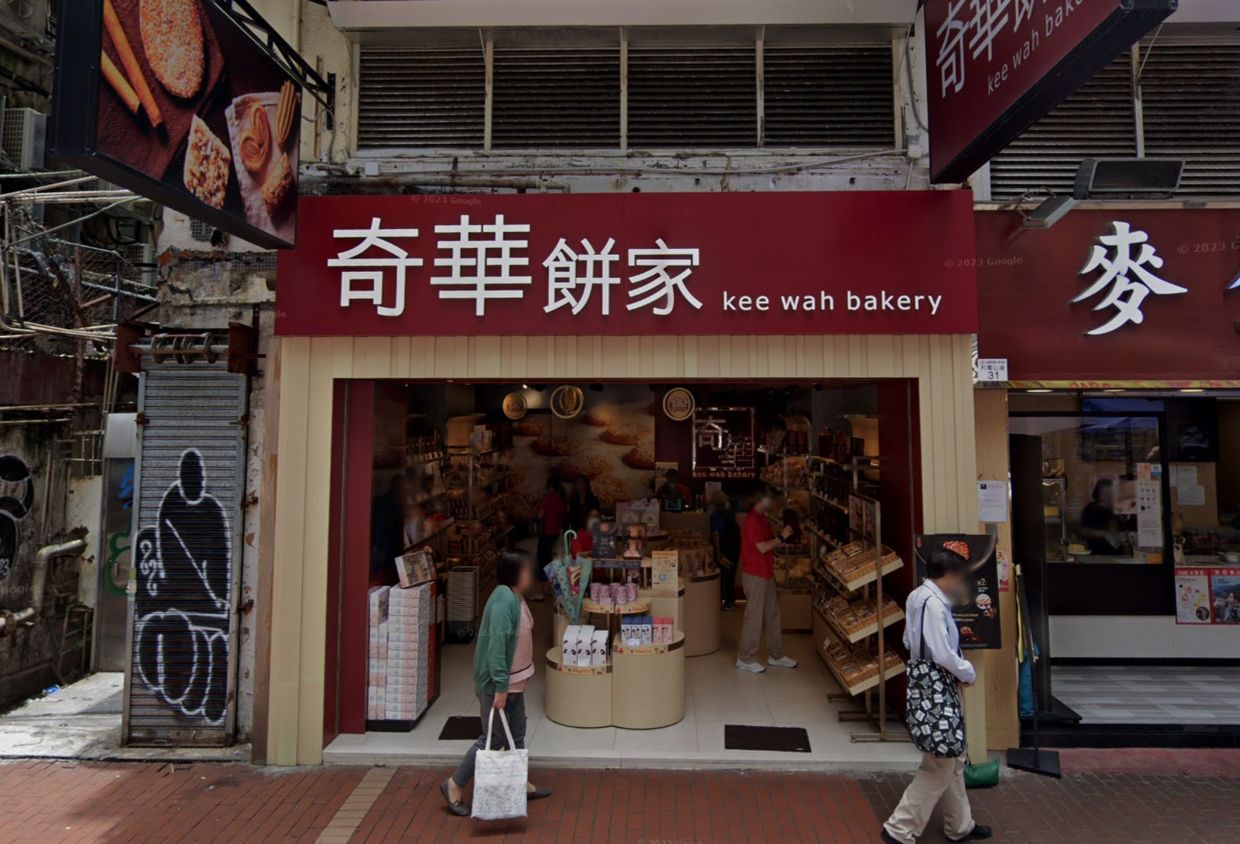
Kee Wah Bakery, the venerable Hong Kong establishment renowned for its Chinese and local pastries, has become the latest victim of a sophisticated ransomware attack targeting its internal systems. The company publicly disclosed the incident on Tuesday, nearly four days after discovering network malfunctions on Friday, triggering immediate scrutiny from Hong Kong's privacy authorities and raising fresh concerns about cybersecurity vulnerabilities affecting major retail and hospitality operators across Asia's financial hubs.
The ransomware assault infiltrated systems containing a repository of sensitive information spanning multiple stakeholder groups. Employee personal records, business partner details, customer information from the company's online store, and identification data linked to mobile app members all resided on the compromised network. The scope of the breach underscores how integrated modern retail operations have become, with digital infrastructure connecting operational staff, supply chain partners, e-commerce platforms, and consumer loyalty programmes into interconnected ecosystems that amplify vulnerability exposure.
Yet critical uncertainties remain. The company has been unable to definitively establish whether threat actors successfully exfiltrated any data before encryption or system lockdown occurred. This investigative gap is typical in ransomware cases during their initial phases—forensic analysis often requires weeks to determine what information criminals accessed, copied, or retain as leverage. Kee Wah Bakery's preliminary assessment acknowledges this reality, stating that the full extent of any breach remains unverified pending ongoing technical investigation.
The bakery has taken immediate remedial steps by engaging specialised cybersecurity firms to contain the threat, prevent further compromise, and restore system functionality. This response reflects growing recognition among enterprises that professional incident response is essential, as in-house teams lack the forensic tools and threat intelligence needed for sophisticated malware situations. The company is simultaneously undertaking a broader cybersecurity audit to identify underlying vulnerabilities that permitted initial penetration—a standard approach that often reveals inadequate employee training, unpatched legacy systems, or insufficient network segmentation.
A particularly significant detail is the company's explicit confirmation that customer payment and credit card information were not stored on the affected systems. This disclosure, while reassuring to payment-dependent constituencies, also highlights modern payment security protocols where transaction data is typically processed and held on segregated, more heavily fortified infrastructure complying with stringent payment card industry standards. Nevertheless, the exclusion of financial data does not diminish the sensitivity of personal information across other categories.
Communication transparency has emerged as a cornerstone of Kee Wah Bakery's incident response strategy. The company began proactively contacting affected employees, customers, and suppliers to inform them of the breach and recommend protective actions. This notification approach directly addresses regulatory expectations established by data protection authorities worldwide, including Hong Kong's Office of the Privacy Commissioner for Personal Data, which the bakery notified simultaneously with police on Sunday.
The privacy watchdog has commenced its own investigation, specifically requesting comprehensive details regarding the incident's scope and character. Officials seek clarity on the total number of individuals whose information may have been exposed and the precise categories of personal data involved. Such information proves essential for the regulator to assess violation severity, determine whether mandatory public notification thresholds have been triggered, and evaluate the bakery's compliance with the Personal Data Protection Ordinance. The watchdog's formal inquiry signals that Hong Kong authorities are treating the matter with appropriate seriousness rather than accepting corporate self-assessments at face value.
The incident arrives amid escalating ransomware targeting of Asian retail chains and hospitality operators. These sectors present attractive targets because they maintain extensive personal customer databases, operate across geographic boundaries, and often possess relatively less mature cybersecurity infrastructure compared to financial services. The targeting of Kee Wah Bakery, despite its iconic 86-year operational history and manufacturing sophistication, demonstrates that brand recognition and establishment longevity confer no inherent protection against modern digital threats. Even companies with substantial resources and mature operations require contemporary security practices to withstand coordinated attacks.
Kee Wah Bakery's stated commitment to comprehensive cybersecurity review and implementation of expert recommendations represents the expected institutional response to such breaches. However, translating commitment into sustained investment poses genuine challenges for many enterprises, particularly smaller operations. The bakery's main manufacturing facility in Tai Po and its retail footprint across Hong Kong necessitate resilient systems protecting both operational continuity and customer confidence. Any prolonged technical recovery could disrupt supply chains and damage the consumer relationships that drive business in competitive bakery and pastry markets.
For affected individuals, the company and authorities have advised heightened vigilance including resistance to unsolicited contact attempting to exploit the breach notification process itself—a common tactic where criminals impersonate official recovery communications—and proactive password changes across critical online accounts. These recommendations reflect cybersecurity best practices but also acknowledge the reality that data once compromised cannot be recalled, making prevention of downstream exploitation the only viable risk mitigation available to consumers.
The Kee Wah Bakery incident carries broader implications for Southeast Asian retail and hospitality enterprises operating across Hong Kong, Malaysia, Singapore, and other regional markets. As regulatory frameworks tighten and consumer awareness of data protection grows, companies face mounting pressure to demonstrate robust cybersecurity postures. For Malaysian businesses with operations or customer bases in Hong Kong, this case illustrates the regulatory scrutiny and reputational consequences following breach disclosure, underscoring the necessity of proactive security investment before incidents occur rather than reactive remediation afterward.

