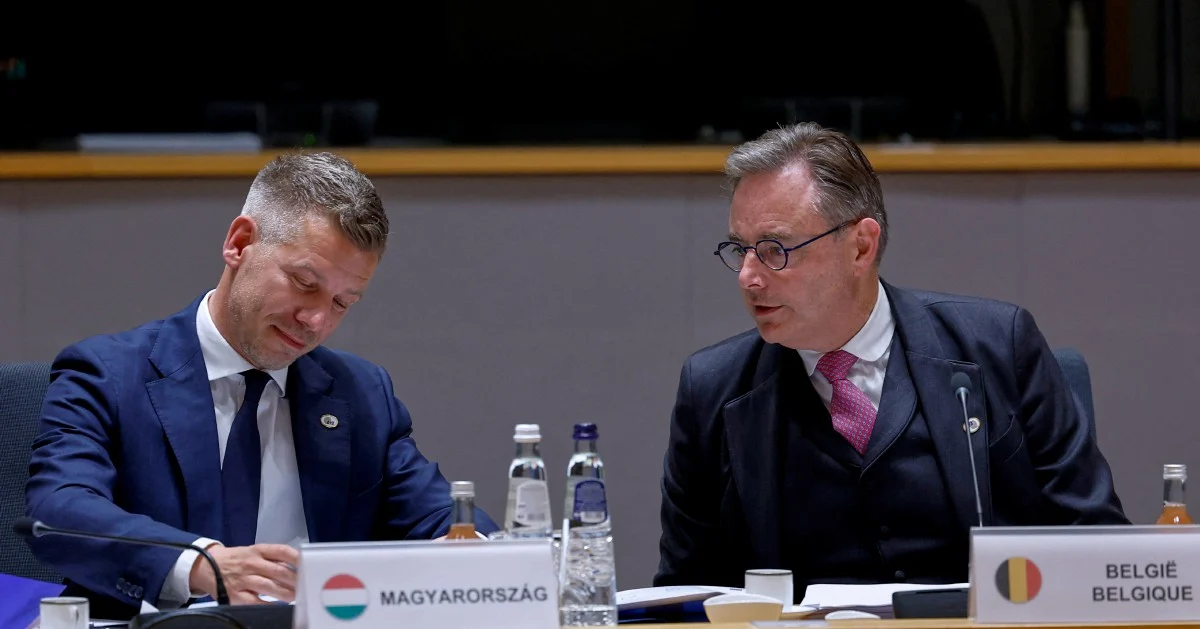
Hungary's parliament is set to enact a significant package of anti-corruption legislation on Tuesday, marking a dramatic shift in direction for a nation that has faced mounting international scrutiny over its democratic standards. The measures represent a cornerstone initiative for newly appointed Prime Minister Peter Magyar, who has signalled his administration's commitment to comprehensive institutional reforms designed to restore confidence among European Union partners and unlock substantial financial resources currently held in abeyance. This legislative move carries profound implications not only for Hungary's domestic governance but also for the broader political trajectory of Central Europe and Hungary's standing within the EU framework.
The withheld EU funds at stake represent a considerable financial interest for Budapest. The European Union has frozen billions of euros in cohesion funding and other support mechanisms, citing persistent concerns about judicial independence, transparency in public procurement, and protections for fundamental freedoms. The financial impact of these blockages has constrained Hungary's ability to fund infrastructure projects, support small businesses, and invest in social programmes. By advancing anti-corruption measures now, Magyar's government is explicitly acknowledging that restoring faith in Hungarian institutions is a prerequisite for accessing these resources, establishing a direct connection between governance reform and economic opportunity.
The substance of the legislative package remains significant for understanding Magyar's reform agenda. Anti-corruption frameworks typically encompass mechanisms for strengthening oversight bodies, enhancing transparency requirements for government contracts, establishing clearer conflict-of-interest rules for public officials, and improving whistleblower protections. Such measures require not merely enacting laws but ensuring functional implementation through adequate resourcing of oversight institutions and creating genuine political will to enforce standards. The credibility of Hungary's reform effort will ultimately depend on whether these legislative changes translate into tangible shifts in how power is exercised and resources are distributed within the state apparatus.
Magyar's ascension to the premiership itself signals a departure from the approach of his predecessor. The previous political establishment had resisted EU pressure on governance issues, viewing the complaints as external interference in Hungarian sovereignty. This confrontational stance, while resonating with certain domestic constituencies, came at considerable economic cost through the loss of development funds. Magyar's willingness to pursue anti-corruption measures reflects a strategic calculation that alignment with EU expectations offers better long-term prospects for national development than maintaining the prior posture. This represents a significant ideological and practical reorientation within Hungarian politics.
For Malaysia and other Southeast Asian nations, Hungary's experience offers instructive parallels regarding the relationship between governance standards and access to international financing mechanisms. Multilateral institutions increasingly condition funding on demonstrated commitments to transparency, anti-corruption measures, and institutional independence. Hungary's situation illustrates both the leverage these conditions represent and the potential costs of resisting them. Regional governments navigating their own relationships with international development partners may find relevant lessons in how Budapest is now attempting to reconcile sovereignty concerns with practical incentives for institutional reform.
The parliamentary vote scheduled for Tuesday will indicate the political feasibility of Magyar's agenda. Securing approval requires sufficient support among lawmakers who may harbour their own reservations about enforcement mechanisms that could constrain their political networks or restrict access to state resources. The margin of support will signal whether Magyar enjoys a broad mandate for transformation or whether implementation will face significant internal resistance. This legislative hurdle represents the first practical test of whether his reform rhetoric can translate into concrete political action.
The EU's response to Hungary's anti-corruption measures will be equally consequential. European officials have established credibility by actually withholding funds when governance standards falter; they cannot simply release frozen resources based on legislative promises without demonstrating that implementation is genuine. The EU will likely establish benchmarks and monitoring mechanisms to assess whether Hungary is executing these reforms in substance rather than merely performing compliance for external audiences. This extended verification process means that even successful parliamentary passage will mark merely the beginning of a longer accountability cycle.
Hungary's reform trajectory carries implications for EU cohesion more broadly. The union has positioned rule-of-law concerns as fundamental, refusing to accept that member states can operate with impunity regardless of internal governance standards. By pressing Hungary to enact meaningful anti-corruption measures and conditioning access to funds on demonstrated implementation, the EU is establishing precedents about what constitutes acceptable governance within its framework. However, this approach also generates friction with governments that view such pressure as unwarranted external direction over internal affairs.
The economic dimensions of this situation deserve emphasis. Billions of euros in frozen funding represent genuine developmental resources that could address infrastructure deficits, research and innovation capacity, and human capital investment. The opportunity cost of extended political confrontation with Brussels is measurable in foregone projects and constrained growth potential. This financial dimension concentrates minds in Budapest and provides tangible motivation for Magyar's reform campaign beyond abstract commitments to institutional improvement. For a Central European nation competing with other regional economies for investment and talent, access to EU development resources remains strategically important.
Magyar's reform initiative also reflects broader generational and ideological shifts within European centre-right politics. His approach suggests a recalibration toward institutional legitimacy and alignment with established European norms after years of confrontation. This positioning may resonate with voters fatigued by persistent conflicts with Brussels or convinced that institutional credibility is a precondition for attracting investment and maintaining social stability. The success or failure of his anti-corruption campaign will substantially influence how other governments across the region approach similar governance questions in coming years.

