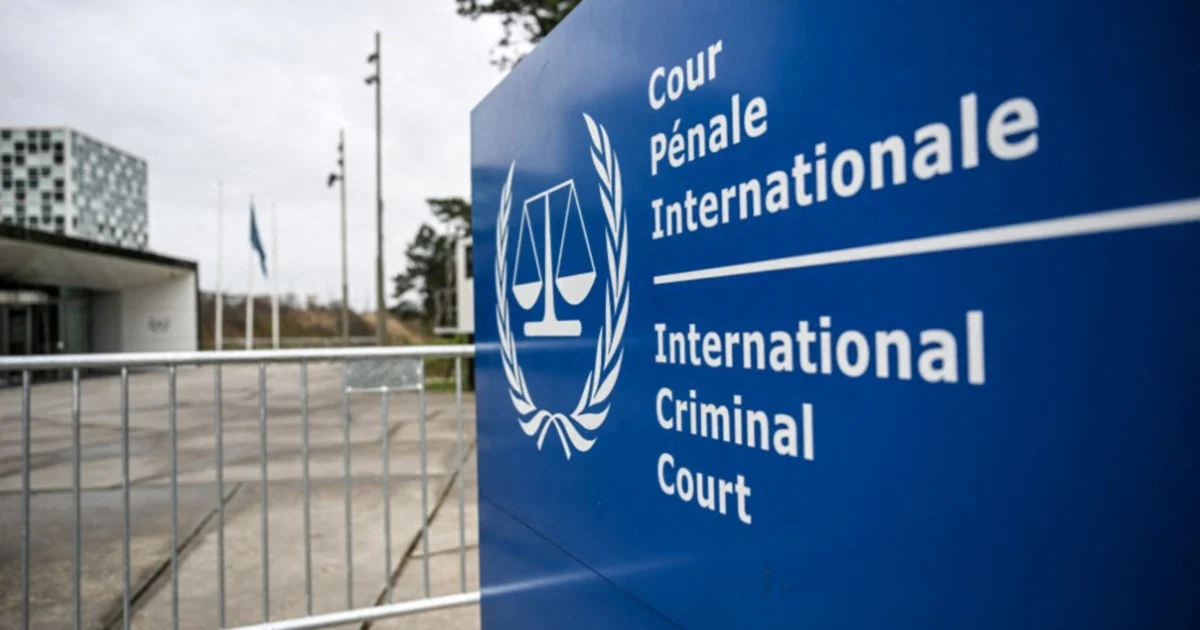
Three judges from the International Criminal Court have taken the extraordinary step of initiating legal proceedings against President Donald Trump and other high-ranking members of his administration, challenging the validity of sanctions imposed against them. The lawsuit, filed on Wednesday, marks a significant escalation in tensions between the US government and the global judicial institution, highlighting deepening divisions over international law and sovereign authority.
The sanctions targeting the ICC judges were implemented by Washington as part of a broader effort to pressure the international court. The judges contend that the measures violate established legal principles and exceed the constitutional and statutory limits of executive power. Their legal action represents a rare direct confrontation between judicial officials and a sitting American president, underscoring the contentious nature of recent US-ICC relations.
The core argument advanced by the judges centres on the characterisation of the sanctions as "draconian" in scope and application. This legal terminology suggests the judges view the restrictions as disproportionate to any legitimate policy objective and fundamentally at odds with international legal norms. The challenge reflects broader concerns within the international legal community about the use of unilateral sanctions as a tool to influence institutional behaviour.
For Southeast Asian observers, this dispute carries considerable significance given the region's complex relationship with international institutions. Several ASEAN nations maintain varying degrees of engagement with the ICC, while others remain suspicious of external pressure on domestic judicial matters. The lawsuit highlights how powerful states can leverage economic and political tools to shape international institutions according to their preferences, a dynamic with implications extending well beyond the Americas.
The Trump administration's approach to the ICC reflects a longstanding American scepticism toward international courts and multilateral institutions perceived as constraining US interests. Previous administrations have similarly expressed reservations about institutions that might hold American officials accountable, though Trump's sanctions represent a more aggressive and direct intervention in ICC operations.
The legal action by the judges signals confidence that American courts will intervene to protect against what they characterise as executive overreach. This optimism rests on constitutional principles that the judiciary traditionally safeguards against administrative actions deemed arbitrary or lacking proper legal foundation. The outcome of their case could establish important precedents regarding presidential authority over sanctions and international relations.
International law scholars are watching this case closely, as it touches upon fundamental questions about the enforceability of international institutions when confronted with powerful state opposition. The lawsuit potentially exposes gaps between international legal commitments and domestic legal constraints on executive action. Resolution of the case through American courts rather than international forums adds an additional layer of complexity to an already fraught situation.
The ICC judges' willingness to pursue litigation demonstrates their conviction that the sanctions lack legitimate legal grounding. By choosing to litigate rather than merely protest diplomatically, they are attempting to utilise American legal mechanisms against American policy decisions—a strategy that tests whether domestic law can serve as a check on executive conduct in the international sphere.
For Malaysia and other Southeast Asian countries, this dispute underscores the importance of maintaining institutional independence while navigating great power politics. Nations in the region must consider how to preserve the integrity of international bodies without becoming entangled in conflicts between major powers and global institutions. The judges' action illustrates both the vulnerability and potential resilience of international judicial systems when facing pressure from economically and militarily dominant states.
The lawsuit's progression through American courts will likely generate significant legal and political commentary regarding the proper scope of executive sanctions authority. Depending on judicial interpretation of relevant statutes and constitutional provisions, the case could either constrain or implicitly validate the administration's approach to penalising ICC officials and institutions deemed hostile to American interests.
Beyond the immediate legal questions, the case reflects broader friction over international accountability mechanisms. The ICC's investigations into situations of concern to various powerful nations have consistently generated resistance from states unwilling to submit to external scrutiny. This latest confrontation between judges and an American administration exemplifies the persistent tensions inherent in creating global institutions with genuine investigative and prosecutorial authority.
The filing also draws attention to the practical vulnerabilities facing international officials. Judges working for institutions that lack independent enforcement mechanisms remain dependent on cooperation from powerful states. Sanctions against such individuals can severely restrict their ability to travel, conduct business, and maintain ordinary professional relationships, effectively undermining their capacity to perform judicial functions across borders.
Moving forward, the outcome of this litigation will influence how international institutions navigate relationships with hostile major powers and how American courts balance respect for executive prerogatives in foreign policy against constitutional constraints on administrative action. The case ultimately represents a crucial test of whether international judicial independence can survive sustained pressure from the world's most powerful nation.

