%22%2F%3E%3C%2Fpattern%3E%3C%2Fdefs%3E%3Crect%20width%3D%22100%25%22%20height%3D%22100%25%22%20fill%3D%22url(%23ph3q7ivg)%22%2F%3E%3Crect%20width%3D%22100%25%22%20height%3D%22100%25%22%20fill%3D%22url(%23ph3q7ivp)%22%2F%3E%3Ctext%20x%3D%2250%25%22%20y%3D%2250%25%22%20text-anchor%3D%22middle%22%20dominant-baseline%3D%22central%22%20fill%3D%22rgba(255%2C255%2C255%2C0.95)%22%20font-family%3D%22Georgia%2C%20'Times%20New%20Roman'%2C%20serif%22%20font-weight%3D%22700%22%20font-size%3D%22320%22%20letter-spacing%3D%22-0.02em%22%3EIIUM%3C%2Ftext%3E%3C%2Fsvg%3E)
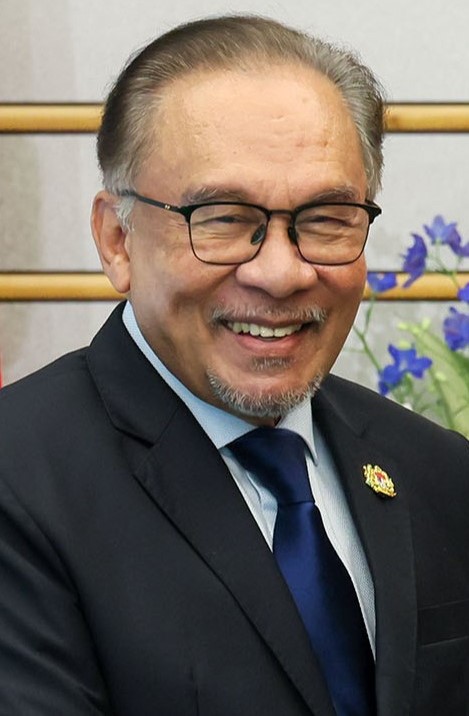
International Islamic University Malaysia's rector, Prof Emeritus Datuk Dr Osman Bakar, has been named the National Tokoh Maal Hijrah for 2026 at the country's official Maal Hijrah celebration held at Putra Mosque in Putrajaya on June 17. The prestigious honour recognises his distinguished service in advancing Islamic education and scholarship within Malaysia and the broader Islamic world. The award ceremony, attended by senior government officials including Deputy Prime Minister Datuk Seri Fadillah Yusof, underscores the significance placed on celebrating exemplary figures within the Islamic community during this important religious observance.
Alongside the national recognition, the celebration also bestowed the International Tokoh Maal Hijrah award upon Dr Ahmad Al-Raysuni, a prominent Islamic scholar from Morocco. The dual honouring reflects Malaysia's positioning as a bridge between domestic Islamic leadership and the wider Muslim world, emphasising the country's role in fostering intellectual discourse across Islamic civilisations. Both recipients were presented with monetary prizes, commemorative trophies, and certificates acknowledging their contributions to the Islamic ummah and their respective fields of excellence.
The awards were formally presented by Sultan Nazrin Shah, the Sultan of Perak, whose presence lent significant ceremonial weight to the proceedings. This involvement of Malaysia's royal institution in recognising Islamic scholarship demonstrates the enduring connection between the monarchy and religious affairs in the country's constitutional framework. The Sultan's role in honouring these figures reflects the traditional custodianship of Islam that Malaysia's rulers have maintained throughout the nation's modern history.
Prof Emeritus Datuk Dr Osman Bakar's appointment as rector of IIUM has been instrumental in shaping the institution's trajectory as a leading centre for Islamic higher learning in Southeast Asia. His academic credentials and intellectual contributions have positioned IIUM as a platform for interfaith dialogue and the dissemination of Islamic knowledge grounded in contemporary relevance. The recognition through the Tokoh Maal Hijrah award validates his approach to bridging traditional Islamic scholarship with modern educational frameworks that prepare graduates for meaningful participation in an increasingly complex global society.
The 1448H/2026 Maal Hijrah commemoration carried the thematic message "MADANI Dihayati, Ummah Diberkati," which translates roughly to "MADANI practised, the ummah blessed." This theme anchors the celebration to Malaysia's broader MADANI framework, emphasising core principles of compassion, unity, and collective well-being. The selection of this theme demonstrates governmental intent to connect religious observances with national development aspirations, positioning Islamic values as foundational to the country's governance and social cohesion objectives.
Maal Hijrah itself marks the Islamic New Year and carries profound historical significance as a commemoration of Prophet Muhammad's migration (hijrah) from Mecca to Medina. For Muslim-majority Malaysia, the annual Maal Hijrah celebration functions as both a religious observance and a moment for national reflection on Islamic principles and their application within society. The national-level ceremony in Putrajaya, Malaysia's administrative capital, signals the government's recognition of the occasion's importance to the nation's identity and values structure.
The presence of Minister in the Prime Minister's Department (Religious Affairs) Dr Zulkifli Hasan alongside the Deputy Prime Minister indicated the celebration's integrated positioning within Malaysia's governance hierarchy. Religious affairs in Malaysia operate not as peripheral concerns but as central to state functions, reflecting the constitutional recognition of Islam's special position in the federal structure. This administrative arrangement permits coordinated approaches to promoting Islamic values and ensuring their resonance within government institutions and public discourse.
Osman Bakar's trajectory within Malaysian Islamic academia spans decades of scholarship addressing the intersection of Islamic civilization, science, and philosophy. His work has consistently attempted to demonstrate Islam's historical and ongoing contributions to human knowledge while challenging Western-centric narratives about the relationship between religious faith and scientific inquiry. Through IIUM, he has championed educational approaches that produce graduates equipped with both grounded Islamic understanding and contemporary professional competencies, addressing longstanding concerns about the perceived divide between religious and secular education in Muslim-majority contexts.
The international dimension of this year's awards, through the recognition of Dr Ahmad Al-Raysuni from Morocco, reflects Malaysia's positioning within broader Islamic networks. Morocco, with its own distinguished Islamic scholarly traditions and ongoing religious influence across North Africa and the Mediterranean, represents a natural intellectual partner for Malaysia. This acknowledgment of cross-regional Islamic excellence reinforces Malaysia's self-perception as a cosmopolitan Islamic nation engaged with global Muslim intellectual currents rather than a parochial domestic religious actor.
For Malaysia's higher education sector, the honouring of an institutional rector carries implications beyond ceremonial recognition. It signals governmental validation of IIUM's mission and its rector's stewardship, potentially influencing resource allocation decisions and institutional autonomy considerations. Universities in Malaysia operate within frameworks that require periodic alignment with national development objectives, and recognition through such prestigious awards can strengthen an institution's positioning in negotiations with federal funding bodies and in attracting internationally talented faculty and students.
The awards programme also reflects evolving discussions within Malaysian society about how to celebrate Islamic leadership in an era of rapid social change and religious diversity. Rather than emphasising purely devotional or ritualistic contributions, the recognition of Osman Bakar for his intellectual and educational leadership suggests a broadening conception of what constitutes meaningful Islamic service. This orientation acknowledges that contemporary Islamic societies require not only traditional religious guides but also scholar-leaders capable of articulating faith's relevance to pressing contemporary challenges including educational reform, interfaith relations, and knowledge production.
Looking forward, the 2026 Tokoh Maal Hijrah awards demonstrate Malaysia's commitment to celebrating and elevating Islamic intellectual leadership as the nation navigates complex questions about religious education, institutional governance, and the role of Islamic values in plural societies. The recognition afforded to both domestic and international scholars suggests Malaysian policymakers view Islamic excellence not as defensive or insular but as contributing meaningfully to global civilisational dialogues and human knowledge.