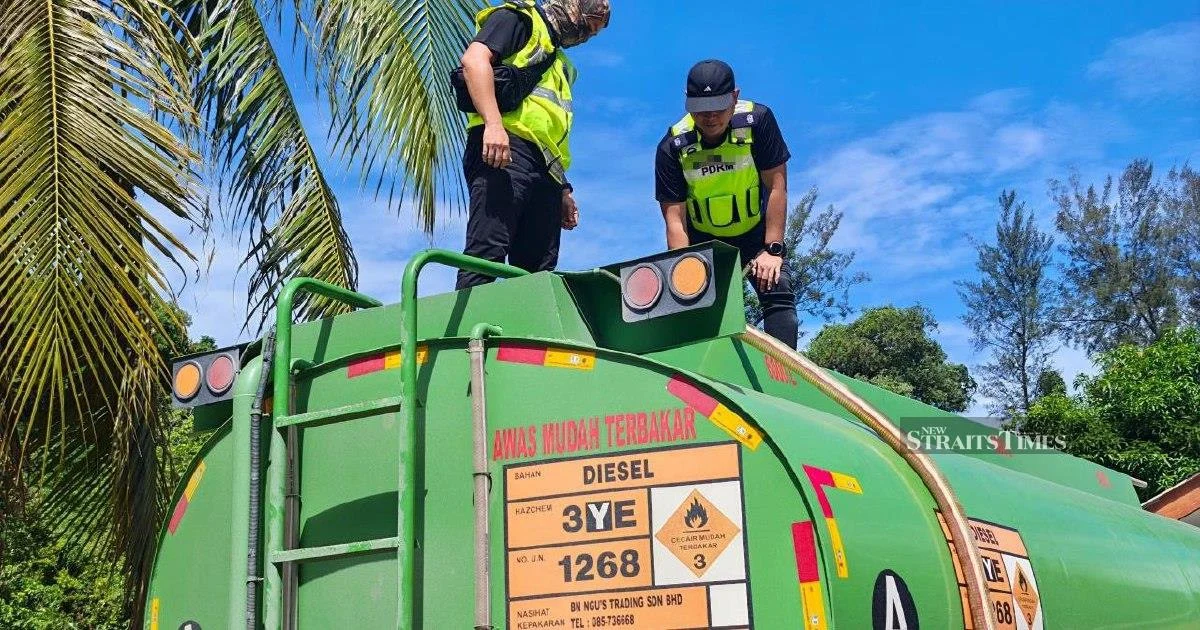
Enforcement authorities in Miri have uncovered and shut down a clandestine subsidised diesel operation, marking a significant blow against fuel diversion networks that have long plagued Malaysia's fuel subsidy system. The operation, concealed within a residential bungalow in the Tanjung Lobang area, was dismantled following a coordinated enforcement action that resulted in the seizure of 15,000 litres of diverted fuel and the arrest of four men suspected of running the scheme.
The discovery of such a substantial fuel cache within a residential property underscores the increasingly sophisticated methods employed by syndicates seeking to exploit Malaysia's subsidised fuel structure. These criminal networks operate by diverting fuel intended for domestic consumption to black markets, either for sale at inflated prices or for illegal export to neighbouring countries where fuel costs are substantially higher. The hidden depot setup—utilising what appeared to be an ordinary family residence—demonstrates how perpetrators attempt to evade detection by authorities while maintaining high-volume operations.
Subsidised diesel remains a particularly attractive target for diversion syndicates because of the significant price differential between domestic controlled prices and international market rates. Malaysian consumers benefit from government fuel subsidies designed to manage the cost of living, but this protection creates profitable opportunities for criminal organisations that can extract fuel from legitimate supply chains. Each tonne of diverted fuel represents lost revenue for the government and distorts market dynamics across the region, as illegally exported fuel undercuts legitimate fuel retailers in neighbouring jurisdictions.
The four men detained in connection with the operation are being investigated to establish their individual roles within the syndicate hierarchy. Enforcement agencies typically pursue lines of inquiry ranging from the actual operators managing the depot, to suppliers providing access to fuel stocks, to distributors and end-users purchasing the diverted product. Understanding the network structure helps authorities identify and disrupt the broader ecosystem that sustains fuel diversion, rather than simply addressing the visible operation.
Tanjung Lobang's location in Sarawak makes it a strategic area for fuel diversion activities. The state's proximity to international borders and established maritime trade routes creates natural vulnerabilities in fuel security. Coastal communities and port areas have historically been identified as high-risk zones where illicit fuel operations cluster, taking advantage of transshipment opportunities and reduced regulatory oversight in certain locations.
The scale of the seizure—15,000 litres represents several days of operation at an industrial scale—indicates this was no small-time enterprise. Recovery of such substantial quantities suggests the operation may have been supplied through compromised legitimate distribution networks, possibly involving collusion from personnel within fuel supply companies or retail outlets. This dimension of the investigation typically receives intense scrutiny, as identifying insider involvement can help authorities strengthen security protocols across the entire supply chain.
Fuel subsidy fraud imposes measurable costs on Malaysia's economy. Beyond direct revenue loss, diversion syndicates consume government resources devoted to enforcement, investigation, and prosecution. The ripple effects extend to inflation control efforts, as fuel availability constraints can affect transport costs and ultimately consumer prices for goods and services. For Malaysian households already managing inflationary pressures, the consequences of systematic fuel diversion ultimately diminish the intended benefit of subsidy protections.
Regional cooperation remains essential in combating fuel diversion, given the cross-border nature of these operations. Fuel smuggled from Malaysia frequently targets markets in Indonesia, the Philippines, and Brunei, where price controls are either absent or less generous than Malaysia's regime. Intelligence sharing between customs authorities, maritime enforcement agencies, and intelligence bodies across Southeast Asia can help identify trafficking patterns and intercept shipments before they reach illegal markets.
The arrest and seizure at Tanjung Lobang represents just one enforcement success within a broader pattern of ongoing operations against fuel diversion. Authorities conduct regular raids and monitoring activities, though the persistence of these syndicates suggests the profit margins and operational flexibility of illegal fuel networks continue to outpace enforcement capacity in certain areas. Success requires sustained pressure rather than isolated victories.
Looking forward, the four detained men will face prosecution under relevant statutes governing fuel smuggling, subsidy fraud, and potentially money laundering if financial investigations reveal significant illicit proceeds. Outcomes of such cases influence the cost-benefit calculus for potential syndicate members considering entry into the trade. Deterrence through credible prosecution and meaningful penalties remains the enforcement strategy most likely to discourage participation in these activities.
The uncovering of this operation reinforces ongoing calls for enhanced border control measures, improved fuel distribution security, and technological solutions that create greater transparency in fuel supply chains. Industry participants and government agencies continue exploring advanced tracking systems and verification mechanisms that could reduce diversion opportunities while maintaining legitimate operational efficiency.