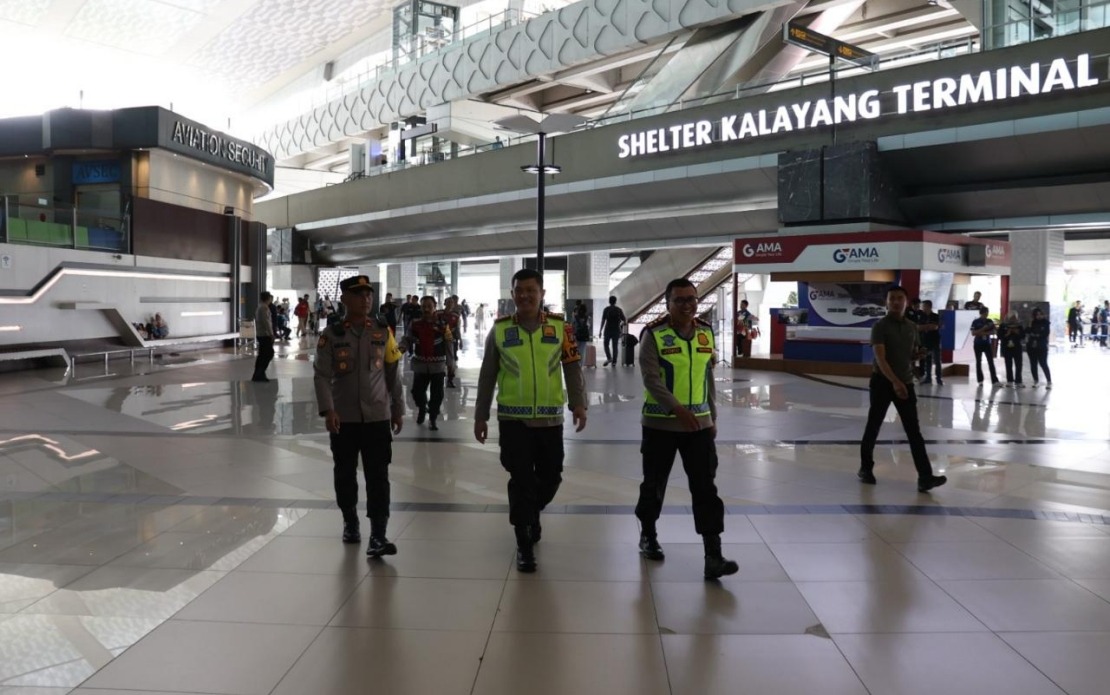
Indonesian Customs and Excise authorities have instituted tighter baggage inspection protocols at Soekarno-Hatta International Airport in response to the detention of a Malaysian pilot accused of attempting to bring narcotics into the country. The measures represent a significant shift in security procedures at Southeast Asia's busiest aviation hub, signalling growing concerns about the exploitation of crew privileges by drug trafficking networks operating across the region.
Hengky Tomuan Parlindungan Aritonang, head of the main customs office at Soekarno-Hatta, outlined the security overhaul in remarks on Saturday, emphasising that airport authorities would now conduct substantially more frequent random inspections targeting both pilots and cabin crew members across international and domestic carrier operations. While the airport maintains its dedicated baggage processing lane for flight personnel—a convenience intended to expedite crew movements through the airport—this facility will henceforth be subject to enhanced scrutiny.
The 39-year-old Malaysian pilot was apprehended on July 29 after customs officers discovered approximately 25 kilograms of ecstasy concealed beneath clothing inside a suitcase that bore an official crew baggage claim tag. The narcotics seized were estimated to have a street value of around Rp60 billion, equivalent to roughly RM13.51 million. The case underscores how increasingly sophisticated smuggling operations have begun targeting the structural vulnerabilities inherent in expedited crew processing systems that exist at major international airports.
Investigations revealed that the suspect tested positive for multiple controlled substances, including MDMA, methamphetamine, and cocaine, indicating involvement in broader patterns of drug use beyond the smuggling incident itself. Authorities disclosed that this individual had a history of previous narcotics smuggling operations, suggesting a recidivist network operator rather than a first-time opportunist. The discovery prompted immediate reassessment of how personnel with crew status are monitored and processed through customs checkpoints.
According to preliminary investigation findings, the pilot had been promised compensation of RM50,000, or approximately Rp220 million, for executing this particular smuggling assignment. This payment structure indicates the involvement of an organised syndicate with access to substantial financial resources and the logistical capacity to coordinate movements of bulk narcotics across international borders. Authorities continue active investigation into identifying and locating the alleged criminal masterminds orchestrating these operations.
The incident prompted Aritonang to acknowledge that while providing streamlined processing for legitimate crew members remains an operational necessity and institutional obligation, security cannot be compromised in the pursuit of convenience. The enhanced random inspection programme represents an attempt to strike this balance—maintaining the dedicated crew lane infrastructure while substantially increasing the probability that contraband will be detected during passage through checkpoint facilities.
Remarkably, Indonesian officials clarified that the revised protocols would focus exclusively on intensified baggage examination rather than implementing mandatory drug testing regimens for crew members. This distinction suggests a deliberate policy choice to avoid procedures that might be perceived as discriminatory or that could generate friction with international airline operators and aviation labour organisations. The emphasis on baggage screening aligns with conventional customs practice and avoids the jurisdictional and diplomatic complications that mandatory physiological testing might entail.
The case carries significant implications for Malaysian aviation personnel and regional air transport more broadly. Flight crews traversing Indonesian airspace have long benefited from accelerated processing arrangements designed to minimise turnaround times and operational disruptions. However, the revelation that such systems can be systematically exploited by trafficking networks will inevitably result in more intrusive oversight, potentially extending processing times and complicating crew logistics for Malaysian carriers and others operating from Kuala Lumpur International Airport and other regional hubs.
From a regulatory perspective, the incident exposes gaps in crew vetting procedures that transcend national borders. Airlines themselves may now face pressure to implement additional background screening and periodic security assessments for their personnel, particularly pilots and senior cabin crew who exercise greater autonomy in baggage handling and checkpoint navigation. The ramifications will likely extend beyond Indonesia as other Southeast Asian aviation authorities review their own crew management protocols.
The smuggling attempt also highlights the competitive pressures driving individuals with legitimate access to international transportation networks toward involvement in illicit activities. A pilot's salary, while respectable, may be insufficient to resist the financial incentives offered by organised crime syndicates seeking to exploit professional credentials and legitimate airport access. This structural vulnerability—whereby economic disparities create recruitment opportunities for criminal organisations—remains a persistent challenge across the region's aviation sector.
Moving forward, enhanced scrutiny at Soekarno-Hatta will likely establish precedents for other major airports across Indonesia and the broader Southeast Asian region. The customs authority's commitment to maintaining accessible crew lanes while implementing stricter random inspections represents a pragmatic middle ground, though the effectiveness of such measures will depend substantially on consistent implementation and adequate resourcing of inspection personnel. The case demonstrates that even minor breaches in security protocols can carry enormous consequences, given the quantities of narcotics at stake and the financial incentives motivating trafficking organisations.

