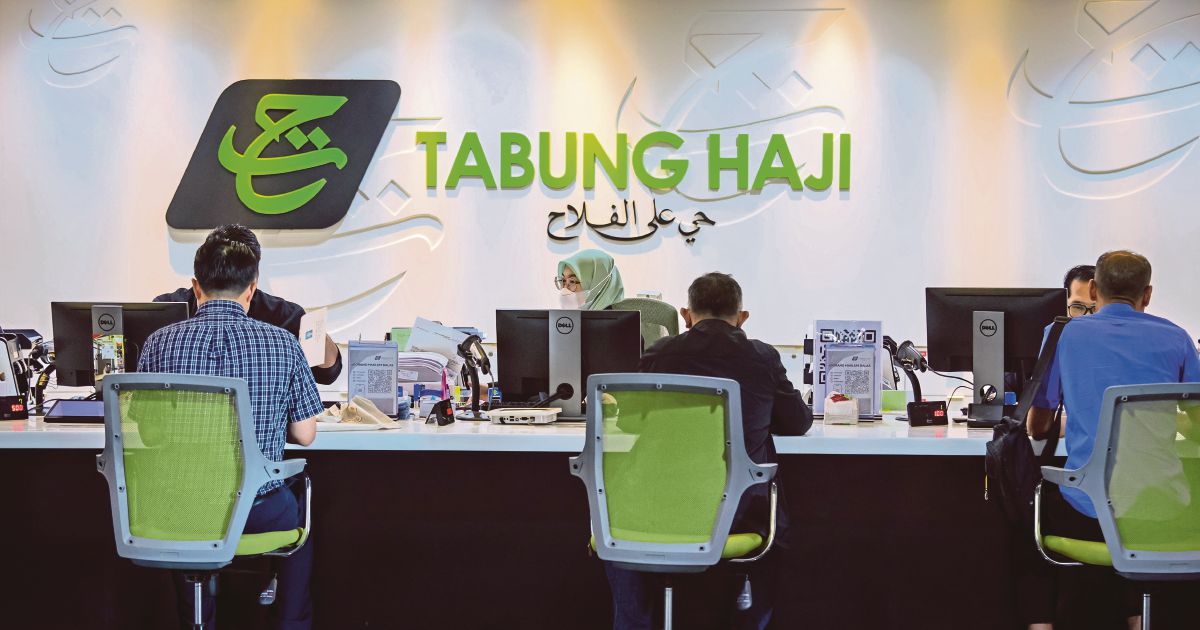
Transparency advocates and anti-corruption organisations have raised serious questions about the Malaysian Anti-Corruption Commission's handling of the Tabung Haji case, specifically pointing to what they view as an extended delay in initiating formal investigations against officers at the pilgrimage fund. The watchdogs contend that the MACC possessed credible information and reasonable justification to commence probing much earlier than it ultimately did, raising concerns about operational effectiveness and institutional responsiveness to potential wrongdoing affecting one of Malaysia's largest social institutions.
Tabung Haji operates as a critical financial intermediary for Malaysian Muslims undertaking the Hajj pilgrimage, managing substantial sums on behalf of hundreds of thousands of account holders. The fund's systemic importance means that any governance failures or misappropriation directly impacts ordinary Malaysians' savings and pilgrimage aspirations. When irregularities emerged, the delayed investigatory response by the country's principal anti-graft agency became a focal point for examining how well Malaysia's anti-corruption machinery functions when institutional reputation or political sensitivity may factor into enforcement decisions.
Civil society organisations have documented their concerns through public statements and submissions to relevant parliamentary committees. These groups emphasise that early detection and swift action represent fundamental principles in effective corruption prevention. When law enforcement agencies possess credible indicators of misconduct—whether through complaint lodgement, preliminary evidence gathering, or referrals from other authorities—prompt investigation serves multiple purposes: it protects public assets, signals institutional zero-tolerance for malfeasance, and preserves institutional integrity by acting decisively rather than reactively.
The timing question carries particular resonance in Malaysia's contemporary anti-corruption landscape. Following high-profile cases from previous years that involved substantial institutional failures and political complications, public confidence in anti-corruption enforcement has emerged as a measurable concern. Citizens increasingly scrutinise whether investigations proceed with consistent urgency regardless of the accused individuals' standing or institutional affiliation. Extended delays in moving from suspicion to action feed perceptions that enforcement may reflect institutional hierarchies or political considerations rather than evidence-based decision-making.
For Tabung Haji specifically, investigatory delays compound accountability challenges. Officers potentially implicated in wrongdoing remain in operational positions longer, theoretically capable of obstructing inquiries or transferring assets. The fund's beneficiaries—mostly ordinary Malaysians saving for religious obligations—become increasingly anxious about the security of their contributions during extended gaps between initial concerns and formal investigation commencement. This uncertainty damages not only the fund's reputation but also public confidence in government-linked institutions more broadly.
The watchdogs' intervention reflects Malaysia's evolving civil society engagement with anti-corruption policy. Rather than passively accepting official timelines, transparency advocates increasingly demand public explanations and institutional accountability from enforcement agencies themselves. This represents a healthy democratic development, as it establishes that anti-corruption bodies operate within public scrutiny and must justify their operational decisions, not merely their enforcement outcomes.
From an institutional perspective, the MACC's response to such criticism will likely influence broader public perception of its independence and professionalism. If the commission can articulate legitimate operational or legal reasons for the investigatory timeline—such as the need to gather corroborating evidence before proceeding, institutional resource constraints, or jurisdictional complications—transparent communication of these factors would strengthen public understanding. Conversely, if the delay reflects administrative oversight or institutional hesitation, acknowledging this and implementing corrective procedures would demonstrate commitment to continuous improvement in performance standards.
The Tabung Haji case also highlights broader questions about regulatory oversight of government-linked entities in Malaysia. These institutions manage public or semi-public funds yet sometimes operate with limited transparency and external scrutiny. Enhanced coordination between anti-corruption authorities and institutional regulators might identify concerns more rapidly, enabling swifter investigatory responses when irregularities emerge. Malaysia could benefit from examining mechanisms that other regional jurisdictions have implemented to streamline communication between oversight bodies.
For Malaysian observers, this episode underscores that institutional reputation—whether of the MACC or Tabung Haji itself—ultimately depends on demonstrable commitment to accountability and timely action. Citizens increasingly expect government agencies to function with private-sector efficiency standards, particularly regarding investigation timelines. Meeting such expectations requires resource allocation, institutional prioritisation, and demonstrated responsiveness to credible concerns regardless of which government entity faces scrutiny.
The watchdogs' questioning also reflects Malaysia's maturing democratic maturity, where civil society increasingly holds public institutions accountable through constructive rather than merely adversarial engagement. Rather than awaiting electoral cycles to judge institutional performance, citizens now actively demand real-time explanations and operational transparency. This represents healthy institutional pressure that, if responded to constructively by authorities, can strengthen rather than undermine public confidence in anti-corruption frameworks.
Moving forward, the MACC's approach to such public criticism will set important precedent. Institutions demonstrating willingness to explain delays, acknowledge areas for improvement, and implement systemic reforms typically emerge with enhanced rather than diminished credibility. For Tabung Haji specifically, thorough investigation paired with comprehensive governance restructuring offers the opportunity to restore public confidence in an institution serving millions of ordinary Malaysians' most significant financial and spiritual commitment.

