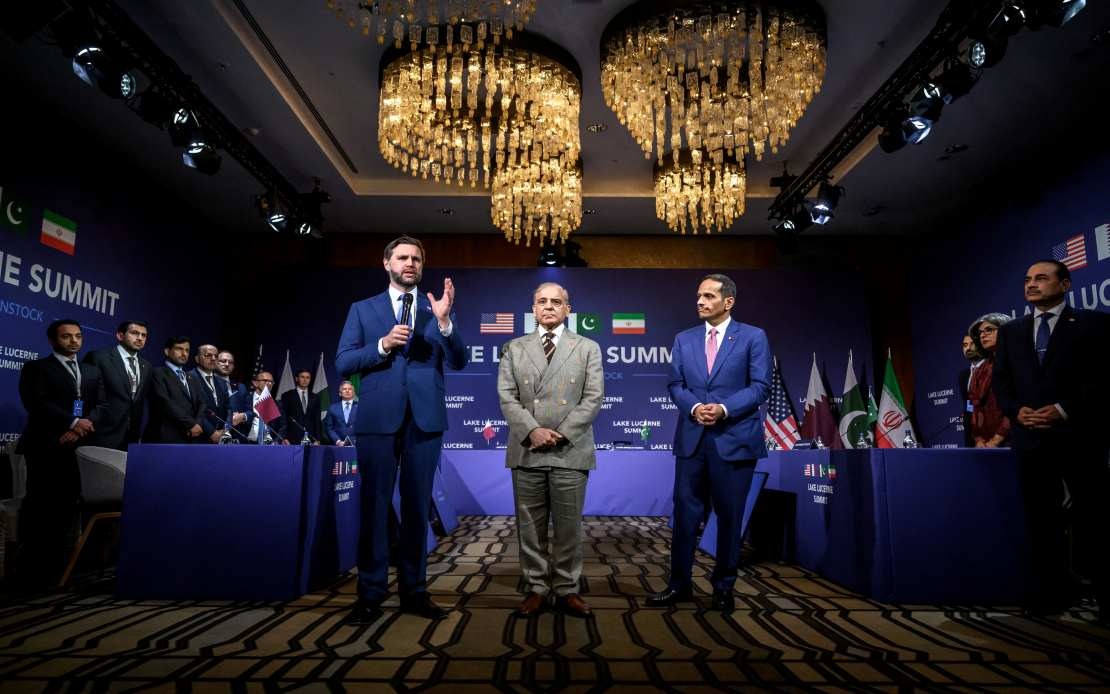
The opening round of diplomatic negotiations between Iran and the United States has concluded in Switzerland following a brief initial session, according to reports from Iran's semi-official news outlets on Sunday. The talks, which brought together representatives from both nations alongside mediators from Qatar and Pakistan, represent a significant step toward defusing tensions that have dominated regional affairs in recent months. The meeting was suspended after roughly 80 minutes to permit each delegation to hold internal consultations on the proceedings, though neither side has yet disclosed details about the anticipated timeline for resuming discussions.
The negotiating framework emerged following a memorandum of understanding signed on Wednesday, which outlines an interim agreement designed to address the escalating conflict affecting West Asia and resolve longstanding disputes over shipping lanes through the strategically vital Strait of Hormuz. This accord represents the culmination of behind-the-scenes diplomatic efforts and signals a potential shift toward resolving one of the region's most intractable disputes through dialogue rather than continued confrontation.
The US delegation is being led by Vice President JD Vance, whose participation underscores Washington's commitment to achieving a negotiated settlement. On the Iranian side, the negotiating team is headed by Parliament Speaker Mohammad Bagher Qalibaf and Foreign Minister Abbas Araghchi, reflecting the significant political weight Tehran has assigned to these discussions. Pakistan's mediation role throughout these negotiations highlights the broader regional interest in achieving stability, with Islamabad serving as a crucial bridge-builder between the two nations.
The selection of Switzerland as the venue carries symbolic weight, as the country has historically provided neutral ground for sensitive international negotiations. The Bürgenstock resort area, where talks are being conducted, offers the kind of controlled environment that allows delegations to focus on substantive matters while maintaining the confidentiality necessary for productive dialogue on contested issues. This choice reflects a deliberate strategy to create conditions conducive to breakthrough negotiations.
The interim agreement itself represents a critical juncture in addressing multiple dimensions of Iran-US tensions that have accumulated over years of hostility. Beyond the immediate focus on implementing specific terms, these talks touch upon broader questions of regional security architecture, economic sanctions regimes, and the resumption of normalized diplomatic relations. For Malaysia and other Southeast Asian nations, the outcome carries implications for global energy markets, given the centrality of the Strait of Hormuz to international oil commerce.
Qatar's participation as a mediator builds upon its established role in facilitating dialogue between parties in regional disputes. The Gulf state has invested considerable diplomatic capital in bringing these adversaries to the negotiating table, recognizing that prolonged conflict threatens regional stability and economic prosperity. Pakistan's involvement similarly reflects its vested interest in preventing further escalation in the broader Middle East region, which could have consequences extending into South Asia.
The limited duration of the initial session and the emphasis on internal consultations suggest that delegations are carefully managing expectations and proceeding methodically through complex substantive matters. Rather than attempting to achieve breakthroughs in the opening round, both sides appear focused on establishing the procedural foundations and clarifying positions before advancing toward deeper negotiations on contentious issues.
For Malaysian observers and policymakers, these developments merit close attention given their potential to reshape the geopolitical landscape affecting trade flows and energy security. Any breakthrough could ease global oil markets and reduce risks of further escalation, while conversely, a breakdown in talks would likely intensify existing uncertainties. The memorandum of understanding that initiated this round of talks already represents movement from previous stalemates, though the genuinely difficult work of translating agreement in principle into concrete implementation arrangements remains ahead.
The participation of Qatar and Pakistan as mediators rather than principals demonstrates the multilateral character of efforts to resolve this dispute. This approach contrasts with earlier periods when bilateral channels alone dominated discussions, suggesting all parties recognize the value of structured third-party facilitation in managing inherent mistrust and facilitating communication. The next round of talks will likely reveal whether the initial opening can be sustained or whether fundamental disagreements will resurface as negotiations address implementation details.

